
Being Nigerian means living in a condition of perpetual, radical change. It is a civilisation where “managing” is an art form and hope is repeatedly reduced; it is a life lived between the extremes of extraordinary delight and unfathomable resilience.
However, there is a deeper, more complex layer of stories that truly defines us, hidden behind the colourful weddings and the global Afrobeats conquest.
Our identity isn’t just found in our triumphs; it is forged in the fires of our shared struggles. It is found in the quiet grief of the Niger Delta, the frantic, misguided allegations of a mob in Aluu, and the unified, pain-laced anthem of a generation at a toll gate.
These moments represent the breakdown of systems, the cost of silence, and the sudden, realization of our own power.
In this article, we revisit 10 popular stories that have shaped the modern Nigerian. These narratives don’t just recount history; they explain why we move the way we do, why we protect what we love, and what it truly costs to call this land home. From the heartbreak of injustice to the stubborn survival of the human spirit, these are the stories that define the true meaning of being Nigerian today.
Join our WhatsApp community
#EndSars
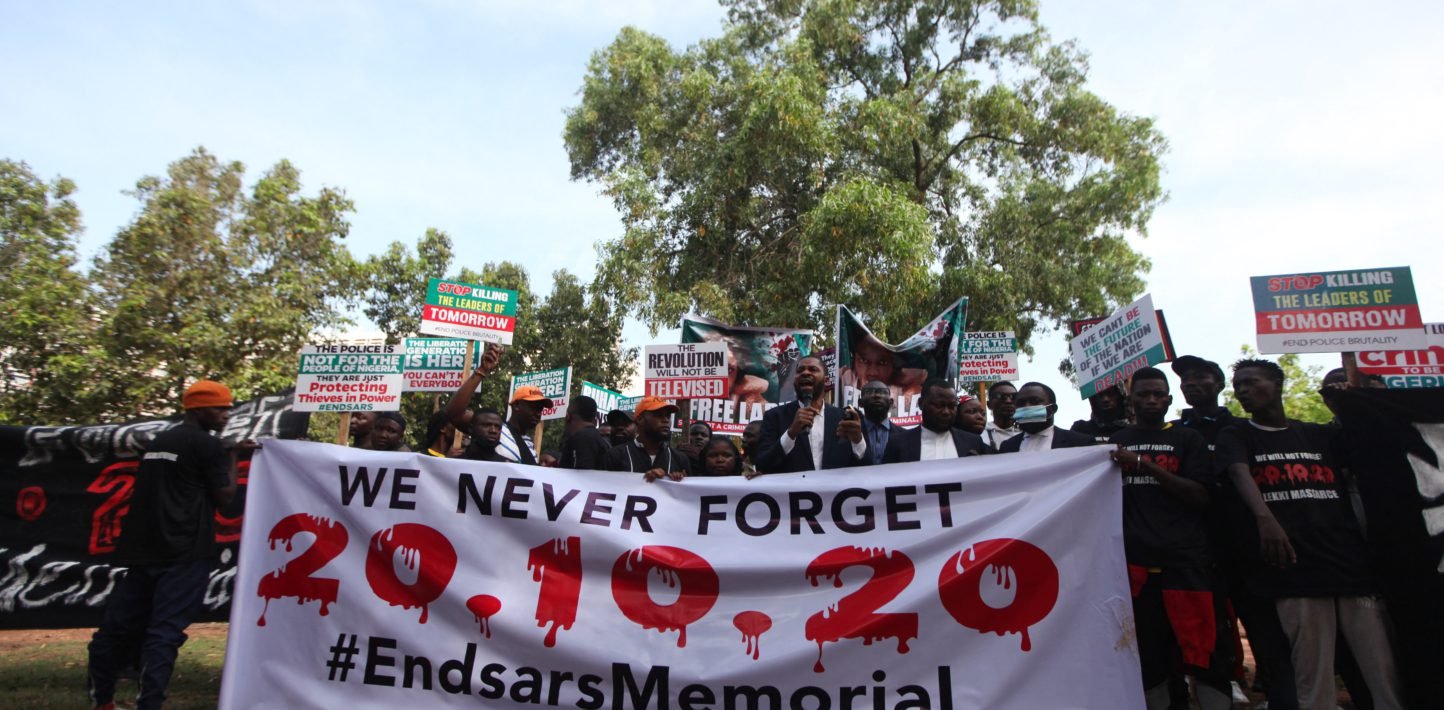
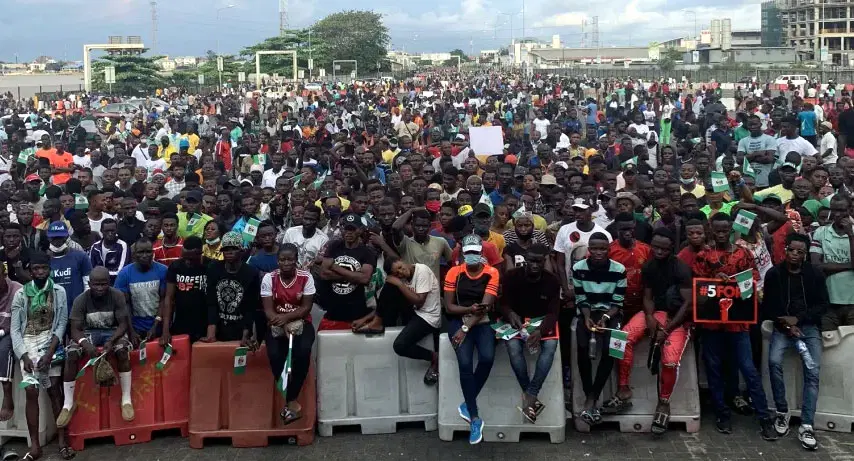
What started off as a hashtag ended up becoming a mirror. The “lazy Nigerian youth” proved to the world that they were anything but for the first time in a generation. This was about the basic right to live fearlessly, not merely police reform.
Students, techies, and grandmothers all throughout the nation stood in the sun and rain, sharing food and charging phones to create a functional mini-Nigeria. #EndSARS demonstrated that the Nigerian spirit, when pushed to the limit, will always find its voice, even when the heartache of the aftermath still looms large.
And even in present day, the gunshots, the sound of feet marching the ground as young Nigerians ran for their lives, the voices of harmless youths singing the national anthem still echoes
ALUU Four
The Aluu four tragedy till date remains one of our most haunting stories. It serves as a grim reminder of what happens when a society loses faith in the gavel and the badge.
What was witnessed was the darkest side of our collective annoyance when fear and rumours take the place of due procedure.
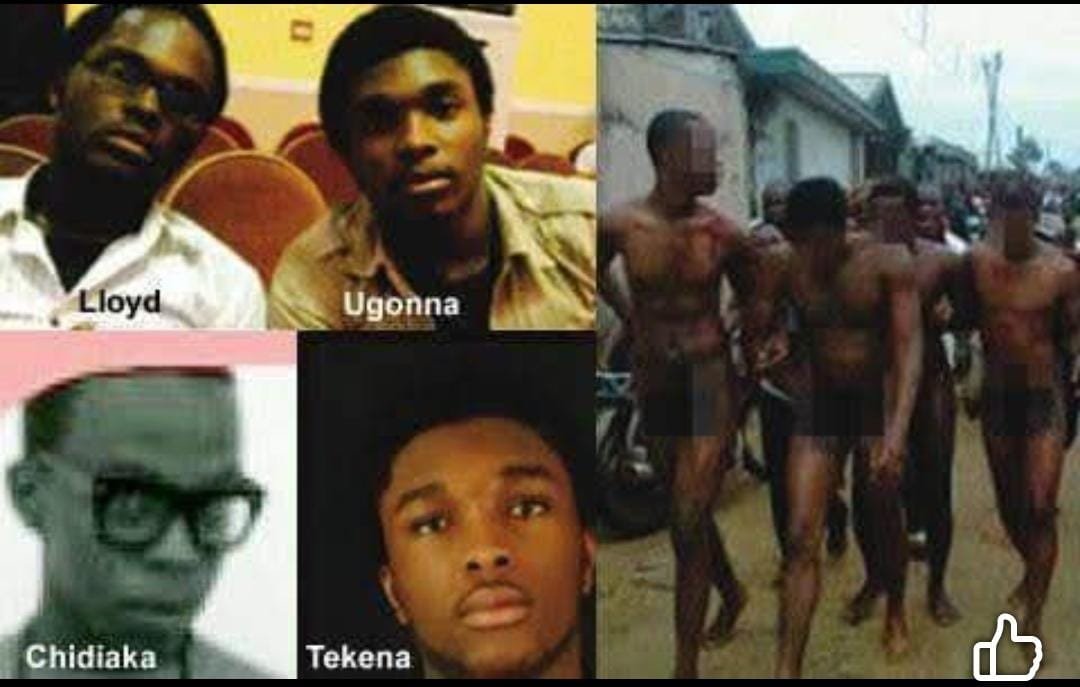
However, the Aluu Four’s legacy has spurred a ten-year discussion about justice, human rights, and the urgent need to restore public confidence in the legal system. It serves as a reminder that humanity and safety are intertwined.
Odi Massacre- A community erased in a single breath
The Odi massacre tells the story of a community that persevered despite witnessing the darkest aspects of state authority.
Being Nigerian means acknowledging that certain scars take generations to heal, but it also means being in awe of the Odi people who rebuilt their homes and preserved their customs even after the 1999 incident that silenced every heart beat in the community. It tells us that the earth and the soul endure even when the system fails.
Economic Hardship- When the basics become luxury
Being an average Nigerian in present day means that a trip to the market is no longer a simple errand; it’s a high-stakes calculation. When “basic” items become luxury, the Nigerian mother becomes a master economist.
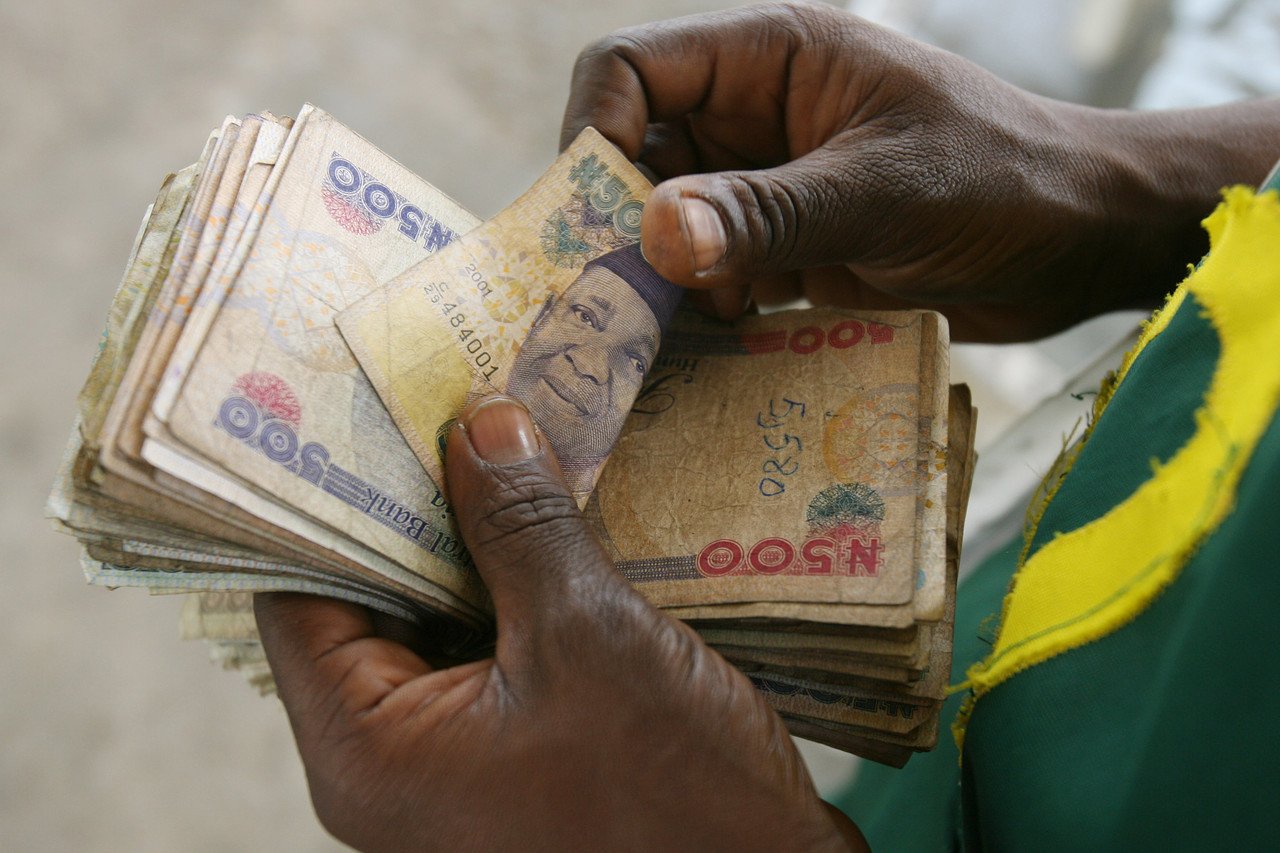
The true meaning of being Nigerian in the way we “stretch” a pot of soup and how we find laughter even while complaining about the price of onions. It’s an emotional strain, yes, but it’s also where our legendary “hustle” is born—a refusal to let a fluctuating Naira dictate our joy.
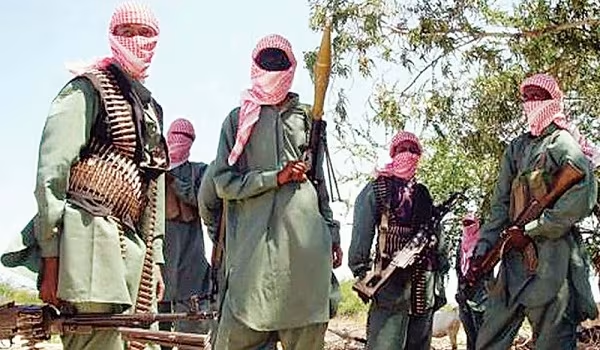
Insecurity- Kidnapping, banditry, our new norm
In recent years, the average Nigerian has had their vocabulary altered by insecurity. These days, phrases like “don’t travel at night” and “send me your live location” have become more predominant among residents. We have been forced into becoming the guardians of our brothers and the watchman over our neigbourhoods .
The frequent check-ins and prayers are actions of love, fear and of anxiety all tied up.
419- They are frauds
For years, a few bad eggs were used by the world to try and define us. Many Nigerian travellers encountered the sting of this unpleasant stereotype and stigma at airports.
Beyond that however, is the wonder of how how many others still manage to shine their brightest in foreign spaces across education, health and social subjects The Nigerian identity draws definition from a never-ending struggle to reveal our beautiful light to the world and recover our name from the shadows of survival.
The Jollof Battle
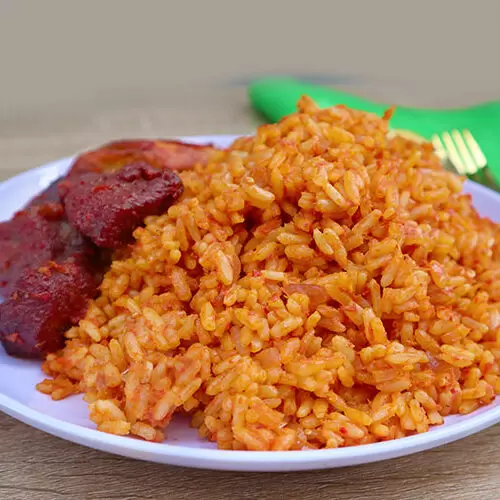
There is a specific kind of resilience found in a party pack. When Jollof rice becomes expensive, it touches our social fabric. But even with strained pockets, Nigerians still find a way to dance. We might scale back the “Owanbe,” but we never stop celebrating. This defines us: our ability to protect our culture and our sense of “belonging” even when the economy tries to steal the feast.
The long wait to financial freedom- Youth Voices and thick layers of frustration
“I’m losing my youth to waiting.” This echo from the youth is a heartfelt confession of dreams deferred. Yet, in this “waiting,” Nigerians are launching startups from bedrooms and learning global skills. We are a generation in motion, refusing to be stagnant even when opportunities lag behind and when the system tries to stifle our growth.
Corruption against Small Moments of Integrity
Corruption is often discussed in billions, but the true Nigerian story is found in the teacher, officer or public servant who refuses a bribe or the citizen who stands their ground for fair service. These daily battles with “small-scale” injustice are where the new Nigeria is being built, one honest decision at a time.
Japa- May Nigeria never happen to me
One of the most emotional story of the modern Nigerian isn’t told in words, but in the tearful goodbyes at the international departure lounge. “Japa” has become more than a trend; it is a desperate search for a functional life. It is the story of doctors, engineers, and creatives who love home but dread its systemic failures more.
Join our WhatsApp community
When we say, “May Nigeria not happen to me,” it isn’t a lack of patriotism—it is a prayer for protection against a system that feels like it consumes its own. This exodus is a silent heartbreak; it’s the reality of a generation that feels forced to trade the warmth of home for the cold dignity of a system that simply works. It defines the Nigerian today as someone who carries their culture in a suitcase, looking for a place where their hard work won’t be swallowed by “the Nigerian factor.”
The true definition of being a Nigerian today isn’t simply a citizen of a country; it is a feeling. It is a mixture of the heartbreak we’ve survived and the Jollof we still share. It is the #EndSARS protest and the Sunday morning church service.
It is in our ability to make jokes out of the hardship and still laugh through, our ability to develop a thick skin despite the stinging pain, our strength to stretch and adjust to almost whatever is thrown at us. Our perseverance to carry these memories of loss, pain, frustration and hope mixed wherever we find ourselves
These stories don’t just tell us where we’ve been; they define the stubborn, vibrant, and unbreakable spirit of who we are- Nigerians
Join Our Social Media Channels:
WhatsApp: NaijaEyes
Facebook: NaijaEyes
Twitter: NaijaEyes
Instagram: NaijaEyes
TikTok: NaijaEyes