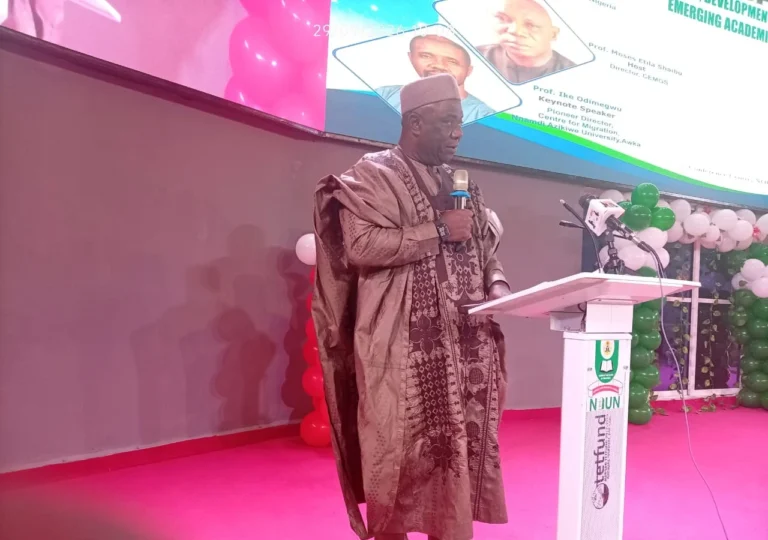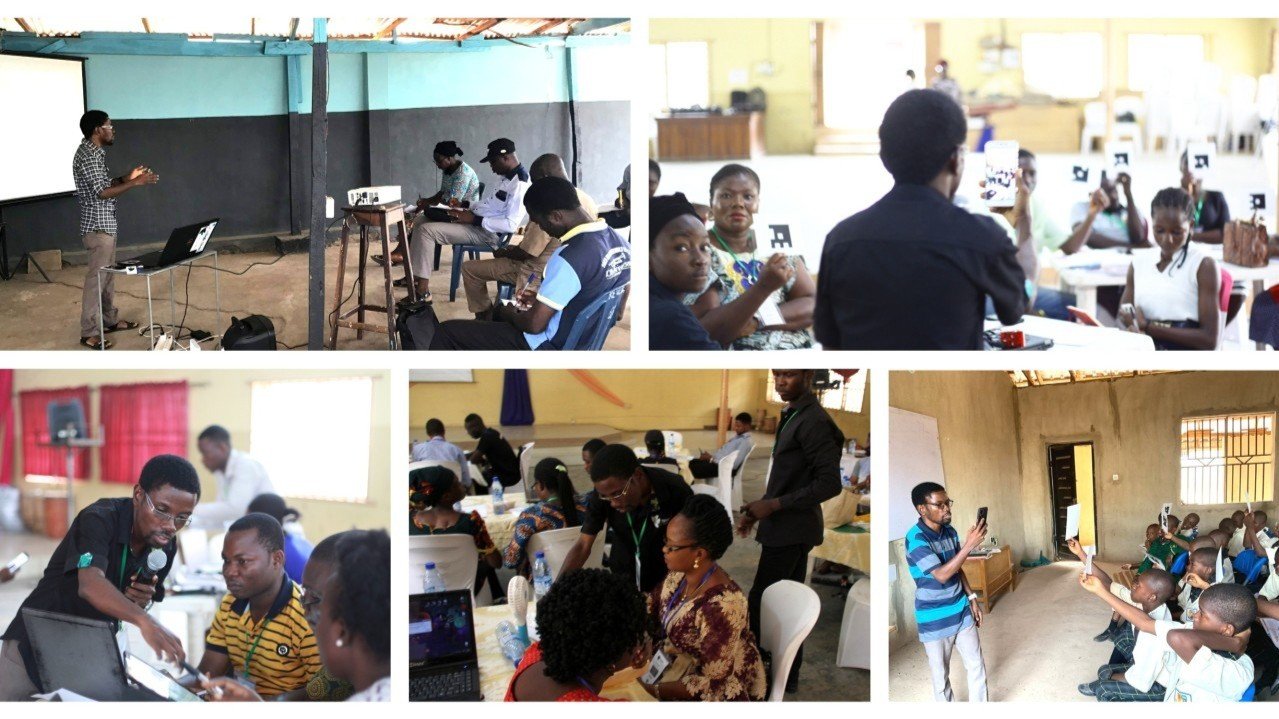

Nigeria is stepping into a defining moment in its education sector as policymakers, educators and technology stakeholders work towards a structured plan to regulate artificial intelligence in classrooms. What began as scattered adoption of digital tools is now evolving into a coordinated national effort to ensure AI is used responsibly, ethically and effectively across schools.
Across the country, from primary schools to universities, artificial intelligence is gradually reshaping how students learn and how teachers teach. But with this transformation comes a critical question: how should Nigeria guide and regulate the use of AI in education without stifling innovation?
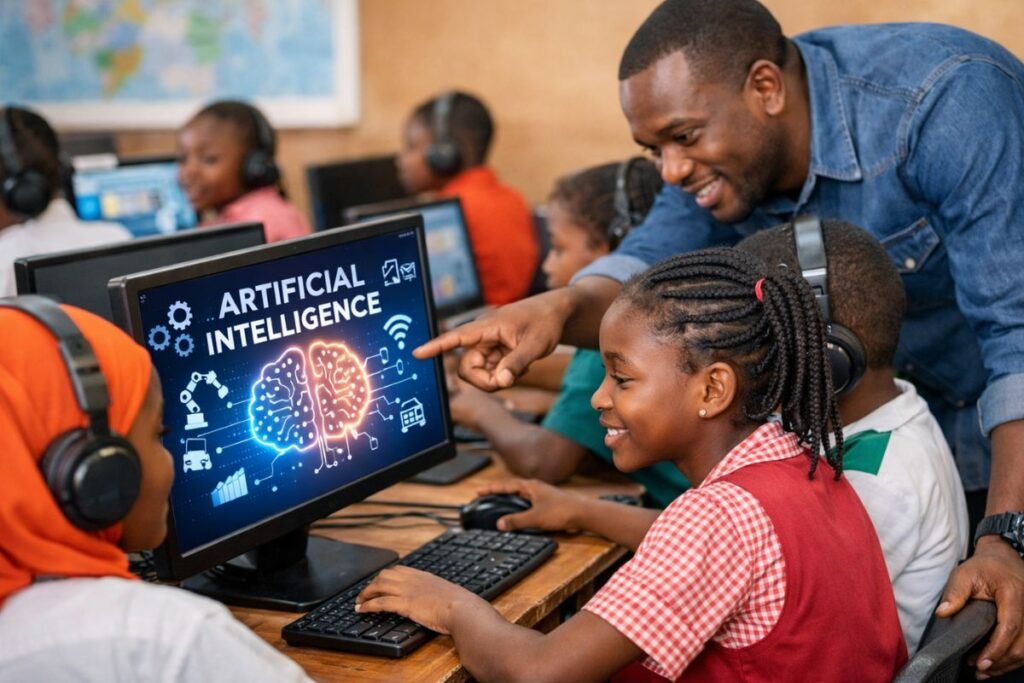
Nigeria Moves to Balance Innovation With Regulation
The Nigerian government’s approach reflects a growing awareness that AI in education cannot be left unchecked. While there is enthusiasm about its potential, there is also recognition that guardrails are necessary to protect students, teachers and institutions.
At the heart of this effort is the development of frameworks that promote responsible AI use. These include policies focused on data protection, ethical standards and the role of human oversight in classrooms. Experts have repeatedly stressed that AI should support teachers, not replace them, ensuring that learning remains human-centred even in a digital age.
Government-backed initiatives are also pushing for the inclusion of AI literacy in school curricula. This means students will not only use AI tools but also understand how they work, their limitations and the ethical implications of relying on them.
The broader goal is clear: to prepare a generation that can thrive in a technology-driven world while ensuring that classrooms remain safe and inclusive environments.
Why AI Regulation Matters in Nigerian Classrooms
Artificial intelligence is already influencing several aspects of education in Nigeria, from automated grading systems to personalised learning platforms. These tools have the potential to address long-standing challenges such as overcrowded classrooms, limited teacher resources and inconsistent learning outcomes.
AI-powered systems can adapt lessons to individual students, offer instant feedback and even assist teachers with lesson planning. In theory, this could significantly improve learning outcomes across the country.
However, without proper regulation, these benefits could come with serious risks. Concerns around data privacy, algorithmic bias and over-reliance on technology are at the forefront of policy discussions. There is also the issue of unequal access, as not all schools have the infrastructure needed to adopt advanced technologies.
Education experts warn that if these issues are not addressed early, AI could deepen existing inequalities instead of solving them. This is why regulation is not just about control, but about ensuring fairness and inclusivity.
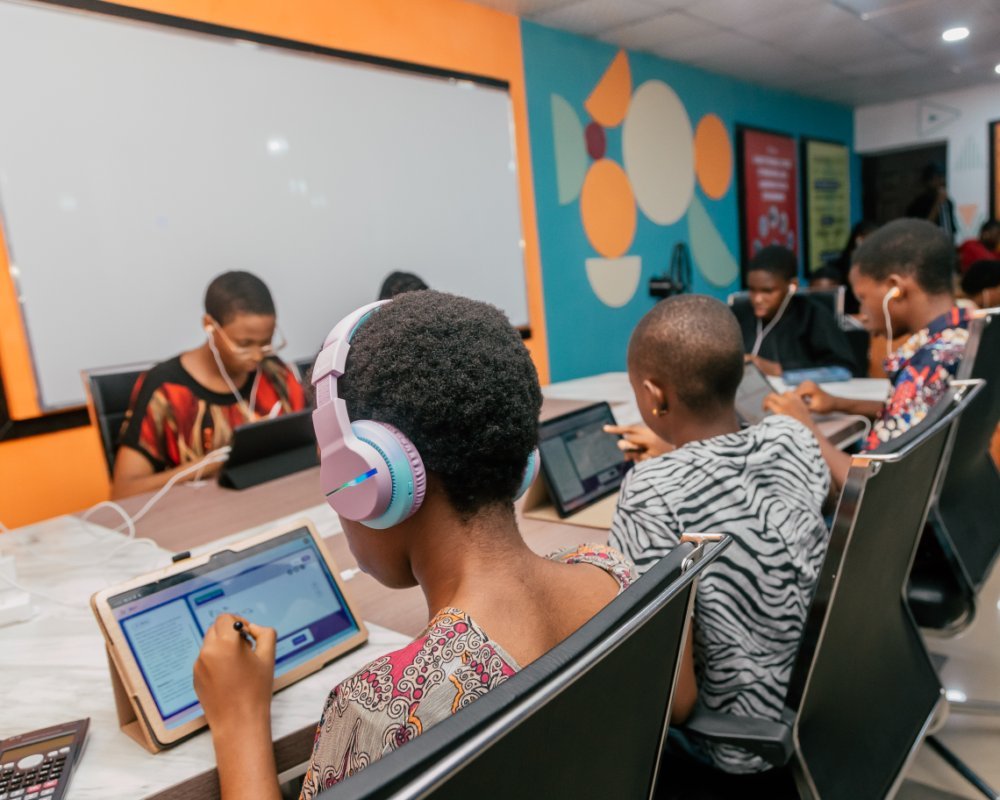
Key Elements of Nigeria’s AI Education Framework
Nigeria’s emerging plan to regulate AI in education is built around several key pillars, each addressing a different aspect of the technology’s impact.
One of the most important elements is data governance. Schools and technology providers will be expected to handle student data responsibly, ensuring privacy and security at all times. This is especially important as AI systems often rely on large datasets to function effectively.
Another focus area is teacher training. For AI to be successfully integrated into classrooms, educators must be equipped with the skills to use these tools effectively. This includes understanding how to evaluate AI-generated content and how to incorporate it into teaching without compromising quality.
Infrastructure development is also a major priority. Many schools in Nigeria still face challenges such as unreliable internet access and limited digital resources. Addressing these gaps is essential if AI is to be adopted on a national scale.
In addition, policymakers are working on ethical guidelines that define acceptable use of AI in education. These guidelines aim to ensure that technology enhances learning without undermining student rights or academic integrity.
The Road Ahead for AI in Nigeria’s Education System
Nigeria’s journey towards regulating AI in education is still in its early stages, but the direction is promising. The country is aligning itself with global trends that see artificial intelligence as a central component of future education systems.
There is also a growing push to integrate AI into broader national development strategies. Programmes aimed at building digital skills among young Nigerians are already underway, reflecting a long-term vision of creating an AI-ready workforce.
At the same time, stakeholders are calling for continuous dialogue between government, educators, technology companies and civil society. This collaborative approach is seen as essential for developing policies that are both practical and forward-looking.
Ultimately, the success of Nigeria’s plan will depend on its ability to strike a balance. Too much regulation could slow innovation, while too little could expose students and institutions to unnecessary risks. The challenge lies in finding a middle ground that encourages progress while safeguarding the future of education.
As classrooms across Nigeria continue to evolve, one thing is certain: artificial intelligence is no longer a distant concept. It is here, and how it is managed today will shape the learning experiences of millions of students for years to come.
Join Our Social Media Channels:
WhatsApp: NaijaEyes
Facebook: NaijaEyes
Twitter: NaijaEyes
Instagram: NaijaEyes
TikTok: NaijaEyes