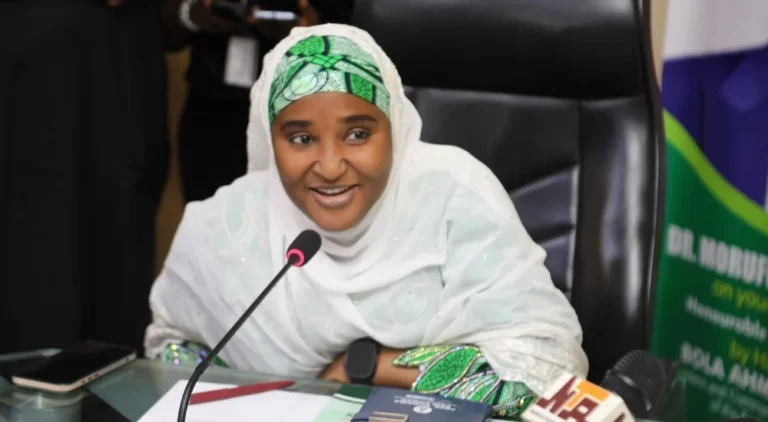

The Vice-Chancellor of the National Open University of Nigeria (NOUN), Prof. Uduma Oji Uduma, has called on African governments to address the conditions pushing many young people to seek opportunities outside the continent.
Uduma made the call on Tuesday, September 29, 2026, in Abuja during a one-day workshop on Migration, Development and Human Security: Emerging Academic Perspectives, organised by NOUN’s Centre of Excellence in Migration and Global Studies (CEM&GS). The gathering brought together academics, policymakers, development partners and civil society representatives to examine the changing face of migration and its implications for African development.
The News Agency of Nigeria report said Uduma linked Nigeria’s growing “Japa” trend to more than the search for higher income abroad. He pointed to concerns around personal security, career progression and the wider social, political and economic realities confronting young Nigerians.
The Vice-Chancellor also warned that the departure of educated and skilled young people could worsen the loss of human capital in African countries. He said skills, knowledge and years of public and private investment in education may leave with professionals who relocate.
Also Read: Banks and Fintechs Ask CBN for More Time to Meet January 2027 Data Localisation Deadline
Why Youth Migration Has Become a Major African Conversation
For many young Africans, migration is closely connected to the search for stability, opportunity and a better quality of life. Nigeria’s experience reflects that wider reality. A 2026 country profile by the Migration Policy Institute identified insecurity, unemployment, wage differences and demand for professionals abroad among factors contributing to Nigeria’s emigration.
The International Organization for Migration has also identified labour market weaknesses and limited employment opportunities as important triggers of migration in Africa. Its continental strategy highlights job creation, skills development and decent employment as part of efforts to reduce socioeconomic vulnerability and irregular migration.
Migration, however, is not only a story of loss. Young people move for education, employment, family reasons, safety and other legitimate purposes. Uduma acknowledged that migration can open doors for individuals while creating difficult questions for countries losing skilled professionals.
African migrants also contribute to their home countries through remittances, investment, knowledge transfer and international networks. The challenge, therefore, is not simply whether people leave, but whether citizens have genuine choices, whether movement is safe and informed, and whether returning home remains realistic.
NOUN Expands Its Focus on Migration Studies
The Abuja workshop also produced a significant development for higher education. Prof. Moses Etila Shaibu, Director of CEM&GS, announced that NOUN had secured full National Universities Commission resource verification for four postgraduate programmes in Migration Studies.
The programmes comprise a Postgraduate Diploma, Professional Master’s, Master of Science and Doctor of Philosophy. NOUN’s official report said they are expected to begin in the 2026/2027 academic session, subject to the university’s academic calendar and admission processes.
The development gives Nigerian scholars and professionals another platform to examine migration from African perspectives. Discussions at the workshop covered migration governance, refugee protection, climate mobility, diaspora engagement and migration data.
The university also highlighted the role of Open and Distance Learning in expanding access to education. Uduma said NOUN’s model allows knowledge to reach learners regardless of location and can support cross-border academic exchange through virtual mobility.
Back Story: Nigeria’s Japa Debate Is Changing
Nigeria’s “Japa” conversation has grown from informal street language into a wider discussion about education, employment, security, family decisions and national development. For many young Nigerians, leaving the country is now part of how they think about their future, while families and employers increasingly face the consequences of professional migration.
The Migration Policy Institute’s 2026 assessment of Nigeria points to a combination of economic pressures, insecurity, labour demand abroad and demographic factors behind recent emigration patterns. It also highlights the importance of Nigerians abroad through remittances and other links with the country.
That broader picture helps explain why NOUN brought migration, development and human security into one conversation. The issue is not only about people crossing borders. It is also about conditions at home, opportunities available to young people and how governments manage movement while protecting human dignity.
Uduma’s message emphasises understanding why young people leave and responding with stronger opportunities, evidence-based policies and respect for migrants. For Nigeria and the wider continent, the conversation is increasingly about creating societies where migration can be a choice rather than a necessity.
Also Read: Nigeria Strengthens Technical Education Through Fresh Germany Partnership to Boost Skills and Jobs