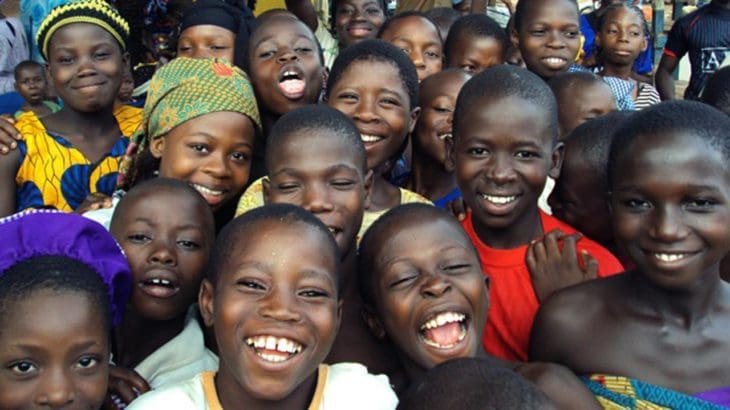

The Universal Basic Education Commission (UBEC) has drawn attention to one of Nigeria’s education challenges, saying about 10 million young children are currently outside the Early Childhood Care, Development and Education (ECCDE) system. The Guardian also reported the warning on September 29, 2026.
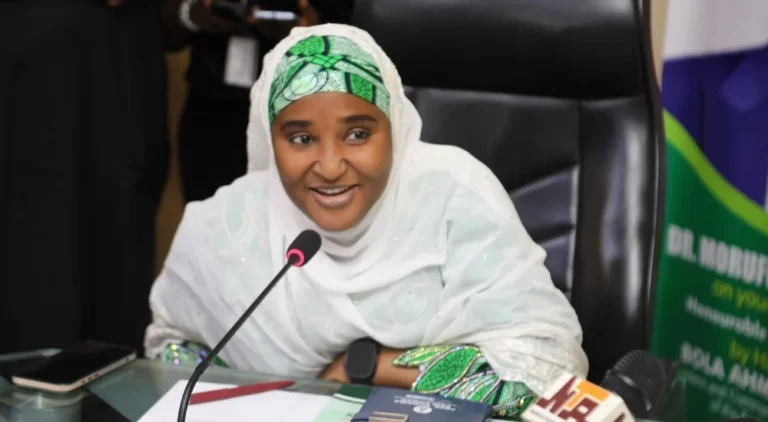
UBEC Executive Secretary, Dr Aisha Garba, gave the warning during a three-day capacity-building workshop in Abuja for state actors working with the commission’s new ECCDE standards and implementation guidelines. Garba, represented by UBEC Deputy Executive Secretary (Technical), Rasaq Olajuwon Akinyemi, said just 35.6 per cent of Nigerian children aged between 36 and 59 months attend any form of early childhood education.
For families, the figures represent more than enrolment statistics. They point to millions of children entering formal education without access to structured early learning opportunities that can help prepare them for primary school.
Early learning gap leaves millions outside the foundation stage
UBEC’s concern centres on what happens before a child reaches primary school. Early childhood is a period when children develop important cognitive, social, emotional and physical abilities, making access to quality care and learning particularly important.
The 2021 Multiple Indicator Cluster Survey, produced by Nigeria’s National Bureau of Statistics with UNICEF, provides broader evidence on the country’s early childhood situation. The survey covers child development, education, health, nutrition and other indicators affecting children and families.
UBEC said an analysis of the survey showed that about 46 per cent of children aged 24 to 59 months were developmentally off track. UNICEF’s published MICS data also show significant differences in early childhood education participation by location and household wealth, pointing to unequal access across the country.
That inequality matters in Nigeria, where the cost of education, distance to schools, household income and availability of learning facilities can influence whether young children get an early start.
UBEC links early childhood shortfall to wider learning crisis
The commission says the effects of weak early childhood preparation can become more evident as children move through school. Garba cited another troubling indicator: about 70 per cent of Nigerian children aged 10 cannot read and understand a simple text.
She also said that of about 5.9 million children entering Primary One each year, only around 2.4 million remain in the education system through the end of junior secondary school.
The figures have added to the case for treating the years before primary school as part of Nigeria’s wider learning challenge.
UBEC is calling for ECCDE to be treated as a national priority, connecting education with health, nutrition, water and sanitation, social welfare, women’s affairs and Local Government Education Authorities. Voice of Nigeria also reported that the commission urged states to make better use of ECCDE intervention funding.
States get October 5 deadline to act
The warning comes with a practical assignment for state governments. UBEC said ECCDE interventions must be included in State Matching Grant Action Plans to qualify for funding, procurement and monitoring support.
The commission has extended the deadline for states to submit their ECCDE Action Plans for the next intervention year from September 30 to October 5, 2026. UBEC said plans submitted after the new deadline would not be considered for that intervention year.
The commission wants the plans to be costed, integrated and inclusive, covering areas such as classrooms, learning materials, caregiver development, child safety and other services needed by young children.
For Nigeria, the immediate issue is whether governments can turn the figures into interventions that reach underserved communities before learning gaps become harder to address.
Back story: Why ECCDE matters in Nigeria
Nigeria’s basic education framework recognises early childhood education as part of basic education. UBEC’s current guidelines describe the structure as one year of pre-primary education, six years of primary education and three years of junior secondary education.
UBEC’s wider reform plans also include establishing more than 8,000 community-based early learning centres, alongside measures aimed at reducing the country’s broader out-of-school challenge.
The 2021 MICS report notes that early childhood is a critical period of development and that children benefit from responsive caregiving, stimulating home environments, learning materials, adequate nutrition, safety and quality early childhood education.
The latest UBEC warning has renewed attention on the starting point of Nigeria’s education system. With millions of children outside ECCDE and learning challenges visible among older pupils, the early years are becoming an important part of the national conversation about improving education outcomes.