
Nigeria’s long-running electricity crisis is taking a deeper toll on the education sector, with stakeholders warning that unreliable power supply is steadily undermining teaching, research, and overall academic performance across the country. From primary schools to universities, the impact is becoming more visible as institutions struggle to cope with persistent outages and rising energy costs.
Across campuses and classrooms, the message is becoming consistent. Without stable electricity, meaningful learning in a modern environment is almost impossible.
Education Sector Faces Growing Disruption from Electricity Challenges
Stakeholders in Nigeria’s education sector have expressed serious concern that erratic power supply is crippling academic activities and weakening institutional capacity. Lecturers, administrators, and students alike point to frequent outages that interrupt lectures, delay examinations, and affect access to digital learning tools.
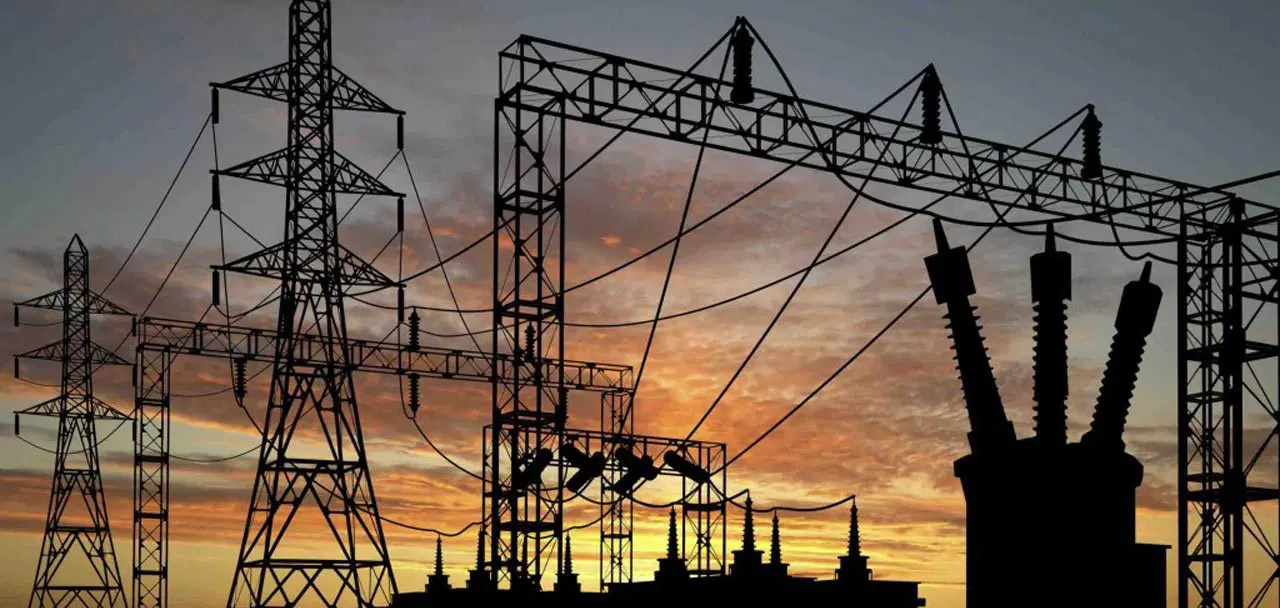
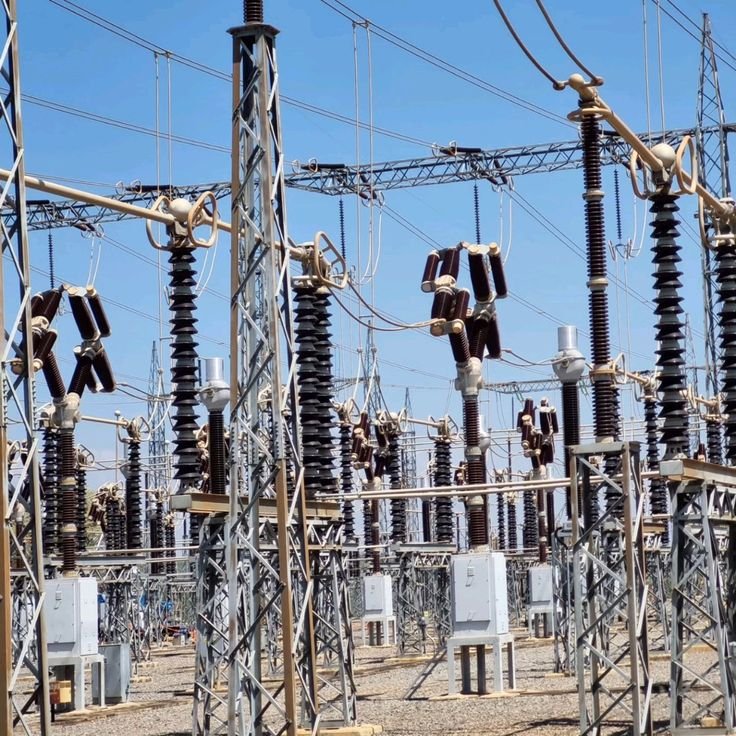
Nigeria’s electricity deficit is not new. The country has for decades battled inadequate generation, weak transmission systems, and distribution inefficiencies, leaving many areas with only a few hours of electricity daily or none at all.
Within schools, the consequences are immediate. Laboratories cannot function effectively, libraries lose access to digital resources, and online learning platforms become unreliable. In an era where education increasingly depends on technology, an unstable power supply creates a significant disadvantage for Nigerian students compared to their global counterparts.
Research has also shown that unstable electricity slows down teaching programmes and administrative processes while increasing operational costs for institutions. These disruptions accumulate over time, weakening the overall quality of education.
Rising Costs and Pressure on Institutions
Beyond academic disruption, the financial burden of alternative power sources is placing additional strain on schools. Many institutions now rely heavily on diesel generators and other off-grid solutions to keep essential services running.
This shift comes at a high cost. With fuel prices fluctuating and maintenance expenses rising, universities and secondary schools are forced to divert funds that could have been used for infrastructure, research, or staff development.
The situation reflects a broader national challenge. Millions of Nigerians still lack access to reliable electricity, and many businesses and organisations depend on self-generated power to function.
For educational institutions operating on already tight budgets, this dependence is unsustainable. Some schools have had to scale back activities, reduce operational hours, or increase fees to cope with energy expenses, further affecting students and families.
Students and Educators Speak Out
Students have increasingly voiced frustration over the impact of poor electricity on their academic experience. Many report difficulty studying at night, limited access to online resources, and disruptions during examinations and project work.
There have also been calls for urgent government intervention. Student groups have warned that the situation is affecting not just academic performance but also safety and well-being on campuses, especially in poorly lit environments.
Educators share similar concerns. Lecturers highlight how unstable power affects research output, particularly in science and technology fields that depend on a consistent energy supply. Without reliable electricity, experiments are interrupted, data is lost, and innovation is slowed.
This growing frustration has led to increased advocacy from education stakeholders who argue that energy stability must be treated as a critical component of national development.
Calls for Urgent Reforms and Sustainable Solutions
Stakeholders are now calling for comprehensive reforms to address the root causes of Nigeria’s electricity challenges and their impact on education. Key recommendations include increased investment in power infrastructure, improved management of the electricity sector, and the expansion of alternative energy solutions such as solar power for schools.
There is also a push for targeted policies that prioritise electricity supply to educational institutions, recognising their role in national development. Experts argue that without reliable power, efforts to improve education quality will continue to fall short.
The broader implication is clear. Nigeria’s education system, already facing issues such as underfunding and infrastructure deficits, cannot afford the added burden of unreliable electricity.
As the country seeks to compete in a global knowledge-driven economy, stakeholders insist that a stable power supply is not optional but essential. Without it, the future of education and the development of human capital remain at risk.