Nigeria has taken a significant step in addressing the growing challenge of false information with the launch of a UNESCO-backed media institute designed to strengthen information integrity, deepen critical thinking, and build a more informed society.
The initiative, unveiled in Abuja, signals Nigeria’s increasing commitment to tackling misinformation and disinformation, issues that have become deeply embedded in modern digital communication and public discourse. With the rise of social media and rapid information sharing, the line between verified facts and manipulated content has become increasingly blurred, making this development both timely and strategic.
At the centre of the effort is the International Media and Information Literacy Institute, a global platform expected to position Nigeria as a key player in shaping how societies respond to information disorder.
Nigeria Positions Itself as Global Leader in Media Literacy
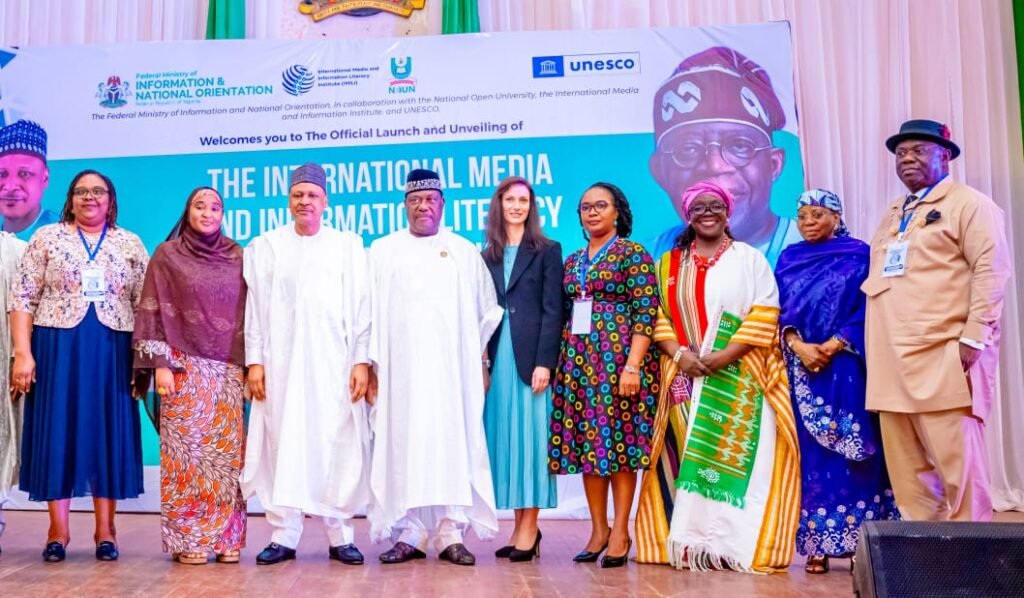
The Federal Government, in collaboration with UNESCO, formally launched the institute as part of a broader vision to strengthen media and information literacy not just in Nigeria, but across Africa and beyond.
Minister of Information and National Orientation, Mohammed Idris, described the institute as one of global relevance, emphasising its role in addressing misinformation and disinformation that continue to affect governance, public trust, and social cohesion.
The institute is designed to serve as an international hub for research, policy development, and capacity building in media literacy. It will bring together stakeholders from journalism, education, technology, and civil society to create solutions that help individuals better understand, analyse, and engage with information.
UNESCO has consistently stressed that media and information literacy is critical in empowering citizens to navigate the modern information landscape. The organisation views such initiatives as essential to strengthening democratic systems and ensuring that citizens are not easily misled by false narratives.
By hosting the institute, Nigeria is not only addressing its domestic information challenges but also contributing to a global movement aimed at building more resilient, informed societies.
Tackling the Rising Threat of Information Disorder
Misinformation and disinformation are no longer isolated issues. They have evolved into global threats with real consequences for elections, public health, national security, and economic stability.
Experts warn that the speed at which false information spreads online often outpaces efforts to verify or correct it. This has led to what many describe as an “information disorder,” where the public struggles to distinguish between credible sources and misleading content.
The newly launched institute is expected to confront this challenge head-on by promoting media and information literacy as a core life skill. Through research, training, and policy advocacy, it aims to equip individuals with the ability to critically evaluate information before accepting or sharing it.
According to UNESCO, media literacy helps people develop the skills to access, analyse, evaluate, and create information responsibly. It also plays a key role in reducing the impact of hate speech, propaganda, and manipulated narratives.
The institute will also act as a knowledge centre, generating data and evidence that can inform policies and strategies for combating misinformation at both national and international levels.
Building Capacity Across Media, Education and Society
One of the key strengths of the new institute lies in its multi-sectoral approach. Rather than focusing solely on journalists or media professionals, it targets a broad range of stakeholders, including educators, students, policymakers, digital platform operators, and community leaders.
This inclusive approach reflects a growing understanding that combating misinformation requires collective action. It is not enough to fact-check content after it has spread. There is a need to build preventive systems that empower people to question and verify information before it circulates widely.
The institute is expected to support the integration of media literacy into formal education systems, ensuring that young people develop critical thinking skills from an early stage. UNESCO has repeatedly called for media literacy to be embedded in school curricula as a long-term solution to information disorder.
In addition, the institute will provide training programmes, research opportunities, and partnerships that strengthen the capacity of media practitioners and institutions. It will also encourage collaboration across countries, positioning Africa as a strong voice in global conversations about information integrity.
For Nigeria, the benefits are clear. Improved media literacy can help reduce the spread of fake news, strengthen democratic participation, and rebuild public trust in institutions.
Back Story: How Nigeria Secured the UNESCO Institute
Nigeria’s journey to hosting the International Media and Information Literacy Institute did not happen overnight. It is the result of years of engagement with UNESCO and sustained efforts to position the country as a leader in media development.
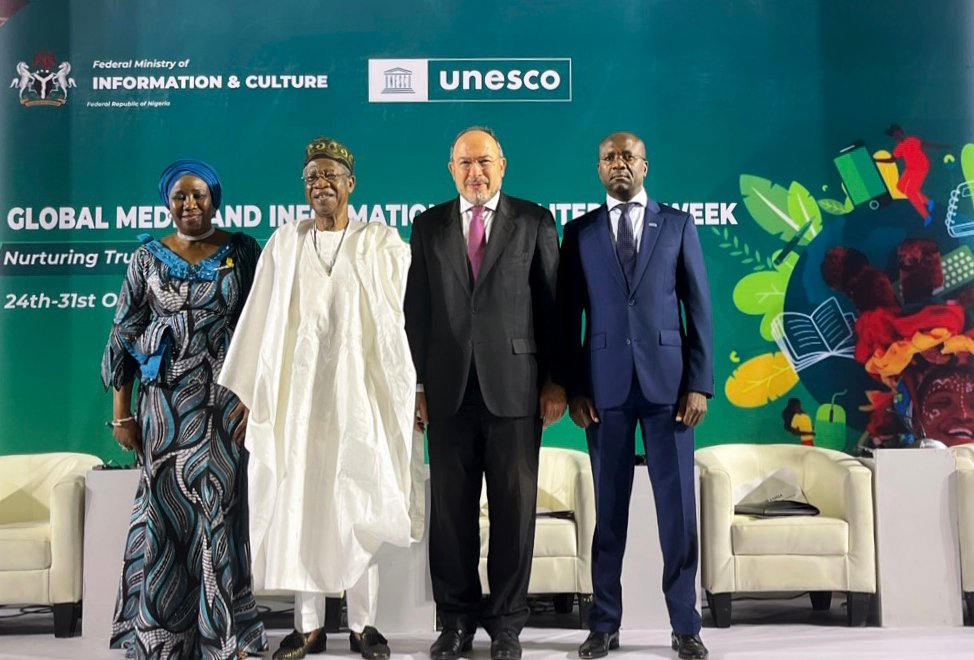
In 2025, UNESCO announced that Nigeria would host the institute as a Category 2 centre, recognising the country’s strategic importance and commitment to advancing media and information literacy.
The decision was influenced by Nigeria’s active participation in global media literacy initiatives and its role in promoting information integrity within West Africa. Abuja has previously hosted international forums focused on media literacy, further strengthening its credentials as a regional hub.
The institute aligns with UNESCO’s broader vision of creating a “media and information literate world,” where citizens are equipped to engage with information responsibly and critically.
For Nigeria, hosting the institute is both an opportunity and a responsibility. It places the country at the forefront of efforts to combat misinformation while also demanding sustained investment, collaboration, and policy commitment.
As digital technologies continue to evolve, the importance of such initiatives cannot be overstated. The success of the institute will depend on how effectively it translates its goals into real-world impact, from classrooms to newsrooms and across communities.
In a time when information can shape opinions, influence elections, and even determine public health outcomes, Nigeria’s move to establish this institute represents a bold step towards safeguarding truth in the digital age.
Join Our Social Media Channels:
WhatsApp: NaijaEyes
Facebook: NaijaEyes
Twitter: NaijaEyes
Instagram: NaijaEyes
TikTok: NaijaEyes