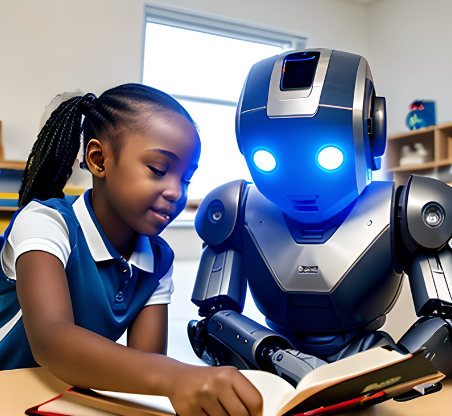

Artificial intelligence is no longer a futuristic concept sitting on the sidelines of education. It has quietly become one of the most widely used learning tools among students across the world, changing how assignments are completed, how research is conducted and how learners prepare for exams.
A new global survey has found that 90 percent of students now use artificial intelligence for academic purposes, confirming what many teachers and education experts have suspected for some time. AI has moved beyond being an experimental technology and is now deeply embedded in everyday classroom life.
The report shows that more than half of students use AI regularly for schoolwork, while nearly three out of every ten rely on it every day. Students are increasingly turning to AI to brainstorm ideas, organise essays, summarise lengthy reading materials, improve grammar and edit written assignments. Rather than replacing traditional learning altogether, AI has become a digital study companion that many learners now consider essential.
The rapid growth reflects a wider shift in education. Just a few years ago, many schools debated whether AI tools should be allowed in classrooms. Today, conversations have moved towards how students can use these technologies responsibly without weakening critical thinking or academic integrity.
The findings also suggest that AI is becoming part of the complete learning journey. Students are not simply using it to generate answers. Many now depend on AI from the earliest stage of developing ideas through to proofreading final submissions. This changing behaviour is forcing educators to rethink how assignments are designed and assessed.
For countries like Nigeria, where access to quality educational resources can sometimes vary between urban and rural communities, AI also presents opportunities to bridge learning gaps. Students with internet access can receive explanations, practise questions and instant feedback that were previously unavailable outside the classroom.
Also Read: Why Schools Should Lead AI Education Instead of Banning Technology
AI Is Transforming the Way Students Learn Across the World
The survey paints a picture of students who are becoming increasingly comfortable with AI technology. Around 73 percent reported that they are using AI more today than they did during the previous academic year, highlighting how quickly adoption continues to rise.
Students say they use AI for a wide variety of educational tasks. Brainstorming ideas remains one of the most common uses, followed by creating outlines, drafting essays, rewriting paragraphs and simplifying difficult concepts. AI is also becoming a valuable revision partner, helping learners prepare for tests and understand complex topics more quickly.
Google’s recent global research points to a similar trend. According to its findings, learning has become the number one reason people now use AI, overtaking entertainment and casual experimentation. Among students aged 18 and above, 85 percent reported using AI, with most saying it helps them better understand difficult subjects and complete academic tasks more efficiently.
Teachers themselves are also embracing the technology. Many educators now rely on AI to prepare lesson plans, create classroom materials and reduce administrative workloads. Research indicates that AI can significantly improve productivity for teachers, allowing them to spend more time supporting students directly.
Despite these advantages, experts caution that convenience should not replace genuine understanding. Education specialists argue that students still need to develop analytical thinking, creativity and problem-solving skills independently rather than relying entirely on AI-generated responses.
This concern is echoed by recent surveys showing that many teachers worry AI could weaken students’ ability to think critically if used without proper guidance. At the same time, most educators believe AI literacy should become a formal part of school curricula so students learn how to use these tools responsibly.
Also Read: Education Leaders Share Practical Roadmap for Safe AI Use in Schools
Schools Face Fresh Questions About Academic Integrity and AI Literacy
The widespread use of AI has also intensified concerns about academic honesty.
Universities and schools across several countries have reported increasing cases involving inappropriate AI use in coursework. Some institutions are investing in AI detection software, while others are redesigning assessments to focus more on oral presentations, classroom discussions and project-based learning that require original thinking.
Many experts believe detection software alone cannot solve the challenge. False accusations remain a concern, while AI-generated content is becoming increasingly difficult to distinguish from human writing. As a result, educational institutions are shifting towards teaching students how to use AI ethically instead of attempting to ban it completely.
Researchers also stress that clear policies are urgently needed. Many students still receive little formal guidance from their schools on what constitutes acceptable AI use. Without consistent rules, learners often depend on friends, social media or trial and error to understand how these tools should be used in academic settings.
For Nigerian schools and universities, the findings offer an important reminder that AI adoption is no longer a future issue. Students are already using these technologies, whether institutions have formal policies or not. This makes digital literacy, ethical AI education and updated assessment methods increasingly important for maintaining academic standards.
Education analysts believe the goal should not be to compete against AI but to ensure students develop the human skills that technology cannot easily replace. Critical thinking, communication, collaboration and creativity remain essential regardless of how advanced AI becomes.
Back Story
Artificial intelligence entered mainstream education following the public release of generative AI tools in late 2022. Within months, millions of students worldwide began experimenting with AI to answer questions, generate essays and explain difficult concepts.
Initial reactions from schools were mixed. Some institutions introduced outright bans, fearing widespread cheating, while others encouraged careful experimentation. Over time, however, attitudes began to shift as educators recognised that AI would likely become a permanent feature of modern education rather than a temporary trend.
Several recent studies have documented this rapid transformation. Global surveys now show AI becoming a routine part of learning for students, teachers and even parents. Education organisations increasingly argue that the real challenge is no longer whether AI should be used in schools but how learners can develop the judgement to use it responsibly while preserving originality and independent thinking.