
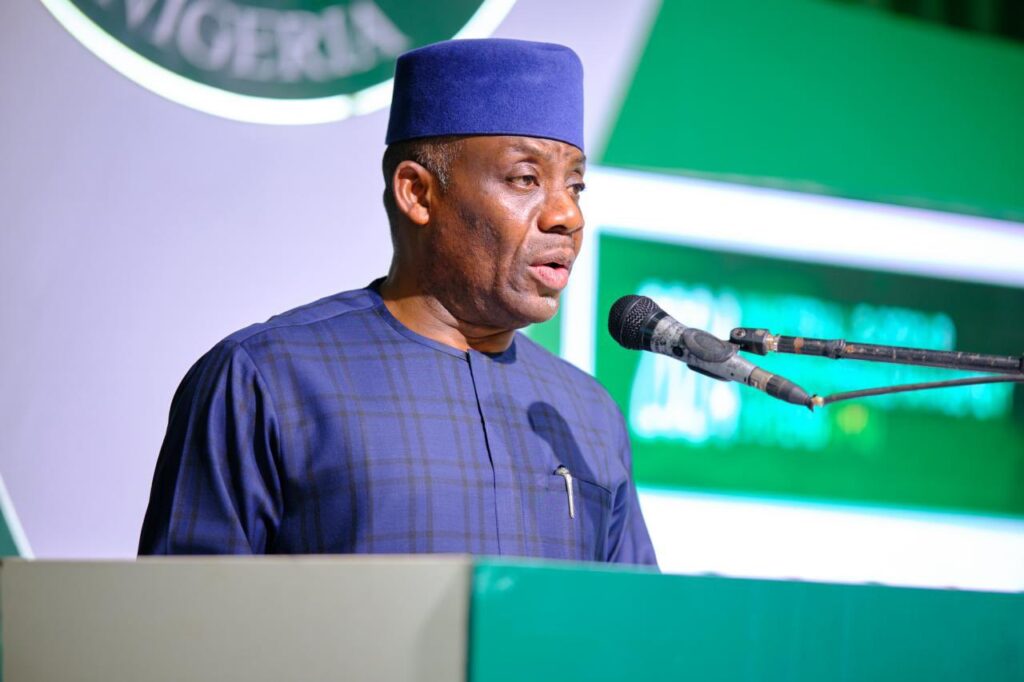
Nigeria has recorded another milestone on the global education stage following the appointment of the Minister of Education, Dr Tunji Alausa, to the Board of Directors of the Global Partnership for Education, a development that places the country at the centre of international conversations on education reform and investment.
The appointment is being widely celebrated as recognition of Nigeria’s recent efforts to transform its education sector through policy reforms, improved learning outcomes and stronger collaboration with international development partners. It also gives Africa’s most populous nation a greater opportunity to influence global decisions that shape access to quality education across developing countries.
The Global Partnership for Education is one of the world’s leading multilateral organisations dedicated to supporting education in lower-income countries. It works with governments, donor agencies, civil society organisations and the private sector to expand access to quality learning while improving education systems worldwide.
For Nigeria, the appointment represents more than a personal achievement for the minister. It signals growing international confidence in the country’s education reform agenda at a time when governments across the world are seeking practical solutions to learning poverty, school access and skills development.
Education stakeholders say Nigeria’s presence on the board will allow the country to contribute directly to policy discussions, funding priorities and collaborative initiatives that could benefit millions of learners across Africa and beyond.
The Federal Ministry of Education has in recent months intensified efforts to improve foundational literacy and numeracy, strengthen technical and vocational education, expand digital learning opportunities and improve education planning through better use of data. These reforms have increasingly attracted attention from global education partners.
Also Read: Nigeria’s Education Reforms Earn Global Recognition Ahead of September Education Summit
Nigeria’s Growing Influence in International Education
Alausa’s appointment comes at a period when Nigeria has become more active in global education partnerships.
The Federal Government has been working closely with international organisations to improve learning outcomes while addressing one of the world’s largest populations of out-of-school children. Recent reforms have focused on increasing accountability, improving teacher quality, modernising school infrastructure and ensuring that education policies are guided by reliable national data.
Earlier this year, the government also announced plans to access additional education financing through the Global Partnership for Education, with officials highlighting the importance of stronger international cooperation in accelerating ongoing reforms.
Observers believe Nigeria’s new role on the GPE Board could strengthen the country’s ability to advocate for greater investment in education, not only for Nigeria but also for other African nations facing similar challenges.
The appointment is also expected to encourage deeper collaboration between the government, development partners and private sector organisations committed to expanding access to quality education.
Education experts have consistently argued that Nigeria’s success in improving literacy, teacher development and school infrastructure will require sustained funding, effective governance and long-term policy continuity. Representation on a global platform such as the GPE Board could provide valuable opportunities to exchange ideas and adopt proven solutions from other countries.
What the Appointment Means for Nigeria’s Education Future
Membership of the GPE Board gives Nigeria an influential voice in decisions affecting international education financing, policy direction and strategic partnerships.
Beyond strengthening the country’s global profile, the appointment is expected to support ongoing reforms aimed at improving learning outcomes for children across all regions of the country.
Education analysts believe the role could help Nigeria attract stronger technical partnerships, improve knowledge sharing and reinforce confidence among international donors supporting education initiatives.
The recognition also reflects growing acknowledgement that Nigeria is becoming an important contributor to conversations about education innovation, data-driven planning and inclusive learning systems.
While significant challenges remain, including infrastructure deficits, teacher shortages and the large number of out-of-school children, many believe stronger international engagement will complement domestic efforts already underway.
As governments continue to prioritise education as a driver of economic growth and national development, Nigeria’s presence on one of the world’s most influential education boards could create fresh opportunities for collaboration and investment that benefit learners across the country.
Also Read: Nigeria Strengthens Technical Education Through Fresh Germany Partnership to Boost Skills and Jobs
Back Story
The Global Partnership for Education was established to help developing countries build stronger and more inclusive education systems through international cooperation and financial support. The organisation brings together governments, donor countries, development institutions, civil society groups and private sector partners to improve access to quality education.
Nigeria has maintained a long-standing relationship with the partnership, benefiting from technical support and funding aimed at strengthening foundational learning, expanding school access and improving education governance.
In recent years, the Federal Government has introduced several reforms designed to modernise the education sector. These include expanding digital learning initiatives, improving national education data systems, strengthening foundational literacy and numeracy programmes and promoting technical and vocational education.
Alausa’s appointment to the GPE Board is therefore viewed as the latest step in Nigeria’s expanding role within the global education community. Supporters believe it reflects increasing international confidence in the country’s reform agenda and its commitment to improving educational opportunities for millions of children and young people.