
Efforts to finalize an agreement to reopen the strategic Strait of Hormuz hit a setback on Saturday after Iran introduced new preconditions, including demands for compensation covering its wartime losses.
Tehran has maintained a virtual blockade on the vital global economic shipping lane since joint U.S. and Israeli military strikes in late February. As part of its restrictions, Iran has attempted to impose transit tolls and has launched targeted attacks against vessels accused of bypassing its designated maritime routes.
Following the breakdown of an April ceasefire due to persistent clashes in the waterway, international mediators have been pushing both sides to restore the terms of a previous memorandum agreed upon in June.
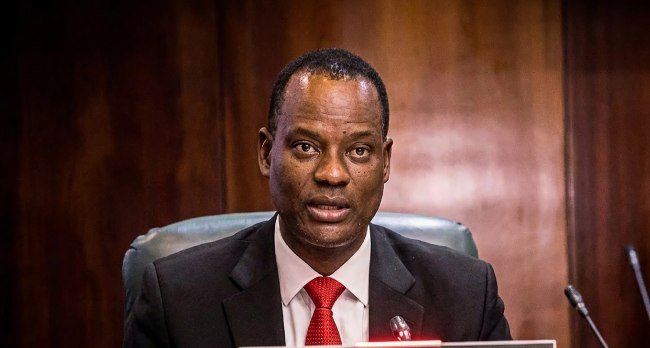
Iranian Foreign Minister Abbas Araghchi stated that while talks with Oman regarding the management and passage through the waterway are “approaching the final stages,” the full reopening of the Strait of Hormuz remains subject to additional conditions—including compensation for violations of the June agreement.
Outlining Tehran’s broader requirements on Saturday, security chief Mohammad Bagher Zolghadr demanded an immediate end to “war and aggression against Iran and its allies in Lebanon, Palestine, Yemen, and Iraq” before the strategic shipping route can be reopened.
In remarks reported by the Tasnim news agency, Zolghadr further insisted on the lifting of sanctions, the release of frozen Iranian assets, full compensation for wartime damages, and the dismantling of the parallel U.S. naval blockade targeting Iran
Meanwhile, Iran’s Revolutionary Guards, claim that Hormuz’s reopening had “nothing to do with the negotiations between Iran and Oman”, adding that the “enemy is forced to accept Iran’s conditions for the opening of the strait”.
Repeated attacks
The UAE Ministry of Foreign Affairs strongly condemned what it described as a hostile missile attack by Iran targeting an Abu Dhabi National Oil Company (ADNOC) tanker navigating the Strait of Hormuz.
The ministry noted that the strike resulted in no casualties. In a separate report, the United Kingdom Maritime Trade Operations (UKMTO) confirmed that a vessel off the coast of Oman was struck by a projectile, triggering a fire that was subsequently extinguished with no injuries reported.
It remains unconfirmed whether the UKMTO report and the UAE statement reference the same incident. The attack follows a statement released by ADNOC disclosing that 15 of its vessels have been targeted in the Strait of Hormuz since the outbreak of the conflict, including three incidents in the past week alone.
On his part, Oman’s foreign ministry on Saturday condemned “repeated attacks on vessels transiting the Strait of Hormuz”, without naming Iran.
It further stated that “ongoing negotiations regarding navigation arrangements in the Strait of Hormuz are proceeding in a positive and constructive atmosphere”, and urged against any move that might truncate the progress.
Security agreement
According to Turkish Foreign Minister Hakan Fidan, Egypt is a “natural partner on all issues,” expressing confidence that Cairo would eventually join the newly formed “Mecca Joint Defence Agreement” signed by Turkey, Saudi Arabia, and Pakistan.
In an interview, he said, “I believe that at the next stage Egypt will also be among us in the alliance. We already act toward one another as if we were alliance members.”
The first drone strike on Egyptian territory since the start of the Iran war occurred last month, targeting U.S. assets at a Mediterranean port.
Fidan clarified that the agreement does not target any specific country.
Meanwhile, Pakistan’s foreign ministry confirmed on Friday that the pact is designed to “strengthen collective deterrence,” specifying that an attack against one member state will be treated as an attack on all.
Backstory…
The new conditions for the reopening of the water way comes just days after Iran firmly stated that Hormuz reopening depends on the United States after President Donald Trump has repeatedly insisted Tehran is keen for a deal.
Iran rejected the agreement, announcing it will coordinate instead with its neighbor across the waterway, Oman.
According to state news agency IRNA, Iranian foreign ministry spokesperson Esmaeil Baqaei stated that naval blockades and other aggressive actions by the US make reopening the Strait impossible
Read Also: Trump Warns Iran of Heavy Strikes if Strait of Hormuz Stays Closed