
Nigeria is moving to strengthen the regulation and quality of technical education as the Federal Government reconstitutes the governing structure of the National Board for Technical Education (NBTE), placing polytechnics and other Technical and Vocational Education and Training (TVET) institutions at the centre of a wider education reform agenda.
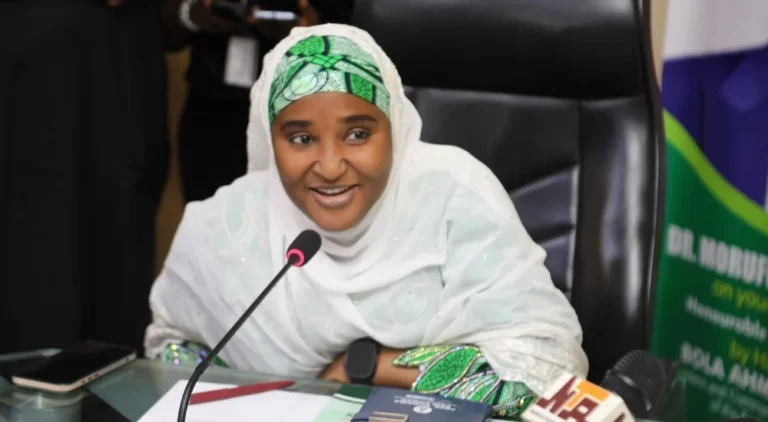
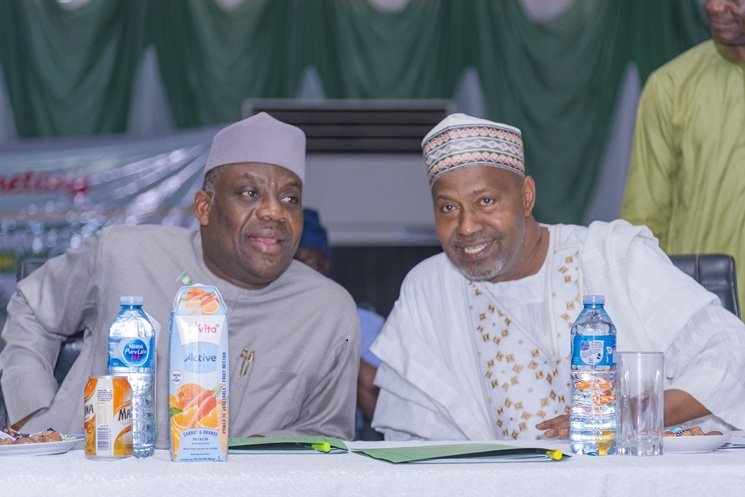
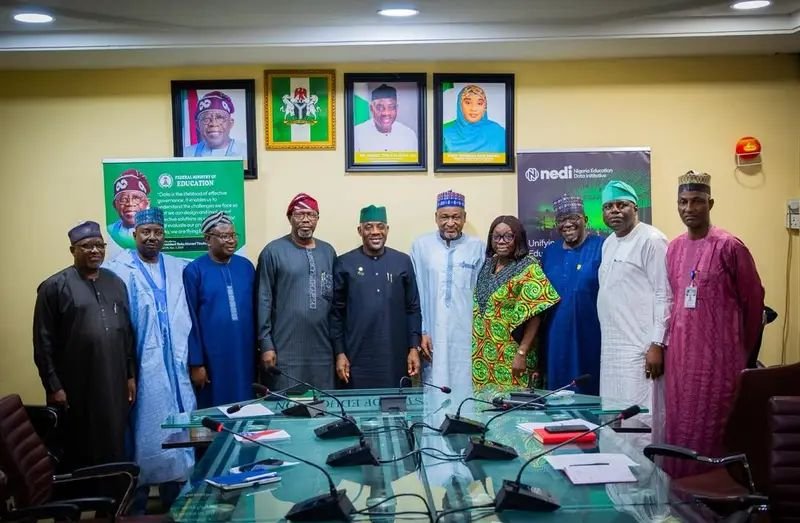
The development comes after the inauguration of a new NBTE Governing Board in Abuja following more than five years without a functioning board. Education Minister, Dr Tunji Alausa, charged the new leadership with improving the regulation and delivery of technical education while ensuring that graduates leave institutions with practical skills that employers can use.
For Nigerian students and parents, the development is significant because the government is increasingly treating technical education as more than an alternative to university education. The focus is shifting towards skills, employability, innovation and the ability of graduates to contribute directly to industry.
The NBTE is responsible for regulating technical and vocational education institutions in Nigeria, including polytechnics, monotechnics and other TVET institutions. Its responsibilities include programme approval, accreditation and monitoring of standards.
Also Read: Nigeria Begins NBTE Restructuring as KPMG Assesses Technical Education System
New NBTE Board Expected to Tighten Regulation
Professor Babatunde Salako chairs the new NBTE Governing Board after President Bola Ahmed Tinubu appointed him to the position in April 2026. The President also reappointed Professor Idris M. Bugaje as NBTE Executive Secretary for a second and final five-year term.
The return of the governing board comes at a crucial time for Nigeria’s technical education sector. The Federal Government is seeking to improve institutional accountability, strengthen quality assurance and make technical programmes more responsive to the needs of employers.
At the inauguration, Alausa urged the board to support competency-based training and encourage stronger collaboration between technical institutions and industry. The objective is to ensure that students acquire practical competencies rather than graduate with qualifications that do not translate into meaningful employment.
This approach also fits into the government’s broader reform of polytechnic education. In January, Alausa announced plans to amend the Polytechnic Act to address the longstanding HND dichotomy and create a framework under which polytechnics can award degrees. He said the transition would be supported by clear standards, stronger regulation and quality assurance.

Technical Education Reform Moves Beyond Certificates
The reforms are not limited to governance. The Federal Government has also been investing in infrastructure, laboratories and practical training.
In February, the Ministry of Education inaugurated a committee to monitor the second phase of the Skills-G intervention, which covers engineering and laboratory upgrades in 14 polytechnics. The programme is designed to strengthen hands-on training and improve the technical capabilities of students.
The intervention is also expected to support dual certification, allowing eligible polytechnic graduates to combine National Diploma or Higher National Diploma qualifications with recognised National Skills Qualification certificates.
Nigeria has additionally entered into a partnership with Singapore’s Institute of Technical Education Services to strengthen its TVET system. The collaboration is expected to support capacity building and improve technical education practices.
The direction is important because employers increasingly need workers who can operate equipment, solve technical problems and adapt to new technologies. Recent calls for AI-driven curriculum reforms in Nigerian polytechnics have similarly highlighted the need for programmes to reflect developments in artificial intelligence, digital innovation, research and modern industry.
Also Read: Nigeria’s Agriculture Education Reform Targets More Practical Training in Polytechnics
Back Story: Why Nigeria Is Rebuilding Polytechnic Education
Nigeria’s polytechnic system has faced longstanding challenges, including inadequate infrastructure, funding constraints, outdated equipment, concerns about curriculum relevance and the public perception that university degrees offer better career prospects.
Government policy has therefore increasingly focused on making technical education more attractive and economically relevant. The Federal Ministry of Education says its Polytechnic Education and Allied Institutions Department is responsible for policy coordination, monitoring, quality improvement and oversight across federal, state and private polytechnics.
The government has also introduced measures affecting admission and qualifications. JAMB’s 2026 policy meeting approved a minimum tolerable admission score of 100 for polytechnics, monotechnics, colleges of agriculture, colleges of education and Innovation Enterprise Institutions.
With the NBTE board now back in place, the next test will be implementation. Stronger regulation will only matter if it leads to better laboratories, credible accreditation, competent lecturers, industry partnerships and graduates whose skills match real jobs.
For Nigeria, that outcome could be more important than simply increasing the number of institutions or qualifications. A stronger polytechnic system could help produce the technicians, technologists, engineers, digital specialists and skilled workers required to support industrialisation and reduce the country’s dependence on imported technical expertise.