Nigeria is moving to reshape how agriculture is taught in its polytechnics, with the Federal Government pushing for a stronger practical component in agricultural education and training. The reform is expected to make graduates more useful to farms, agribusinesses and other parts of the agricultural value chain.
The National Board for Technical Education (NBTE), which regulates technical and vocational education in Nigeria, has been leading the review of agricultural curricula for National Diploma (ND) and Higher National Diploma (HND) programmes. The exercise is designed to bring classroom training closer to the realities of modern agriculture and the skills employers increasingly require.
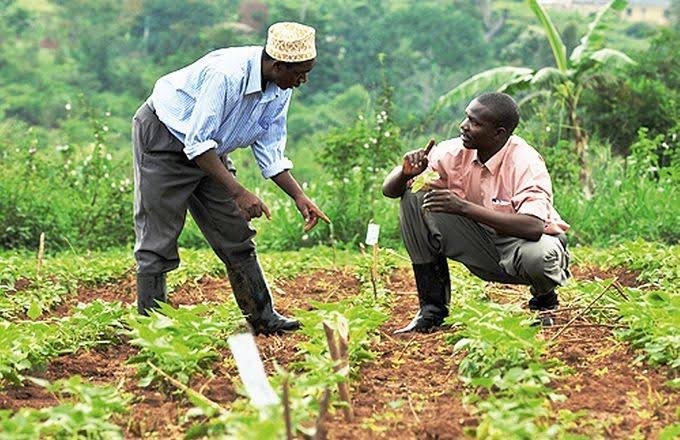
At the centre of the reform is a proposed 70:30 balance in favour of practical learning. Rather than spending most of their time studying agricultural concepts in classrooms, students are expected to have more opportunities to develop skills through practical exercises, field activities and industry-linked training.
Also Read: 36 Governors Support Tax Reform, Propose VAT Sharing Formula
Why the Agriculture Curriculum Is Being Reworked
For many young Nigerians, studying agriculture has traditionally been associated with farming rather than technology, business or innovation. That perception is increasingly at odds with the sector itself, which now depends on mechanisation, digital tools, improved production methods, processing, logistics, data and commercial management.
NBTE officials have acknowledged that several agricultural programmes have remained substantially unchanged for more than 15 years. The concern is that curricula designed around older agricultural realities may not adequately prepare students for today’s industry.
The review is therefore expected to reflect modern farming practices, emerging technologies and labour market demands. It will also draw from findings of a 2026 skills gap analysis intended to identify areas where Nigeria lacks adequately trained technical personnel.
The review covers agricultural areas including crops and agronomy, livestock, fisheries and forestry. More than 30 National Occupational Standards are also part of the exercise, creating an opportunity to define more clearly what students should actually be able to do after completing their training.
This could be particularly important for agriculture graduates who leave school with certificates but struggle to demonstrate practical competence. A stronger skills-based approach could help polytechnic graduates move more easily into farm operations, agricultural extension, food processing, equipment services, agribusiness and entrepreneurship.
What the New Approach Could Mean for Polytechnic Students
The proposed shift is not simply about adding more practical classes to an existing timetable. It points towards a broader change in what agricultural education is expected to achieve.
Under the existing ND Agriculture framework, students are already expected to learn about crop, animal and fish production, agricultural processing, marketing, pest and disease control, extension services and farm enterprises. The programme also includes laboratory, field and workshop activities as well as supervised industrial experience.
The new direction could make those practical elements more central to the entire learning experience.
Students may increasingly be assessed on whether they can apply knowledge to real agricultural problems rather than simply reproduce information during examinations. Courses may also be adjusted to accommodate new technologies, modern equipment, entrepreneurship and measurable workplace competencies.
For polytechnics, this will also place greater pressure on institutions to provide functioning farms, laboratories, workshops, equipment and qualified instructors. Curriculum reform can only achieve so much if students return to institutions where practical facilities are unavailable or poorly maintained.
The approach also fits into the Federal Government’s wider effort to reposition polytechnics as institutions focused on innovation, skills development and productivity. In January 2026, the Federal Ministry of Education said it wanted polytechnics to serve as strategic hubs for practical skills and innovation.
Also Read: ARCN Seeks Bigger Investment and Innovation to Strengthen Africa’s Food System
Back Story
The latest agriculture curriculum reform did not emerge in isolation. NBTE has been working more broadly to close skills gaps across Nigeria’s technical and vocational education system, while agriculture has received particular attention because of its importance to food production, employment and economic activity.
In April 2026, the Federal Government announced a comprehensive review of agricultural curricula in polytechnics and colleges of education. The exercise was expected to cover 33 ND and HND agricultural curricula alongside more than 32 occupational standards. Officials said declining enrolment in agricultural programmes and outdated course content were among the concerns driving the review.
By May, NBTE had moved into curriculum development work, with officials calling for practical learning to take a stronger position in agricultural training. A subsequent June workshop continued the review and development of occupational standards, bringing education professionals and industry stakeholders into the process.
For Nigeria, the real test will come after the curriculum is approved. If institutions receive the equipment, funding, industry partnerships and qualified personnel needed to implement it, the reform could help produce agricultural technicians who are ready to work, innovate and build businesses.
That would make agriculture education less about obtaining another certificate and more about developing people who can actually solve problems in Nigeria’s agricultural economy.