
Nigeria’s education leaders are calling for a more responsible and purposeful approach to Artificial Intelligence as the technology continues to change how people learn, work and prepare for employment.
The Institute of Educational Leadership Practitioners of Nigeria, IELPN, made the call at its 2026 International Conference in Owerri, Imo State, where educators, academics and other stakeholders examined what AI means for the future of education.
The conference was held at Imo State University under the theme, “Leading Education in an AI-Driven World for Skills, Employability, Ethics, and Sustainability.”
Dr Taiwo Olufunmilayo Olusa, Registrar and Chief Executive Officer of IELPN, said educational institutions should not adopt AI simply because it is becoming popular. She argued that the technology must be introduced responsibly and ethically, with the primary goal of improving learning and developing the abilities students need for the changing world of work. The Guardian reports that Olusa described ethical and visionary leadership as essential to the future of education.
The message comes at a time when Nigerian students are increasingly encountering generative AI tools in their academic work, while employers are also placing greater value on digital and adaptable skills.
Also Read: Education Leaders Share Practical Roadmap for Safe AI Use in Schools
AI Should Strengthen Human Skills, Not Replace Them
For many schools and universities, the biggest question is no longer whether AI will enter the classroom. It is how educators can ensure students benefit from it without becoming overly dependent on automated systems.
Keynote speaker Sonny Iroche, Founder and Chief Executive Officer of GenAI Learning Concepts Ltd, said education must move beyond memorisation and certificates. He highlighted critical thinking, creativity, digital literacy, ethical judgement, innovation, employability and lifelong learning as capabilities that students will need in an AI-driven economy. The Guardian’s conference report gives further details on his remarks.
That argument is particularly important for Nigeria, where academic qualifications remain highly valued but many young people still face difficulties moving from school into meaningful employment.
Rather than allowing AI to do the thinking for students, educators can use the technology to support research, personalised learning, lesson preparation, brainstorming and practical problem-solving. The human ability to question information, understand context and make responsible decisions, however, remains essential.
IELPN’s position also reflects its broader focus on preparing educational leaders to respond to a rapidly changing environment. The institute says its work centres on strengthening leadership capacity, improving student outcomes and helping educational institutions respond to change through training, research and mentoring. IELPN outlines these priorities on its official website.
Nigeria Faces Both an Opportunity and a Digital Gap
The push for responsible AI use also highlights an important concern: access.
AI-powered learning can be useful, but students cannot benefit equally when some have reliable internet, modern devices and trained teachers while others struggle with basic digital infrastructure.
This digital divide could become more significant as AI skills become increasingly relevant to employment. Education leaders therefore face the task of ensuring that AI adoption does not simply create another advantage for students in better-equipped schools.
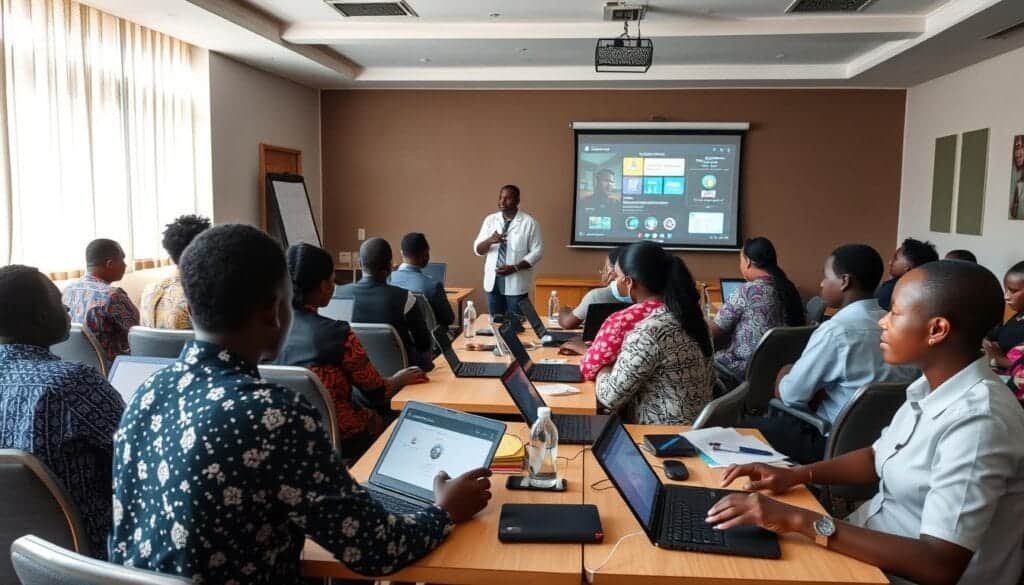
There is also the question of teacher capacity. Educators need practical training to understand what AI tools can do, where they can be useful and where they create risks involving misinformation, privacy, bias and academic integrity.
Research published in a 2026 Nigerian education journal has similarly recommended AI ethics policies, professional development and stronger institutional oversight to guide the use of AI in Nigerian educational settings. The study argues that training and policy reform are important parts of responsible AI adoption.
Back Story: Why the AI Education Debate Matters Now
The Owerri conference is part of a wider conversation about how Nigeria can prepare its education system for technological change.
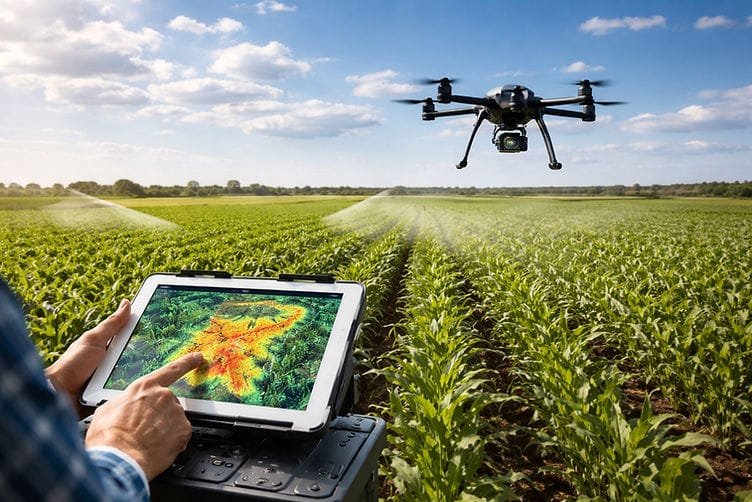
Earlier in August, Imo State Commissioner for Education, Prof Bernard Ikeagwuoha, said the state was already developing technology-focused initiatives, including claims that an Imo digital city was producing drones and Android phones. He made the remarks while representing Governor Hope Uzodimma at the IELPN conference. The Sun reported that he described young people as major beneficiaries of the current technological revolution.
At the national level, Nigeria is also building a wider AI ecosystem focused on talent, governance and responsible innovation. A 2026 report from the National Centre for Artificial Intelligence and Robotics highlighted initiatives supporting responsible AI governance, education, research and capacity development in the country. NCAIR’s report documents several of these efforts.
For Nigerian education, the real test will therefore be more than introducing AI tools into classrooms. Schools and universities will need to produce graduates who can work with AI while retaining the creativity, judgement, communication skills and problem-solving abilities that machines cannot simply replace.
That is the balance education leaders are now asking Nigeria to pursue: not AI for its own sake, but responsible AI that makes learning more practical, strengthens employability and prepares young Nigerians for the economy they are entering.
Also Read: Schools Worldwide Shift from AI Fear to Responsible AI Adoption