
Following a fresh escalation in the US-Iran conflict, investors increased their bets on a US interest rate hike after Federal Reserve chief Kevin Warsh delivered hawkish remarks on Monday. The developments sent oil prices higher and pushed Asian stocks lower.
The US Federal Reserve has faced growing pressure to act as inflation remains stubbornly high, with rising energy costs adding to price pressures.
Warsh’s comments offered little reassurance to investors and increased uncertainty over the Fed’s next move. However, during a closely watched speech at the Jackson Hole symposium of central bankers and economists in Wyoming, he made it clear that he was open to raising interest rates.
Warsh said: “We must be confident that underlying inflation is moving to our objective, clearly and at sufficient speed. Otherwise, we have work to do.”
He called the spike in inflation — currently at 3.7 per cent and nearly double the Fed’s two-percent target — “concerning”, and said he would be “hard-pressed” to describe current financial conditions as “restrictive”, a potential hint that rate hikes could be on the horizon.
He said, “I stand here today committed to a discipline, not to a decision,” yet he refrained from endorsing a walk.
US-Iran Conflict Cause Stock Decline
On Friday, all three major Wall Street indices closed lower. The US dollar strengthened against major currencies, while short-term US Treasury yields climbed as investors adjusted their expectations for monetary policy.
Gold prices also fell as expectations of higher interest rates weighed on the precious metal.
Asian technology stocks bore much of the pressure, particularly companies that rely on borrowing to finance their large artificial intelligence investments.
Markets in Tokyo, Seoul, Hong Kong, Shanghai, Taipei and Jakarta closed lower, while Singapore and Wellington recorded gains.
Investors will now turn their attention to key US economic data expected over the next two weeks. These include employment figures this week and the Consumer Price Index (CPI) next week, which could influence the Federal Reserve’s next interest-rate decision.
Read Also: Trump Warns Iran of Heavy Strikes if Strait of Hormuz Stays Closed
Backstory…
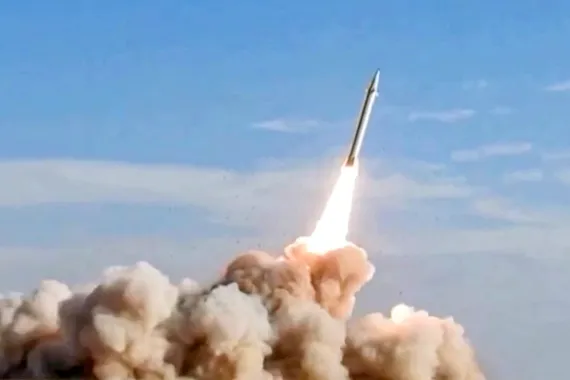
The latest market turmoil comes after the US and Iran exchanged fire again for the first time in more than a month, putting a fragile period of reduced hostilities under renewed pressure.
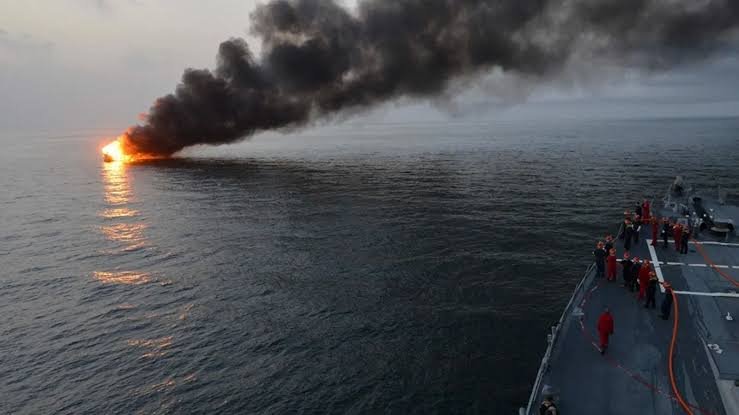
The US struck two Iranian rocket launchers on Larak Island in the Strait of Hormuz, saying the launchers were preparing to deploy mines in the strategic waterway. Iran subsequently retaliated against US military targets in Jordan and reported an attack on a tanker.