
Most people can point out major countries such as the United States, China, the United Kingdom, South Africa and France on a map. But there are still many countries you didn’t know existed, each with its own fascinating history, culture, landscapes and stories. Beyond the nations that dominate global headlines are smaller and lesser-known countries that can be just as intriguing to discover.
Some of the countries you didn’t know are tiny island nations hidden in the Pacific Ocean. Others are home to ancient civilisations, rare wildlife or natural wonders that make them unique despite their small size.
Here are five countries you didn’t know existed or have heard little about — and what makes each of them worth knowing.
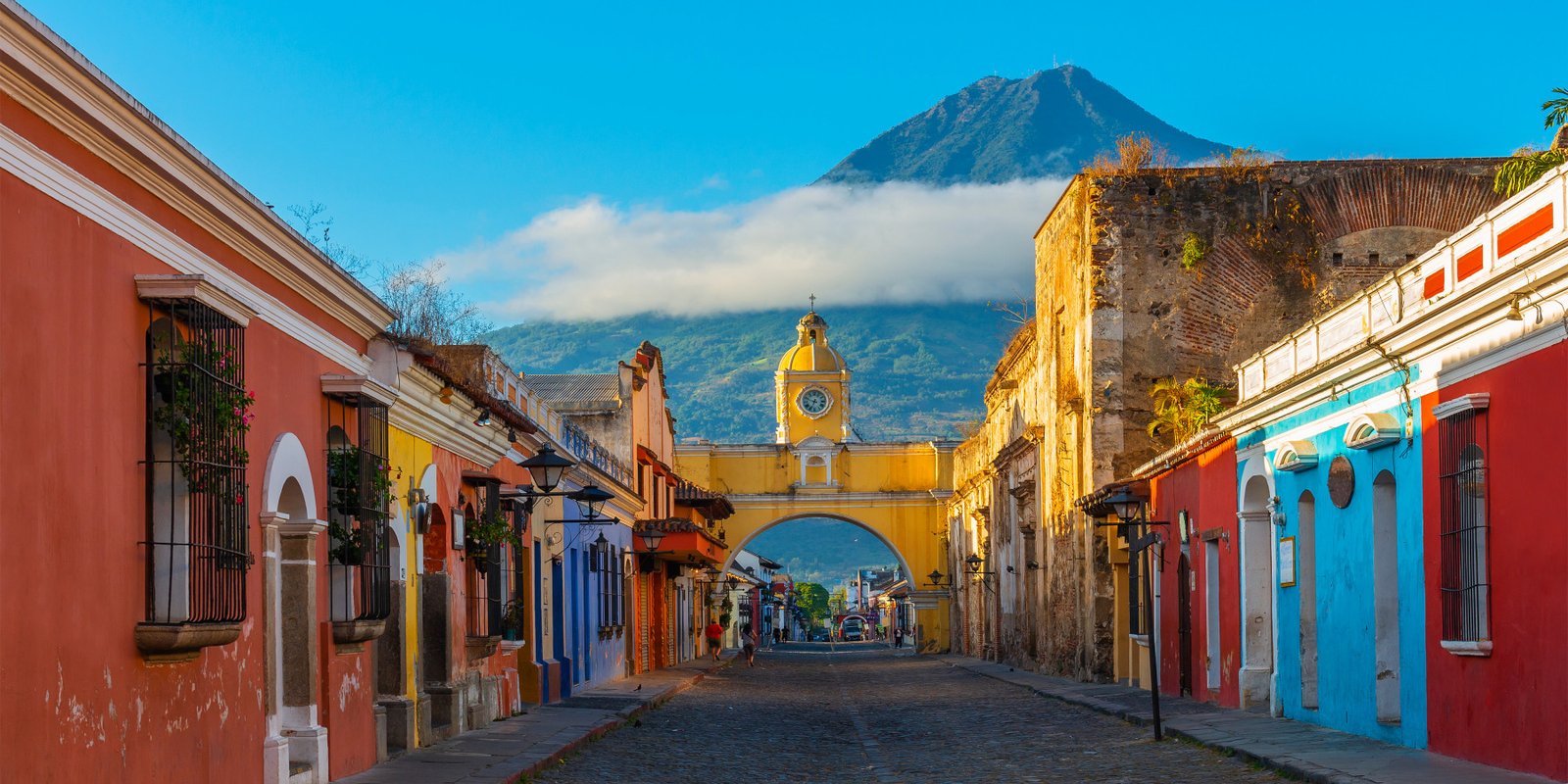
Guatemala — Home of the Maya and the Ancient City of Tikal
When people hear “Central America,” countries such as Mexico, Costa Rica and Panama may come to mind first. Guatemala, however, has one of the region’s richest historical and cultural identities.
Located between Mexico, Belize, Honduras and El Salvador, Guatemala is particularly famous for its connection to the ancient Maya civilisation. Previously in history, Guatemala was referred to as the Banana Republic.
Its most celebrated archaeological site is Tikal, an enormous ancient Maya city surrounded by tropical rainforest. The city flourished for centuries and became one of the most important political, economic and military centres of the Maya world.
Guatemala is also famous for its experience with the United Fruit Company in the 1950’s which subsequently led into country into a civil war, resulting in about 200,000 deaths.
Nauru — The Tiny Island That Built Its Economy on Phosphate
Some countries are so small and remote that they rarely appear in everyday conversations about world affairs. Nauru, a tiny island country in the central Pacific, is one of them.
Located northeast of Australia and just 42 kilometres south of the equator, Nauru is a small coral island surrounded by the Pacific Ocean. Its population is only around 11,000 people, according to the Nauruan government.
But Nauru has a surprisingly significant economic history.
Phosphate deposits were discovered on the island around 1900, and commercial mining soon transformed its economy. For decades, phosphate became the country’s major source of wealth. The government says phosphate mining has remained an important part of Nauru’s economic history, with mining resuming in 2005 after a period of decline.
Today, Nauru remains one of the world’s smallest countries and one of the most geographically isolated.
Suriname — The South American Country That Speaks Dutch
Suriname borders Guyana, Brazil and French Guiana, but unlike most of its South American neighbours, its official language is Dutch. That unusual connection comes from its history as a Dutch colony before gaining independence in 1975.
What makes Suriname particularly fascinating is the contrast between its relatively small population and its enormous natural landscape. More than 85 per cent of the country is covered by pristine jungle belonging to the Amazon rainforest basin, according to Suriname’s tourism authority.
Its capital, Paramaribo, offers another glimpse into the country’s unusual identity. The city reflects centuries of Dutch colonial influence alongside African, Indigenous, Asian and Caribbean cultural influences.
Suriname is also known for its diverse population. Communities with African, Indian, Javanese, Chinese, Indigenous and European ancestry have shaped the country’s food, festivals, languages and traditions.
Kiribati — A Country Spread Across the Pacific
Imagine a country made up of dozens of islands scattered across a vast stretch of the Pacific Ocean. That is Kiribati.
The country consists of 33 islands and atolls spread across a huge area of the Pacific. Its geography makes it one of the world’s most distinctive island nations — and also one of the countries most vulnerable to the effects of climate change.
Kiribati’s low-lying islands sit close to sea level, making rising seas, coastal erosion and extreme weather particularly serious concerns. For a country whose communities depend heavily on the surrounding ocean, changes in the marine environment can directly affect everyday life.
Its location also makes Kiribati one of the more isolated countries in the world. Rather than being one compact piece of land, the country is essentially a chain of scattered communities separated by enormous distances of ocean.
Kiribati has consequently become closely associated with the global conversation about climate change and the future of low-lying island nations.
Tuvalu — One of the World’s Smallest Countries
This tiny Polynesian country sits in the South Pacific and consists of nine low-lying islands and atolls. It has only about 26 square kilometres of land, making it one of the world’s smallest countries.
But Tuvalu’s small size is exactly what has placed it on the international stage.
The country is extremely vulnerable to rising sea levels, storm surges, coastal erosion and other effects of climate change. Much of its land is only slightly above sea level, leaving communities particularly exposed to changes in the ocean.
For years, Tuvalu’s leaders have used international forums to draw attention to the consequences of climate change for small island nations. The country’s struggle is particularly striking because nations like Tuvalu contribute only a tiny share of global greenhouse-gas emissions while facing some of the most immediate consequences of a warming planet.
Read Also: The World’s Millionaire Hotspots-Inside the Countries Packed With Millionaires