
A Nigerian-made browser game is quickly becoming one of the most talked-about digital products to emerge from the country this year, after Lagos Life crossed the one million player mark only days after its launch.
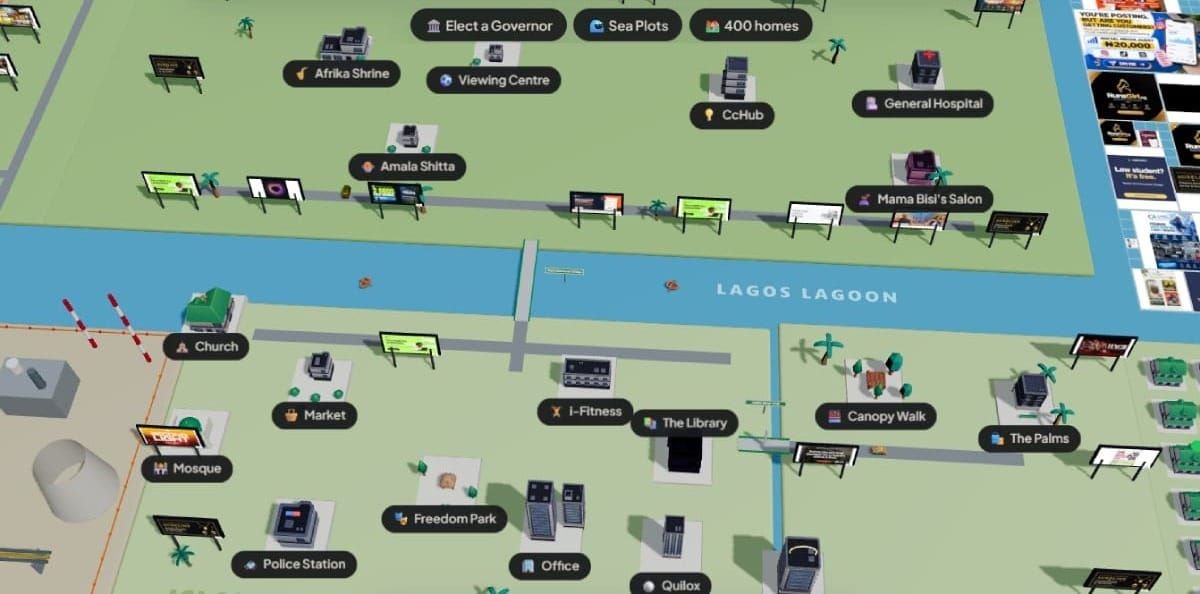
The free online life simulation game, created by Nigerian software developer Shalom Rayhamen, allows users to create virtual characters, work jobs, earn money, rent or buy property, socialise and explore a digital version of Lagos. Unlike many modern games, users do not need to download an application or install special software. They can play directly through a web browser.
According to figures displayed on the game’s own dashboard and reported by Techpoint Africa, Lagos Life had 1,212,477 total players by October 5, with more than 71,000 users online at the time the figures were recorded. The developer had also reported a peak of more than 109,000 players online simultaneously. The figures are self-reported by the game and have not been independently verified.
The milestone comes just four days after the game was launched on October 1, Nigeria’s Independence Day, making the speed of its growth particularly striking.
Lagos Life turns everyday Lagos into a virtual experience
What makes Lagos Life stand out is not simply its technology but the familiarity of the world it creates.
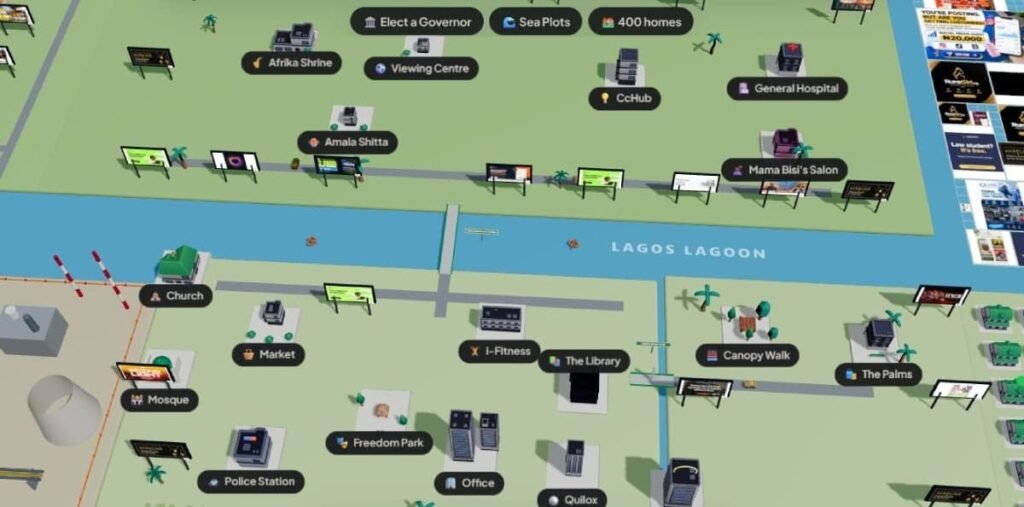
Players encounter places and experiences that feel distinctly Nigerian, from working virtual jobs and managing limited money to visiting locations such as Amala Shitta and Quilox. The game also uses familiar ideas around wealth, struggle, social mobility and the hustle for a better life.
At the beginning, players are placed into different financial circumstances, including “Nepo” and “Lapo”, references to very different starting points in Nigerian society. They then have to make decisions about employment, food, money, housing and social relationships.
That local identity appears to be central to its appeal. Instead of giving Nigerian players another generic virtual world, Lagos Life turns everyday experiences they already understand into gameplay.
The browser-based format also removes one of the biggest barriers associated with gaming. There is no large file to download and no requirement for a gaming console. A phone or computer connected to the internet is enough to participate.
The game has also developed a social dimension. Users do not simply play alone. They share the same digital environment, interact with others and participate in activities that can quickly become talking points on social media.
Also Read: Nigeria and Meta Launch AI Academy to Build the Next Generation of Nigerian AI Talent
From viral game to emerging digital business
Lagos Life’s popularity is now creating an opportunity beyond gaming.
The developer has introduced advertising into the virtual environment, allowing businesses to place advertisements on billboards and other locations inside the game. Techpoint Africa reports that the game’s advertising page lists roadside billboard spaces from ₦5,000 per week, while larger sea plots are offered at higher rates. The game’s live statistics page also carries paid advertising spaces.
This means the virtual city is becoming commercial real estate of its own kind. A business can pay to have its logo and link displayed where players are already spending time.
The model is significant because it gives the developer a way to fund a free product while the audience is still growing. It also demonstrates an increasingly important idea in African technology: local digital products can create value by understanding local audiences rather than simply copying platforms built elsewhere.
Lagos Life also operates an in-game economy involving virtual naira, jobs, rent and property. However, the game’s terms make clear that the virtual currency and digital assets have no real-world value and cannot be cashed out. Real-money top-ups for in-game naira are processed through Bachs, according to the game’s official terms.
That distinction is important as the platform expands and more people begin treating the virtual world as a serious digital community.
Backstory: Lagos Run helped spark the idea
The rise of Lagos Life is closely connected to another Nigerian browser game that went viral days earlier.
Lagos Run, created by Berlin-based Nigerian frontend engineer Opeyemi Adeniran, launched on September 26 and invited users to drive a yellow danfo through Lagos traffic. Its simple concept spread quickly online and demonstrated how a lightweight browser game built around a distinctly Nigerian experience could attract a large audience. Techpoint Africa’s report on the Lagos gaming trend
Rayhamen has credited Lagos Run as part of the inspiration for Lagos Life, building on the momentum created by the earlier game while taking the idea in a different direction. Rather than controlling a vehicle through traffic, players are invited to live inside a shared virtual Lagos.
The reaction has already produced more Nigerian-themed browser games, including projects inspired by Lagos Life and Lagos Run. The trend suggests that developers are beginning to recognise the potential of simple, culturally relevant internet products to move rapidly from side projects into mass online experiences.
For Lagos Life, however, the biggest question is no longer whether people are interested. More than one million players have already answered that.
The real test will be whether the developer can maintain the momentum, protect the game’s economy, manage its growing infrastructure and turn a viral moment into a lasting Nigerian gaming platform.
Also Read: DeepSeek AI: The Revolutionary Chatbot Changing the Game