
African education stakeholders have called on governments and development partners to provide sustainable funding for teachers, warning that education reform will remain difficult to achieve without better working conditions, professional development and adequate support for educators.
The call followed discussions at the Pan-African Conference on Teacher Education (PACTED 2026), held in Eswatini from October 5 to 7, where policymakers, teacher unions, researchers and education experts examined ways to strengthen the teaching profession across the continent.
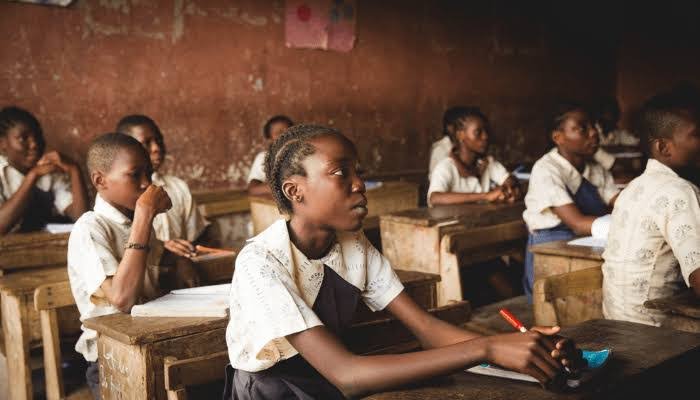
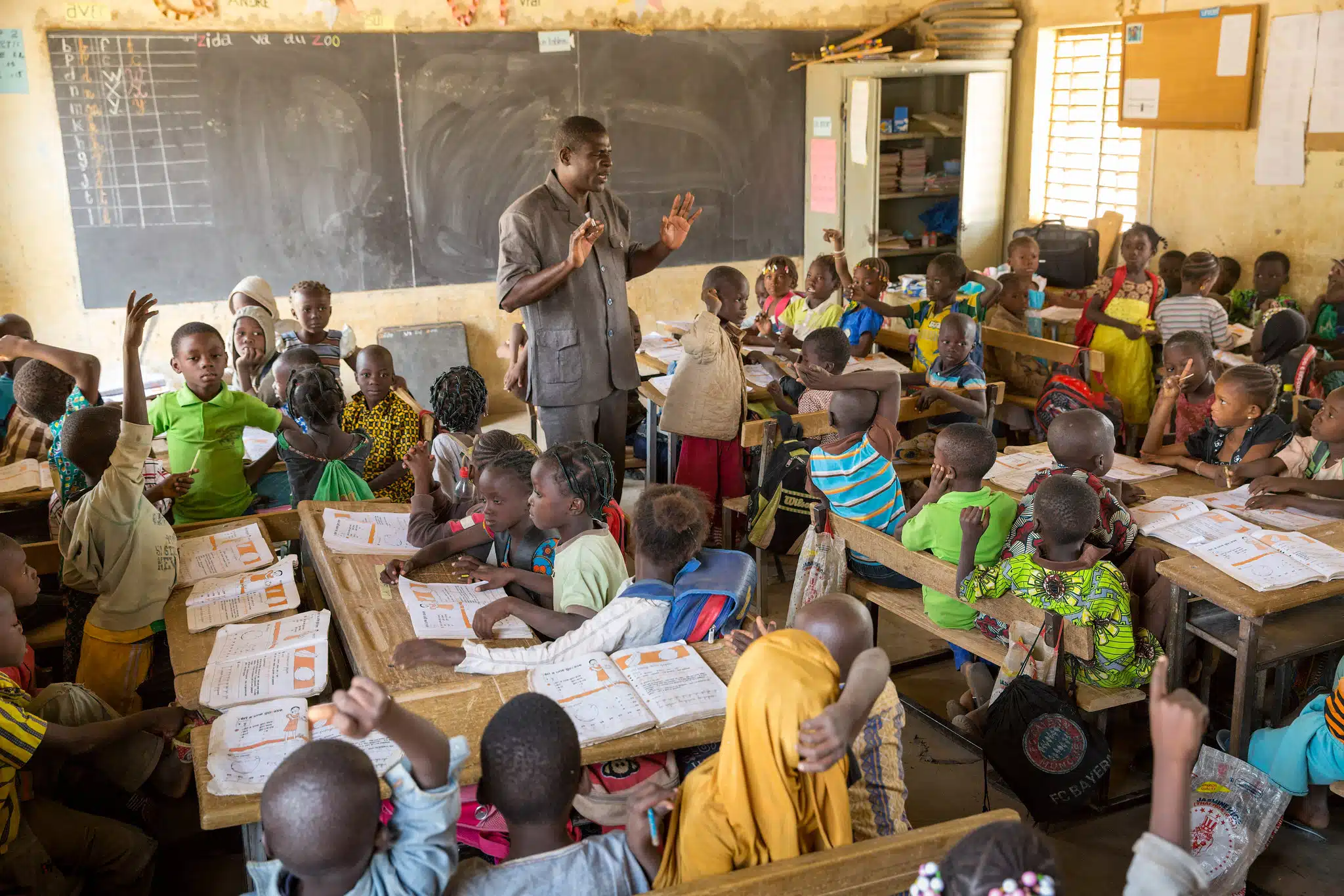
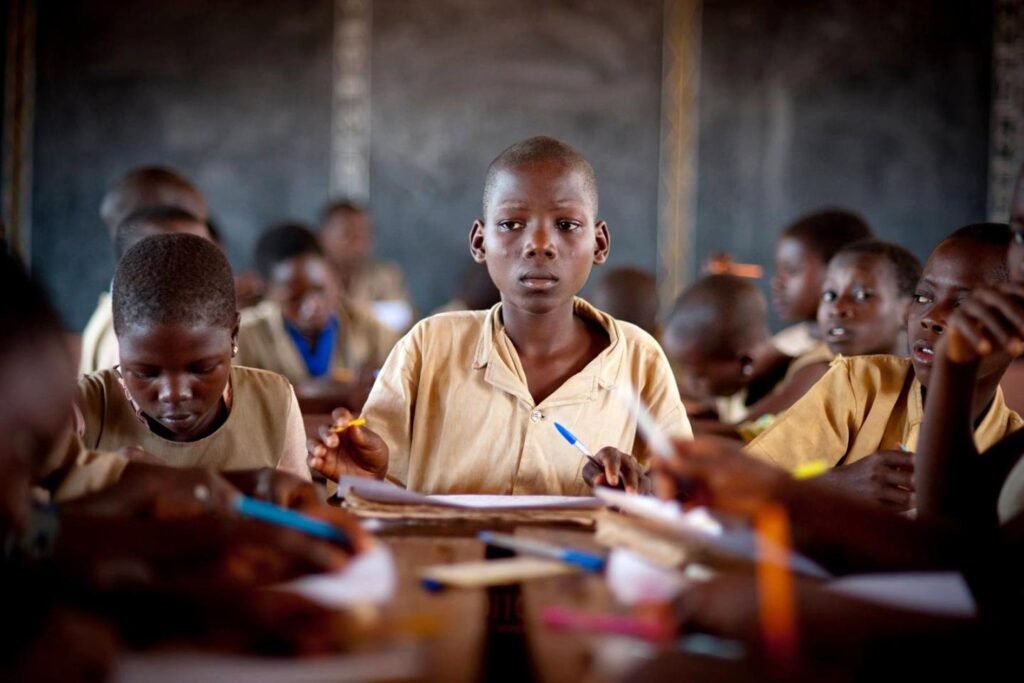
According to Education International Africa, participants highlighted persistent challenges, including teacher shortages, low salaries, heavy workloads, inadequate school infrastructure and limited access to professional training.
They stressed that African governments must treat investment in teachers as a long-term priority rather than a temporary response to education challenges. Without consistent funding, schools may struggle to recruit and retain qualified educators, while learners could continue to face barriers to quality education.
Stakeholders Call for Better Teacher Welfare and Funding
Discussions at the conference focused on the need for predictable education budgets, improved working conditions and stronger support systems for teachers. Participants also called for transparent management of public education resources to ensure that allocated funds translate into measurable improvements in schools.
Teacher recruitment and retention emerged as important concerns. Beyond employing more educators, stakeholders argued that governments must create conditions that encourage qualified teachers to remain in the profession and develop their skills throughout their careers.
Professional development was another key issue. As classrooms and education systems change, teachers require regular training, access to relevant teaching resources and opportunities to improve their professional competence.
The African Union’s conference announcement also identified teacher wellbeing, inclusion, digital transformation and sustainable financing as priorities for strengthening education across Africa.
Also Read: Senate Proposal for Social Media Offices in Nigeria Wins Support from Key Stakeholders
Africa’s Education Reform Depends on Teachers
The conference also examined the changing demands placed on teachers as technology, artificial intelligence and digital learning become increasingly important in education.
Stakeholders emphasised the need to prepare educators to use emerging technologies responsibly and effectively. This requires more than introducing digital tools into schools. Teachers must receive the training, infrastructure and institutional support needed to integrate technology into teaching and learning.
The African Union has also highlighted the importance of professional standards, recognised qualifications and cooperation between countries. These measures are intended to strengthen teacher education, support professional mobility and improve the quality of teaching across the continent.
For countries such as Nigeria, the discussions are particularly relevant as policymakers continue to face questions about teacher welfare, classroom conditions and the implementation of education policies.
In September 2026, UNESCO reported that it had worked with Nigeria’s Federal Ministry of Education and other education agencies to strengthen monitoring of the National Teacher Policy, 2025. The initiative aims to help stakeholders track implementation and assess progress.
Back Story: Why Sustainable Investment Matters
Africa’s teacher shortage has been a longstanding concern. In a 2021 report updated in 2023, UNESCO highlighted projections indicating that sub-Saharan Africa would need to recruit 15 million teachers by 2030 to meet education goals.
The report also stressed the importance of retaining existing teachers, improving working conditions and expanding access to initial and continuing professional development.
These challenges show why funding teacher recruitment alone is insufficient. Education systems also need sustained investment in training, teaching materials, infrastructure and the welfare of educators.
At PACTED 2026, Education International Africa reaffirmed its commitment to working with governments, teacher organisations and development partners to promote quality public education.
The central message from the conference was clear: improving education across Africa requires more than policy announcements. Governments must turn their commitments into consistent funding and practical support that enable teachers to deliver better learning outcomes.
Also Read: Why Artificial Intelligence Is Making This One of the Most Important Eras for Teachers