
African students are becoming an increasingly important voice in the global conversation about artificial intelligence, disinformation and the future of digital education, as policymakers and educators recognise that young people must not only consume new technologies but also understand how they shape the information they receive.
The discussion has become particularly important as generative AI tools become part of everyday learning. Students are using AI to research topics, explain difficult concepts, improve writing and complete academic tasks. At the same time, the same technology can produce misleading information, fabricated images and convincing false narratives at a speed that traditional fact-checking systems may struggle to match.
For African students, the issue goes beyond learning how to operate an AI tool. It increasingly involves understanding when information should be trusted, how algorithms influence what people see online and how AI-generated material can be evaluated before it is shared.
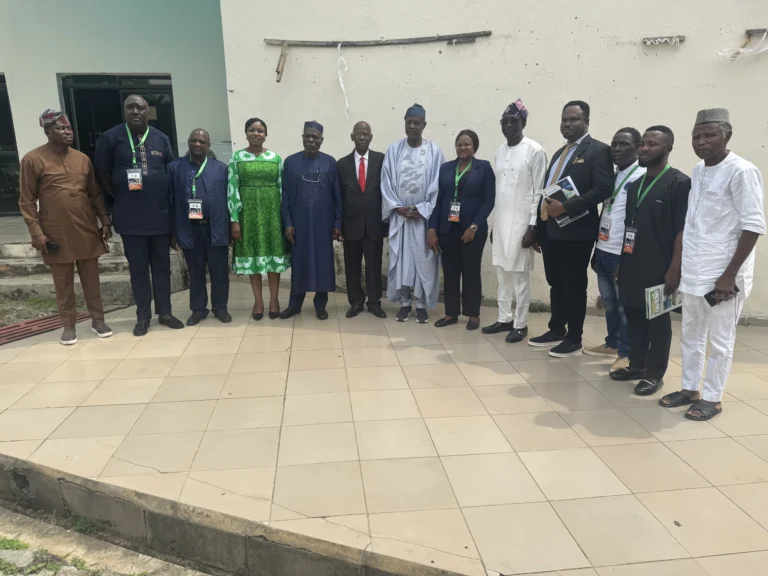
A major step in this direction came in May 2026, when UNESCO and the African Union Commission brought policymakers, media professionals, civil society representatives and African students together in Lusaka, Zambia, to review a proposed African Media and Information Literacy Policy Framework.
The meeting gave students an opportunity to contribute to a policy discussion that will affect how future generations learn to navigate the digital information environment. UNESCO said the framework is intended to strengthen people’s ability to access, assess and responsibly create information and media content while responding to disinformation and rapid digital transformation.
The timing is significant. Artificial intelligence is making the production and distribution of information easier, but it is also making it more difficult for users to determine what is genuine.
Also Read: Global Shortage of AI Teachers Threatens Future Workforce as Demand Surges
Why AI Literacy Is Becoming Essential for African Students
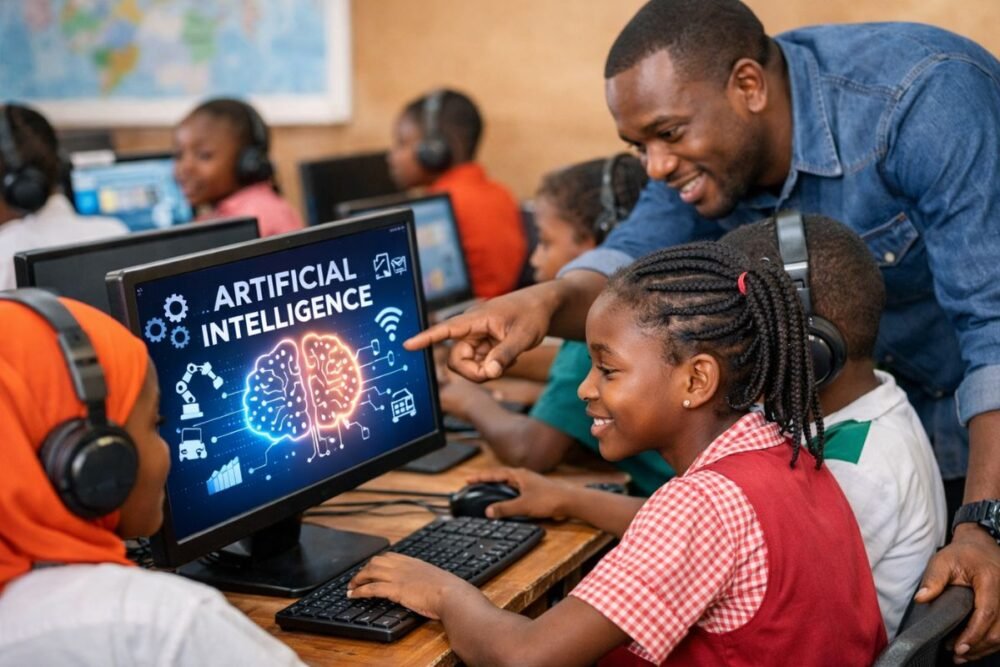
The rapid adoption of AI among African students shows why digital literacy can no longer be treated simply as the ability to operate a computer or use the internet.
A 2026 study involving 1,829 university students across five universities in Zambia found that 96.8 per cent had heard of ChatGPT, while 85.6 per cent had used it. The research also found that students saw practical benefits in AI but remained concerned about issues including unreliable information, academic integrity, privacy and excessive dependence on the technology.
These findings reflect a wider challenge facing universities across Africa. Students are already using AI, whether institutions have developed comprehensive policies or not.
This means education systems have to move beyond simply warning students not to misuse AI. They need to teach them how the technology works, what its limitations are and how to question its output.
That includes checking information against credible sources, recognising manipulated content and understanding that an AI-generated answer can sound convincing while still being wrong.
UNESCO has also highlighted the connection between AI and disinformation, noting that digital literacy must develop alongside the changing technology. Its guidance for educators stresses critical questioning and verification of AI-generated content, particularly because young users may not always have the background knowledge needed to recognise false information.
Back Story: Africa Faces a Major Media Literacy Gap
The African debate around AI and disinformation is taking place against a significant gap in formal media and information literacy education.
According to UNESCO research cited in its 2026 work on the proposed African Media and Information Literacy Policy Framework, only nine of Africa’s 54 countries had integrated aspects of media and information literacy into national curricula. A further 19 countries had largely reduced the concept to digital literacy, leaving areas such as critical thinking, analysis and ethical engagement with information less developed.
This gap matters because access to technology does not automatically create digital intelligence.
A student may be comfortable using TikTok, YouTube, WhatsApp, search engines or AI chatbots without necessarily knowing how to identify manipulated information or verify a sensational claim.
The challenge is even more pressing as AI becomes more accessible. Google said in June 2026 that it was working with the African Union Commission to expand AI training to universities across all 55 AU member states, with a target of training at least 150,000 students and faculty by 2027.
The development suggests that AI education is gradually moving from isolated technology programmes into a broader conversation about the future of learning across the continent.
Also Read: Why Women Educators Could Shape Nigeria’s Next Digital Literacy Drive
What African Universities Must Do Next
The growing participation of African students in conversations about AI, misinformation and digital literacy should push universities to rethink how they prepare young people for the digital economy.
Students need more than access to AI tools. They need the confidence to question those tools.
Universities can introduce AI literacy into existing courses, teach students how to verify AI-generated information and establish clearer rules around responsible academic use. Lecturers also need training so that they can guide students rather than simply police their use of technology.
There is also a strong case for connecting digital literacy with media literacy. A student who understands how algorithms work, how online content is amplified and how AI can generate convincing false information is better positioned to participate responsibly in society.
For Africa, this is not only an education issue. It is also a question of democratic participation, employment and economic opportunity.
As AI becomes embedded in workplaces and public life, today’s students will eventually become the professionals, educators, journalists, entrepreneurs and policymakers making decisions about how the technology is used.
The goal should therefore not be to keep African students away from AI. It should be to ensure they are educated enough to use it intelligently, question it critically and help shape the rules governing it.
Africa’s students are not merely preparing for an AI-powered future. They are already living in it.