
Nigeria’s security challenge is entering a period where better intelligence could be as important as boots on the ground. Experts are calling for wider use of satellite technology, artificial intelligence and geospatial data to help security agencies detect threats earlier.
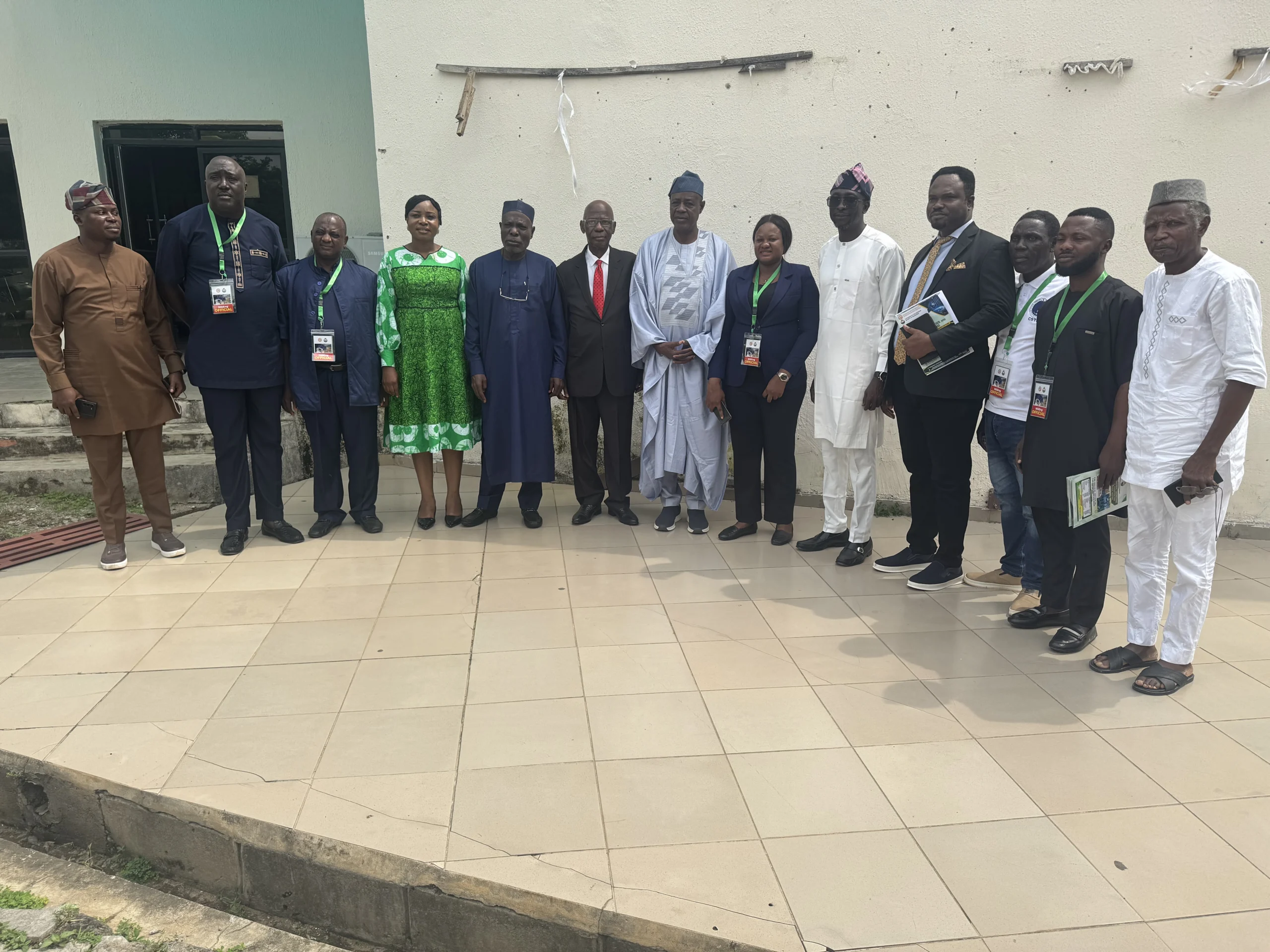
The call was made in Abuja at the 10th retired Brig.-Gen. Michael Agu Annual Lecture organised by the Nigerian Institution of Space Engineers. The event examined how reconnaissance satellites can support efforts against insurgency and criminality facing Nigeria.
Earlier this year, the National Space Research and Development Agency said four new satellites were being developed to improve Earth observation, surveillance and national security. The programme is expected to include three Earth observation satellites and one Synthetic Aperture Radar satellite, which can collect imagery at night and under cloudy conditions.
Satellite data could improve security intelligence
Dr Emeka Ogbuju, Dean of the School of Computing at Miva Open University, said satellite-derived information becomes more valuable when combined with modern computing tools. He explained that Geographic Information Systems, artificial intelligence and computer vision can turn satellite imagery into information that security officials can use.
According to Financial Trust’s report Financial Trust report on satellite technology and insecurity, Ogbuju highlighted image classification, object detection and change detection as important methods for extracting useful information from satellite images. These tools can help security teams identify unusual activities, monitor changes and understand geographical conditions around areas of concern.
Satellite imagery can also be combined with human intelligence, signal intelligence, open-source information and other measurements to produce a fuller picture of what is happening on the ground. Such integration could improve early warning and threat assessment.
That matters in Nigeria, where insecurity often occurs across forests, rural settlements, waterways and difficult terrain. The Nigerian Society of Engineers also said satellite resources could support surveillance, reconnaissance, environmental monitoring and the protection of critical national assets.
Also Read: How AI Could Help Nigeria Detect Disease Outbreaks Before They Become Epidemics
AI should support human decision-making
One of the strongest points raised at the Abuja lecture was the need to use AI carefully. Ogbuju said artificial intelligence should function as an analytical assistant rather than an autonomous decision-maker.
AI can process large volumes of satellite images quickly, identify patterns and draw attention to changes that may require investigation. But decisions about arrests, military action or the use of force should remain under human control and within Nigerian law.
Ogbuju also identified institutional data silos as a problem. Agencies may hold valuable information separately, making it difficult to build a shared understanding of a threat. He called for secure and interoperable systems that can connect relevant datasets while protecting privacy and cybersecurity requirements.
Nigeria has already signalled an intention to build stronger technology around security. NASRDA Director-General Matthew Adepoju said in February that the agency had AI-enabled monitoring systems and was working towards deploying four new satellites to strengthen surveillance and Earth observation.
Back Story
Nigeria’s push to use satellites for security is not new, but the latest discussions show a growing emphasis on combining space technology with AI and other forms of intelligence. NIGCOMSAT has also linked its planned NIGCOMSAT-2A and NIGCOMSAT-2B satellites to improved security communications and surveillance, particularly in remote areas.
Recent developments in Kogi provide a practical example. On October 8, 2026, the state’s Security Adviser, Commander Jerry Omodara, said Kogi was using satellite intelligence, local data and geographical information to strengthen efforts against kidnapping, terrorism and other crimes. He said the objective was to turn collected data into actionable intelligence that supports prevention.
For Nigeria, the real test will not be the number of satellites alone, but whether agencies can translate satellite imagery, AI analysis and local intelligence into timely decisions. That will require trained personnel, reliable infrastructure, secure data sharing and sustained investment.
With insecurity across different parts of the country, smarter surveillance is increasingly relevant. Satellite technology and AI cannot replace security personnel or community intelligence, but they can give decision-makers a clearer view of where risks are emerging and how resources should be deployed for national security.
Also Read: Lagos Deepens AI and Digital Education Push for Tech-Driven Classrooms