
The Joint National Public Service Negotiating Council (JNPSNC), representing Nigerian public sector workers, has reiterated its intention to launch a three-day warning strike starting October 2, 2026, if the Federal Government fails to address its demands regarding fuel costs, wage awards, and minimum wage negotiations.
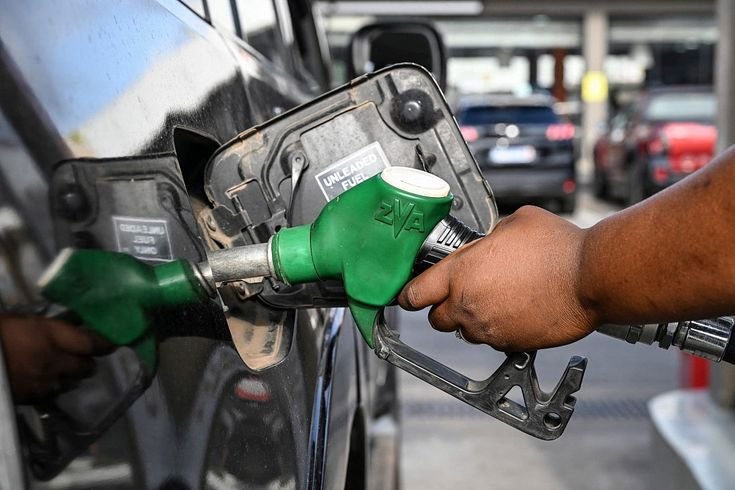
Comprising eight public sector unions, the council set a September 30 deadline for the government to reduce the pump price of Premium Motor Spirit (PMS) to ₦500 per liter, approve an immediate wage award, and initiate talks for a new national minimum wage set at a minimum of ₦500,000.
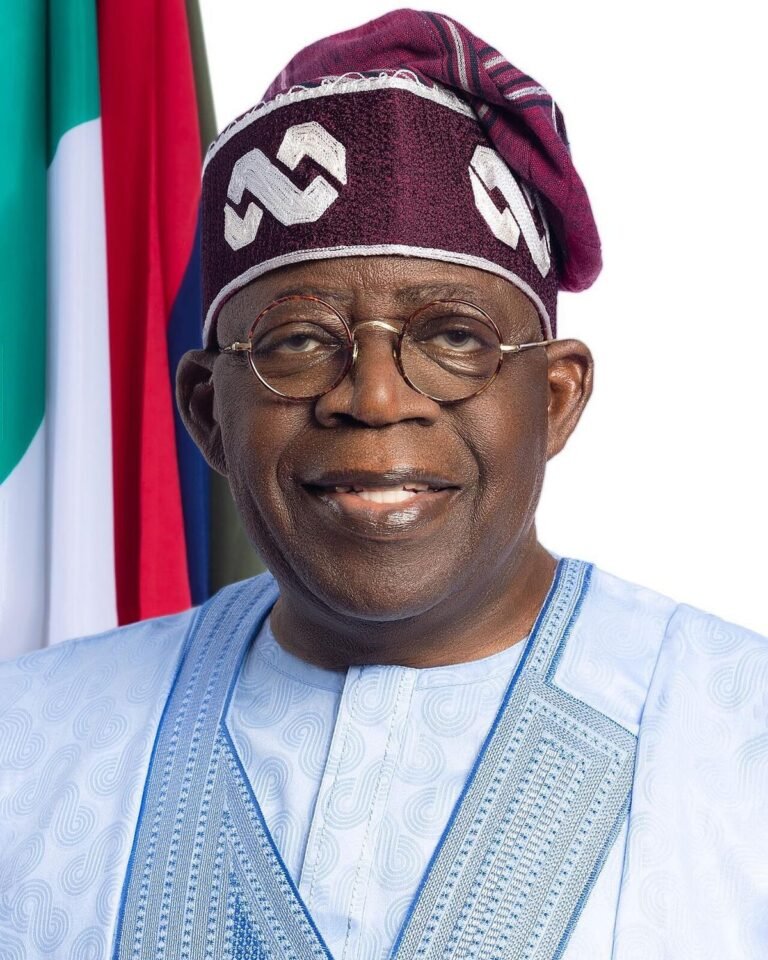
The JNPSNC stated that it has mobilized public service employees nationwide to execute the warning strike should the Federal Government fail to address the grievances detailed in its letter to President Bola Ahmed Tinubu.
In the September 21 dispatch to the President, the council demanded an immediate reduction in fuel prices, the approval of a wage award, and the prompt initiation of negotiations for a revised national minimum wage.
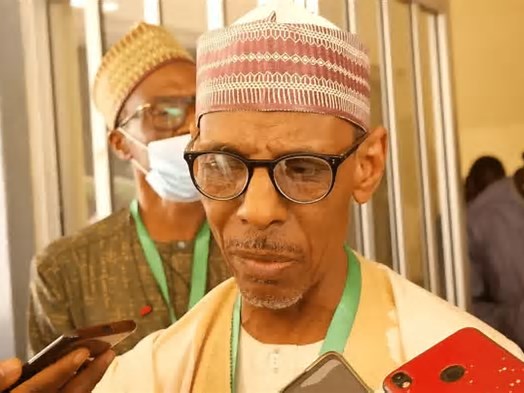
Reaffirming the union’s stance in a statement issued Tuesday, Gbenga Olowoyo—General Secretary of the Nigeria Civil Service Union and National Secretary of the JNPSNC—emphasized that the September 30 deadline remains firm and non-negotiable.
On the demand for a wage award, the council said, “The Federal Government should urgently approve a wage award for Nigerian workers to cushion the effects of the prevailing harsh economic conditions being experienced by workers, their dependants, and vulnerable Nigerians.”
Additionally, the council further urged the President to use his Independence Day address to respond to the issues raised by the workers.
Backstory…
The planned October strike is the latest escalation in Nigerian workers’ long-running struggle over the cost of living following the removal of the petrol subsidy in May 2023.
The pressure intensified again in September 2026, when petrol prices climbed to around ₦1,430 per litre in major urban centres, according to the Nigeria Labour Congress.
The union argued that the increase was further eroding workers’ wages because higher transport costs feed into the prices of food and other essential goods.
Read Also: N1,400/Litre Fuel-Atiku Demands Higher Minimum Wage For Nigerian Workers