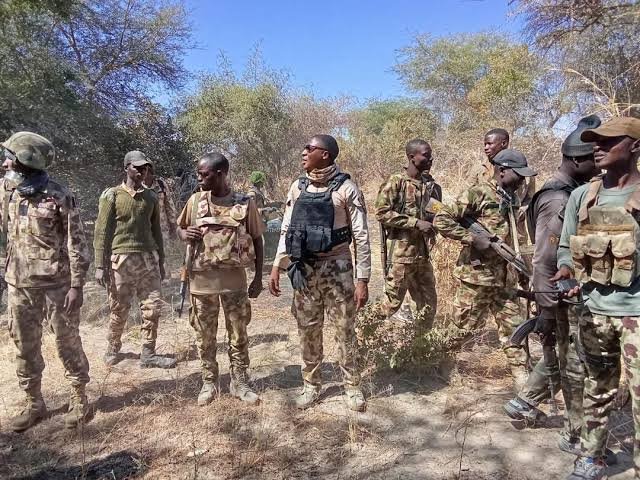

The attack on an All Progressives Congress (APC) campaign convoy in Kwarge, Balanga Local Government Area of Gombe State, has drawn attention to a growing challenge for Nigeria’s political parties: how to conduct campaigns in communities where residents may not support their candidates.
The confrontation occurred on Wednesday, November 18, 2026, when the APC campaign team travelled from Cham to Bambam as part of its political mobilisation activities ahead of the 2027 general elections.
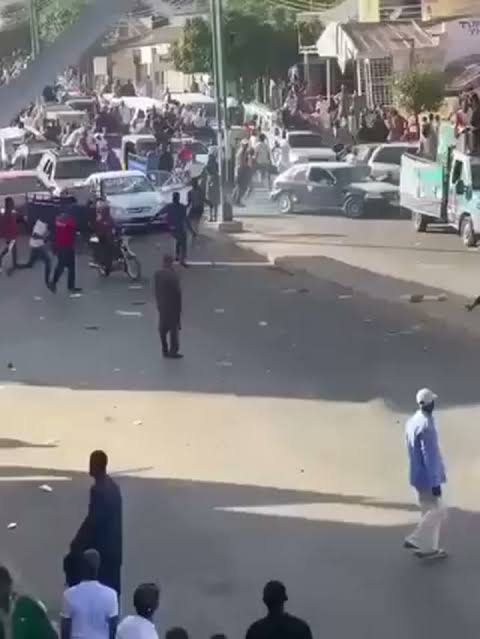
According to PUNCH, some youths reportedly came out to chant “Bamayi” as the convoy approached. The expression, which communicates rejection or disagreement, reportedly preceded a confrontation between the youths and individuals accompanying the campaign team.
Five Gombe Line buses conveying APC supporters were reportedly damaged, while several people sustained injuries. No deaths were reported. However, the identities of those responsible and the precise circumstances that caused the confrontation remained unclear in the initial report.
Also Read: JUST IN: Benue State Government Denies Knowledge of Peter Obi’s Visit
The right to reject a political party
One important issue arising from the incident is the distinction between political disagreement and political violence.
Residents have the democratic right to reject a political party, criticise its candidates and communicate dissatisfaction with its policies. Equally, political parties have the right to organise lawful campaigns and present their programmes to voters.
The chanting of “Bamayi”, by itself, should not automatically be interpreted as evidence of criminal conduct. A political slogan expressing rejection is not necessarily an act of violence.
However, when disagreement develops into physical confrontation, the situation changes. Attacking people, damaging vehicles or threatening campaign supporters undermines the freedom of political participation.
The available reporting does not establish whether the confrontation was deliberately organised, whether there was an earlier disagreement or who initiated the physical violence. Those questions require investigation rather than political speculation.
What Nigeria’s Electoral Act says about campaign violence
Nigeria’s Electoral Act 2026 provides a legal framework for peaceful political participation.
Section 95 addresses the conduct of political parties and their supporters during rallies and processions. Section 96 prohibits certain conduct during political campaigns, including abusive and inflammatory language capable of provoking violent reactions.
More directly, Section 97 prohibits political parties, candidates, individuals and groups from threatening others with force or violence to compel or discourage political support. Violations attract penalties under the Act.
These provisions matter because democratic campaigning should allow competing political interests to coexist without intimidation.
The responsibility also extends to security agencies, which must respond to credible threats, investigate attacks and ensure that political activities can take place peacefully.
Why the incident deserves wider attention
The Gombe confrontation should concern political stakeholders beyond the immediate APC campaign team.
If residents become afraid to express disagreement with visiting political groups, democratic participation suffers. Similarly, if campaign teams cannot safely engage communities with opposing political preferences, political competition becomes increasingly difficult.
Political leaders must therefore discourage supporters from interpreting criticism as an invitation to confrontation.
Security agencies should also establish what happened in Kwarge, identify those responsible where evidence permits and communicate the outcome of their investigations.
Back Story: Earlier attack on a PDP convoy
The latest incident comes after another reported attack on the convoy of Peoples Democratic Party (PDP) governorship candidate Isa Pantami in the Jekadafari area of Gombe on November 11, 2026.
The Gombe State Police Command confirmed the incident and said investigations were ongoing, although no arrests had been made at the time of its November 12 statement. Amnesty International also condemned the attack and called for accountability. Punch Newspapers+1
The two incidents involved different campaign groups and circumstances. There is no established evidence linking them or demonstrating that the same individuals were responsible.
Nevertheless, their occurrence within the same state during preparations for the 2027 elections makes preventive security and political restraint particularly important.
Ultimately, political parties must earn public support through their policies, candidates and engagement with voters. Nigerians must remain free to support or reject any political platform without fear of violence.
Also Read: PDP Expels Two Gombe Party Chieftains Over Alleged Anti-Party Activities