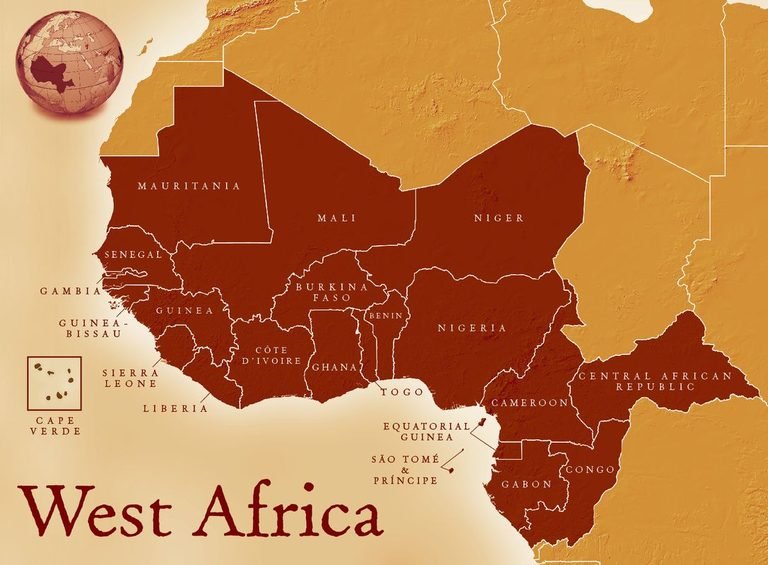
Nigeria has taken a giant leap forward in its quest to become a global green energy hub. Specifically, the federal government officially opened a brand new 6,000 metric tonne daily capacity lithium processing plant in Kaduna State.
This massive facility stands as the largest of its kind across the entire country. Consequently, industry experts are cheering the development as a bold move to keep raw mineral wealth within our borders while creating high-value manufacturing jobs for our vibrant youth population.
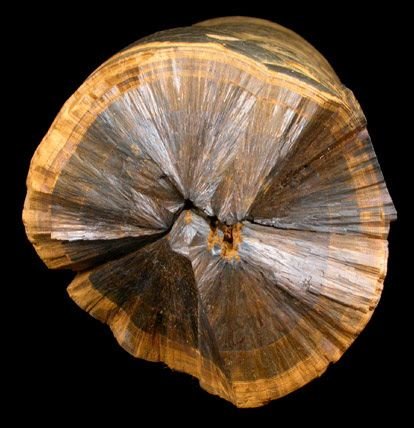
The Backstory: Moving Away From Raw Resource Exploitation
To truly appreciate why this processing factory matters, we must look at how Africa has historically traded its natural resources.
Originally, developing nations followed a painful economic pattern of exporting raw, unrefined minerals to foreign countries for cheap prices. These foreign buyers would then process the materials, build high-tech items, and sell them back to us at extreme premiums. For generations, local communities saw their lands mined but never enjoyed the real wealth generated by the final products.
Therefore, the federal government introduced a strict solid minerals policy that bans the direct exportation of raw lithium ore. This new facility represents the direct result of that protective economic vision.
Building Global Partnerships for Local Economic Industrialisation
The grand launch ceremony brought together top state executives, international investors, and local community leaders.
The Minister of Solid Minerals Development, Dr. Dele Alake, performed the official tape-cutting ceremony alongside Kaduna State Governor, Uba Sani. This high-tech plant is the result of a successful partnership with a prominent Chinese firm, Ming Xin Mineral Separation Nigeria Limited.
During his speech, Dr. Alake explained that the factory marks a turning point in national industrialisation. The plant will process raw lithium into high-grade concentrates that are ready for battery production. Furthermore, the private investors confirmed that this massive installation will provide direct employment opportunities for over 3,000 local citizens. Thus, corporate collaboration is bringing tangible progress to the region.
Blending Automated Media Output with Human Strategic Evaluation
Reporting on significant industrial infrastructure developments requires a careful balance between digital data handling and human news editing.
Conclusively, while advanced software applications can easily compile industrial output tables, they cannot communicate the genuine pride of a community hosting a major global factory. Only an experienced human editor can explain how a refined mineral chunk transforms into a reliable paycheck for a local engineering graduate. Moving forward, maintaining steady electricity and securing the surrounding trade routes will be critical to sustain this massive processing operation. Therefore, state authorities must continually support this local industrial ecosystem.
Citations: Ministry of Solid Minerals Official Launch Bulletin / Nairametrics Industrial Report (July 3, 2026): “FG inaugurates 6,000 metric tonne lithium processing plant, largest in Nigeria”