
Israeli voters are preparing for what many consider one of the most critical elections in the nation’s history.
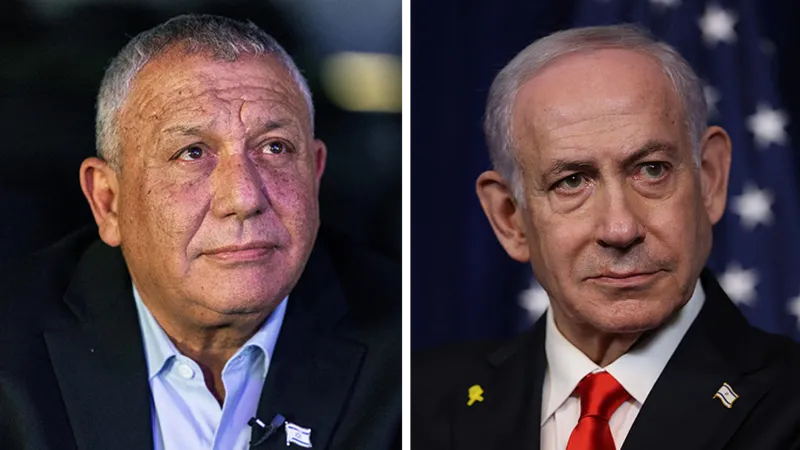
Friday polling shows incumbent Prime Minister Benjamin Netanyahu and former military leader Gadi Eisenkot locked in a virtual tie for the prime ministership.
Projections indicate neither political bloc will secure the 61 seats required to form a majority government, setting up potential weeks or months of intense coalition bargaining.
The campaign focus centers on opposition criticism of Netanyahu over the massive security failures surrounding the October 7 Hamas-led attacks, which resulted in approximately 1,200 deaths and the abduction of 251 hostages into Gaza.
Opposition leaders have demanded an independent commission of inquiry into the October 7 attacks. Netanyahu continues to resist the proposal, claiming an inquiry panel would show bias against him.
Despite opposition attacks, Netanyahu again frames his campaign around his “Mr. Security” persona, citing his close relationship with U.S. President Donald Trump and claiming strategic victories across Middle Eastern battlefronts.
Israel’s proportional representation system historically forces parties into coalition governments, often producing unexpected political alliances. However, tight polling and clearly drawn party boundaries make this election particularly volatile.
For Netanyahu, a titan of Israeli politics who first served as prime minister in 1996, a return to power will hinge on another alliance with the far-right and ultra-Orthodox parties that make up his current governing coalition – the most right-wing in Israel’s history.
Threats to democracy under Netayanhu
The opposition alliance also points to Netanyahu’s ongoing corruption trial—where he denies all charges—and his contentious judicial reform plans, which triggered massive street protests prior to the October 7 attacks, as severe threats to democracy.
A Sunday report by Israel’s Channel 12 stated that Netanyahu pushed for last-minute military action against Iran prior to the election, though his own military chief, Eyal Zamir, opposed the plan. CNN reported the following day that Netanyahu also tried to persuade U.S. President Donald Trump to launch new strikes on Iran, but Trump rejected the proposal. Netanyahu denied both reports.
In the final days of his campaign, Netanyahu sparked controversy by sharing an AI-generated image of a nuclear bomb striking Tel Aviv, declaring that only he can defend Israel “if the Iranians acquire nuclear weapons.” Eisenkot dismissed Netanyahu’s strategy as “hysterical.”
Backstory…
Israel election comes amid deep divisions over national security, Prime Minister Benjamin Netanyahu’s leadership and the future of the country’s democratic institutions.
It is the first national election since Hamas’s October 7, 2023, attack, which exposed major security failures and triggered Israel’s prolonged military campaign in Gaza and subsequent regional conflicts.
Read Also: Israel Election Underway: What to Expect