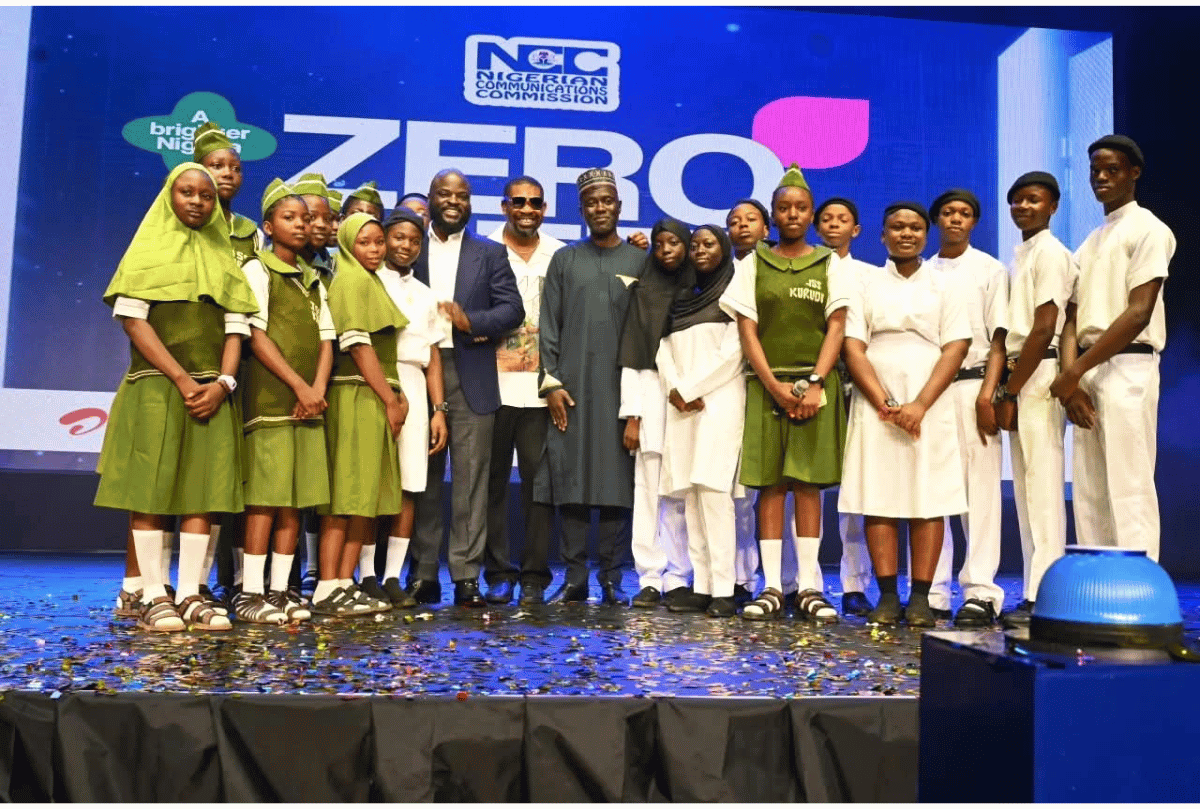

Telecommunications operators in Nigeria have backed a new Federal Government initiative that will give eligible students free access to selected educational websites and digital learning platforms from October 1, 2026.
The programme, led by the Nigerian Communications Commission (NCC) in collaboration with the Federal Ministry of Education and telecommunications operators, will provide up to 100MB of zero-rated data daily for approved educational content.
The Association of Licensed Telecommunications Operators of Nigeria (ALTON), which represents telecom operators, said the initiative could help expand access to digital education while supporting Nigeria’s wider digital economy ambitions. In a statement signed by its Chairman, Gbenga Adebayo, and Publicity Secretary, Damian Udeh, the association said connectivity now plays a role far beyond ordinary communication, including education, innovation, entrepreneurship and economic participation.
The distinction is important. Students are not being given unrestricted free internet. The 100MB allowance is intended specifically for approved educational platforms and content. Data used on those platforms will not be deducted from a beneficiary’s ordinary data balance.
The first phase is expected to cover about five million learners in public senior secondary schools and public tertiary institutions.
Back Story
The zero-rated education programme is the result of several months of discussions between the regulator, government agencies, telecom operators and other stakeholders.
The NCC had earlier published a consultation paper seeking views on a framework for zero-rated access to educational platforms and content. The commission’s public consultation, scheduled for July, was designed to examine how such a system could operate while addressing issues around eligibility, sustainability, competition and consumer protection.
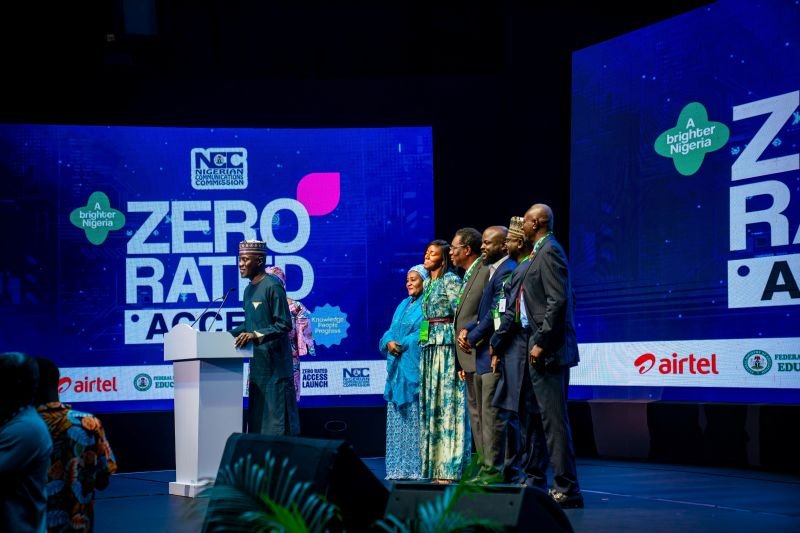
The programme was subsequently launched in Abuja on September 10, with the October 1 commencement date announced by Education Minister Tunji Alausa.
The initiative also follows an earlier push from the NCC Board Chairman, Idris Olorunnimbe, for educational resources to be made available without data charges. The policy eventually moved from advocacy and consultation into a formal framework involving the NCC, Federal Ministry of Education, Federal Ministry of Communications, Innovation and Digital Economy, ALTON and participating operators.
According to the NCC, several categories of educational services can qualify for inclusion. These include learning management systems, digital libraries, educational repositories, teacher development platforms, and technical and vocational education resources. Platforms must satisfy relevant requirements covering cybersecurity, data protection, consumer protection and child protection.
Also Read: Massive Tariff Hike: NCC Approves 50% for MTN, Airtel
How the Free Education Data Will Work
Under the operator-sponsored model, participating mobile network operators will provide eligible users with up to 100MB of educational data every day.
That works out to about 700MB every week, approximately 3GB each month, and as much as 36.5GB over a year if the full daily allowance is used consistently.
For students, the practical benefit is that accessing approved learning materials will not consume the data they have purchased for other activities.
A learner preparing for examinations, for example, could use an approved digital library or learning management system without having to choose between downloading study materials and preserving data for messaging or other essential online activities.
The government has estimated the value of the 100MB daily provision for about five million students at roughly ₦15 billion monthly and ₦180 billion annually. The figure represents the estimated value of the connectivity being provided, not cash being paid directly to students.
The NCC has also stressed that the 100MB limit is deliberate. According to Executive Vice Chairman Aminu Maida, keeping a defined cap is intended to make the programme sustainable while stakeholders monitor actual usage.
The commission also wants participating platforms to reduce unnecessary data consumption so that more of the allowance goes towards actual educational content.
What Telcos’ Support Means for Digital Education
ALTON’s backing gives the programme an important industry component because telecom operators are central to delivering the zero-rated access.
MTN Nigeria, Airtel Nigeria and Globacom were identified among the operators supporting the initiative, while industry representatives have committed to its implementation and sustainability.
For Nigeria’s education system, the bigger issue is what happens after the announcement.
Free access to approved platforms could make a meaningful difference for students who already own suitable devices and live in areas with reliable network coverage. But the intervention does not by itself solve the wider digital education gap. Students still need smartphones or computers, electricity, adequate network coverage and useful educational content.
The NCC says it will monitor the programme using indicators including platform usage, data consumption, service availability, network performance, consumer complaints and compliance with the relevant rules. The commission has also said the list of approved platforms can grow as the programme develops.
That monitoring will be particularly important because October 1 will mark the beginning of implementation rather than the end of the policy process.
If the system works as designed, a student will be able to open an approved educational platform, study or conduct research and do so without watching their regular data balance disappear. For millions of Nigerian learners, that could remove one of the everyday costs standing between them and online education.
The immediate test, therefore, will be whether the promised access reaches the intended students consistently and whether the available educational platforms provide enough value to make the 100MB daily allowance genuinely useful.
Nigeria’s telecom operators have now indicated that they are ready to play their part. From October 1, students will begin to show whether the policy can translate that industry commitment into practical learning opportunities.
Also Read: Why Online Universities Could Become Nigeria’s Answer to the Growing Demand for Higher Education