
Satellite internet is emerging as a potential solution to one of Africa’s persistent education challenges: unequal access to digital learning resources. For students in remote communities, where broadband cables and mobile network coverage remain limited, satellite technology could provide access to online classrooms, educational videos, digital libraries and other learning materials.
The opportunity is particularly relevant to Nigeria, where differences in infrastructure between urban centres and rural communities continue to affect access to quality education. While students in major cities may have access to internet-connected schools and digital devices, their counterparts in underserved communities often struggle with poor connectivity, unreliable electricity and the cost of mobile data.
Satellite internet could help narrow this gap by connecting schools that conventional telecommunications infrastructure has failed to reach. Unlike fibre-optic broadband, which requires physical cables, satellite services can deliver connectivity to remote locations without waiting for extensive ground infrastructure to be installed.
According to the International Telecommunication Union (ITU), advances in satellite communications, including low-Earth orbit satellite systems, are creating new opportunities to extend internet access to underserved populations. Its 2026 report on satellite connectivity and underserved communities examines how countries, including Nigeria, Kenya and South Africa, are using satellite technology to address connectivity challenges.
For African schools, the potential benefits extend beyond browsing the internet. Teachers could access updated teaching materials, students could develop digital skills, and schools could introduce online learning tools that are difficult to use without a reliable connection.
Also Read: Experts Push Satellite Technology, AI to Strengthen Nigeria’s Fight Against Insecurity
How Satellite Connectivity Could Transform Digital Learning
A reliable internet connection can change what is possible inside a rural classroom. Teachers can supplement conventional lessons with educational videos, online simulations, interactive exercises and resources from international learning platforms. Students can also become familiar with digital tools that are increasingly important for further education and employment.
A practical example can be found in Kenya, where a programme involving Starlink, Grow X Education and the Centre for Mathematics, Science and Technology Education in Africa connected 30 schools across 30 districts in 2026. According to Space in Africa’s report on the initiative, the project reached more than 32,000 students and approximately 1,000 teachers.
The initiative demonstrates how satellite services can extend internet access to schools outside well-connected urban areas. However, providing a connection is only the first step. Schools also need computers or tablets, trained teachers, appropriate educational content and enough electricity to operate their equipment.
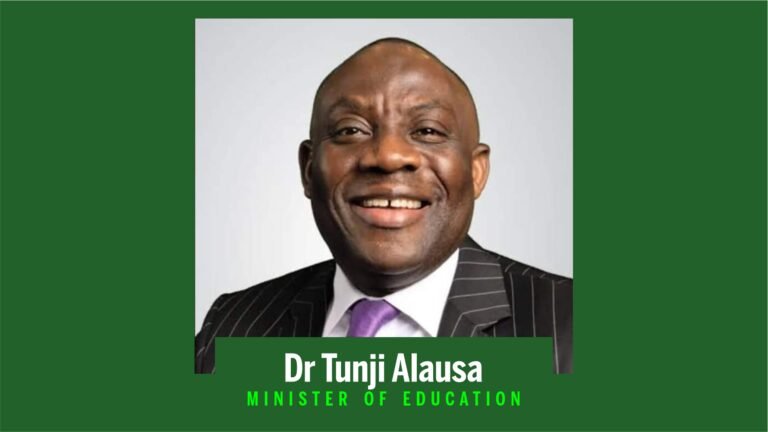
Nigeria is also considering connectivity as part of its wider digital education strategy. In March 2026, the Federal Ministry of Education announced plans to expand internet access across the country’s education system, with satellite technology included among the options for reaching underserved areas. The government’s school connectivity announcement also highlighted the importance of broadband infrastructure and telecommunications towers.
For rural Nigerian schools, combining satellite internet with solar power and shared computer facilities could provide a more practical route to digital learning than relying on mobile networks alone.
The Cost, Electricity and Device Challenges
Despite its potential, satellite internet is not an automatic solution to Africa’s digital education gap. Equipment, installation and recurring subscription charges can be expensive for schools operating on limited budgets. Governments, development organisations and private-sector partners may therefore need to support initial deployment and long-term maintenance.
Electricity is another major concern. A school may have a functioning satellite connection but remain unable to use it consistently if there is no reliable power supply. Solar panels and battery storage could help address this problem, although they introduce additional installation and maintenance costs.
Access to devices is equally important. A 2026 study of Starlink adoption in Kenyan schools, reported by ITWeb Africa, found that connectivity did not automatically translate into widespread student access to online resources. The findings highlighted limited device availability as a major barrier, alongside practical implementation challenges.
This is a warning for policymakers: installing satellite equipment does not guarantee better learning outcomes. Schools must also ensure that students can use the connection, teachers know how to integrate digital resources into lessons, and children are protected from harmful online content.
Governments should also compare satellite services with available alternatives, including mobile broadband, fibre-optic networks and community Wi-Fi. The most suitable approach will depend on location, cost, reliability and the number of learners who need access.
Back Story: Africa’s Push to Connect Schools
Efforts to expand school connectivity are gaining momentum across the continent. UNICEF and the International Telecommunication Union’s Giga initiative work with governments and technology providers to map schools, improve connectivity planning and bring internet access to educational institutions.
In September 2026, UNICEF announced a procurement initiative inviting 96 companies to compete to provide connectivity, on-site networking and solar power solutions for schools and health facilities across all 54 African countries. The programme could support access to connectivity for a large number of underserved institutions. Details are available in UNICEF’s announcement on connecting schools and health facilities.
For Nigeria, the next challenge is turning infrastructure plans into affordable, dependable classroom access. Satellite internet can play an important role, particularly in isolated communities, but its success will depend on sustained funding, suitable devices, teacher training and effective implementation.
Ultimately, the goal is not simply to connect rural schools to the internet. It is to ensure that children in those schools can use that connection to learn, build digital skills and compete for future opportunities, regardless of where they live.
Also Read: How Mobile Learning Could Transform Education in Rural Africa