
Nearly one million Nigerian students are benefiting from free digital learning under a partnership involving the United Nations Children’s Fund (UNICEF), Airtel Africa and the Federal Government, as efforts intensify to make education more accessible and prepare young people for a technology-driven future.
The initiative has connected nearly 2,000 schools across Nigeria and reached more than 20,000 teachers, with over 19,000 educators receiving digital literacy training. It also provides free access to selected educational platforms, helping students learn without the usual mobile data charges.
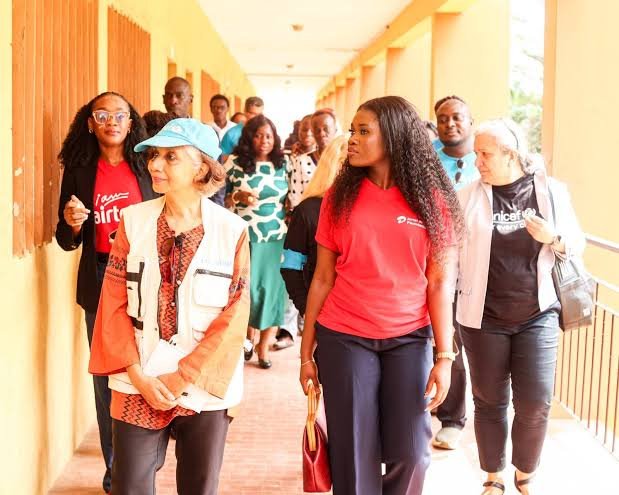
According to Vanguard, the programme’s impact was highlighted during a joint visit by Airtel Africa and UNICEF representatives to schools and youth development programmes in Lagos, where students demonstrated how technology is supporting classroom learning and building practical skills.
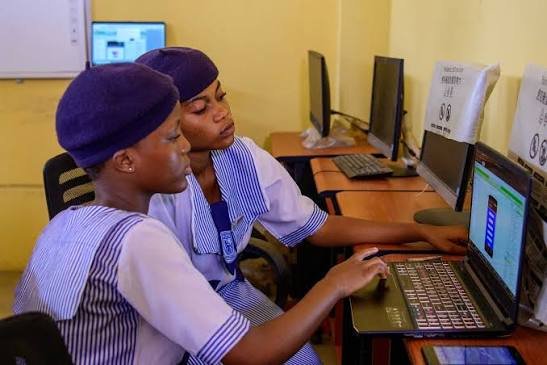
The delegation visited Government Senior College in Agege, St George’s U.N.A. Primary School in Ipaja and Yaba College of Technology. Students and teachers demonstrated the use of digital learning tools, including artificial intelligence, while young people showcased skills acquired through employment and entrepreneurship programmes.
The development comes as Nigeria continues to address educational inequalities, high learning costs and limited access to reliable internet services. For many families, the opportunity to access learning materials without paying additional data charges could make digital education more affordable.
Also Read: Airtel Africa and UNICEF Extend Free Digital Learning to Nearly 2,000 Nigerian Schools
Free Learning Platforms and Digital Skills Open New Opportunities
A major component of the partnership is the removal of data costs from selected educational platforms through a service known as zero-rating. This allows eligible Airtel users to access designated websites and learning resources without incurring standard mobile data charges for that access.
The platforms include the Nigeria Learning Passport, the Federal Ministry of Education’s Inspire and Ignite platforms, the Digital National Education Management Information System and the Youth Agency Marketplace, also known as YOMA.
According to UNICEF Nigeria, the Nigeria Learning Passport alone has recorded more than 2.5 million registered students and nearly 100,000 registered teachers.
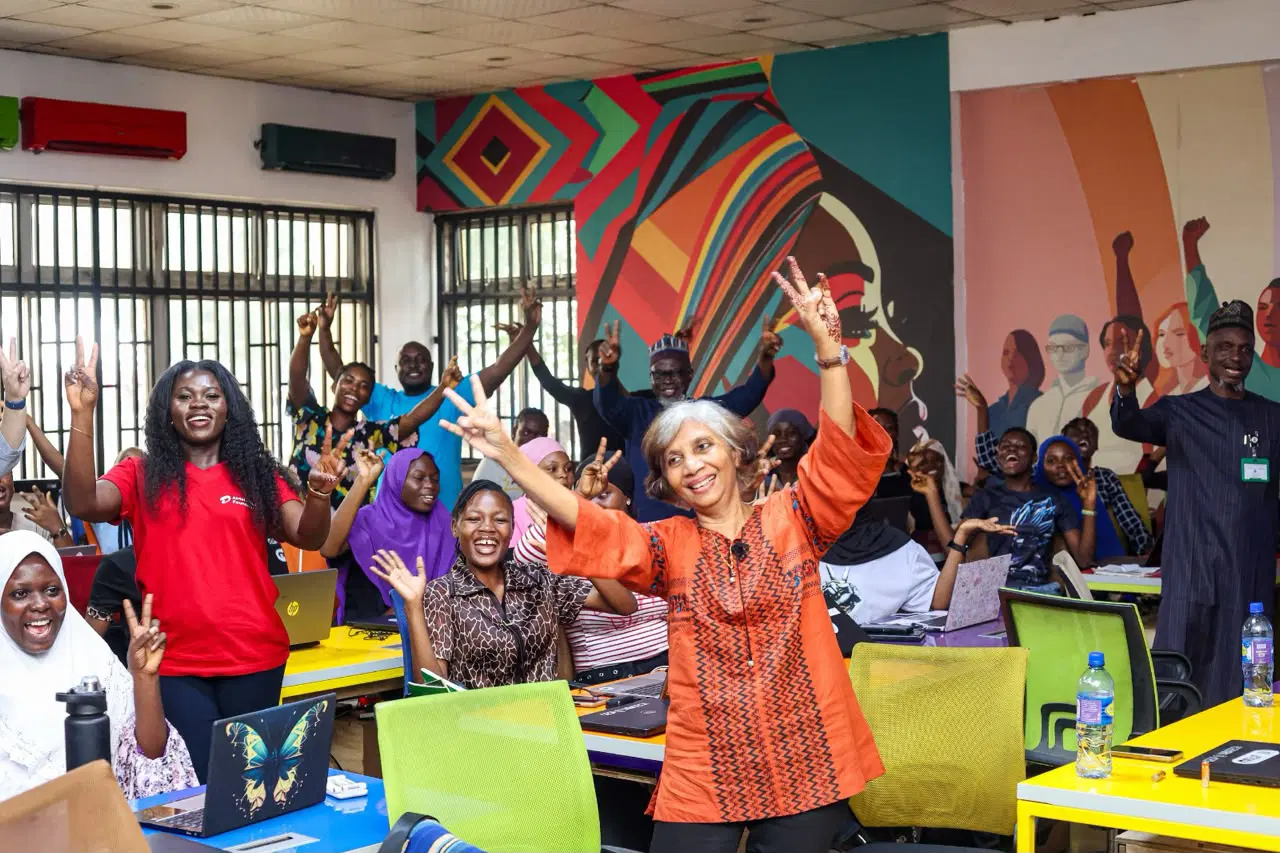
At Government Senior College, students demonstrated how digital tools could support classroom activities. At Yaba College of Technology, participants presented their experiences with Passport to Earning and YOMA, programmes designed to help young people develop employability, entrepreneurship and digital skills.
These initiatives aim to connect education with opportunities beyond the classroom, including mentorship, internships and pathways towards earning an income.
UNICEF Deputy Representative in Nigeria, Rownak Khan, stressed that girls, children with disabilities and learners in underserved communities should be among the first to benefit from digital education.
The Minister of State for Education, Professor Suwaiba Sa’idu Ahmad, also emphasised the importance of strengthening teachers’ capacity, improving educational content and protecting children online as schools increasingly adopt digital technologies.
Teacher Training and Connectivity Remain Critical
While the programme is expanding access, its success will depend on more than the availability of free online resources. Students need suitable devices, electricity and reliable network coverage, while teachers require the training to integrate digital tools effectively into their lessons.
Airtel Africa Foundation’s Head of Programmes, Esi Asare Prah, said digital inclusion was central to preparing young Africans for a future increasingly shaped by technology. The foundation is supporting efforts to improve connectivity, reach underserved communities and equip young people with relevant skills.
During meetings in Abuja, the delegation engaged with officials from the Office of the Vice President and the Federal Ministry of Education on improving connectivity, educational content, teacher training, inclusive digital design, education data systems, online child safety and sustainable funding.
The discussions highlighted the need for cooperation between government, telecommunications providers and development partners to ensure that digital education produces measurable improvements in learning.
Back Story: How the Nigeria Learning Passport Began
The Nigeria Learning Passport was introduced during the COVID-19 pandemic, when school closures disrupted education for millions of children. Developed with UNICEF and government partners, the platform was designed to help learners continue their studies outside traditional classrooms.
It provides online, mobile and offline access to curriculum-aligned resources for pre-primary, primary and secondary school pupils. Its more than 15,000 educational resources include content in English, Hausa, Igbo and Yoruba.
The wider Airtel Africa and UNICEF partnership operates across 13 African countries. According to UNICEF, the five-year initiative has connected more than 3,000 schools, provided zero-rated access to over 60 learning platforms and reached more than 2.5 million children across the continent.
For Nigeria, the next challenge is to ensure that growing access translates into stronger literacy, better academic performance and improved employment prospects. Reaching one million students is significant, but sustained investment in teachers, infrastructure and inclusive learning will determine how far the programme can go.
Also Read: Nigeria Learning Passport Reaches Millions of Pupils as Free Digital Education Expands