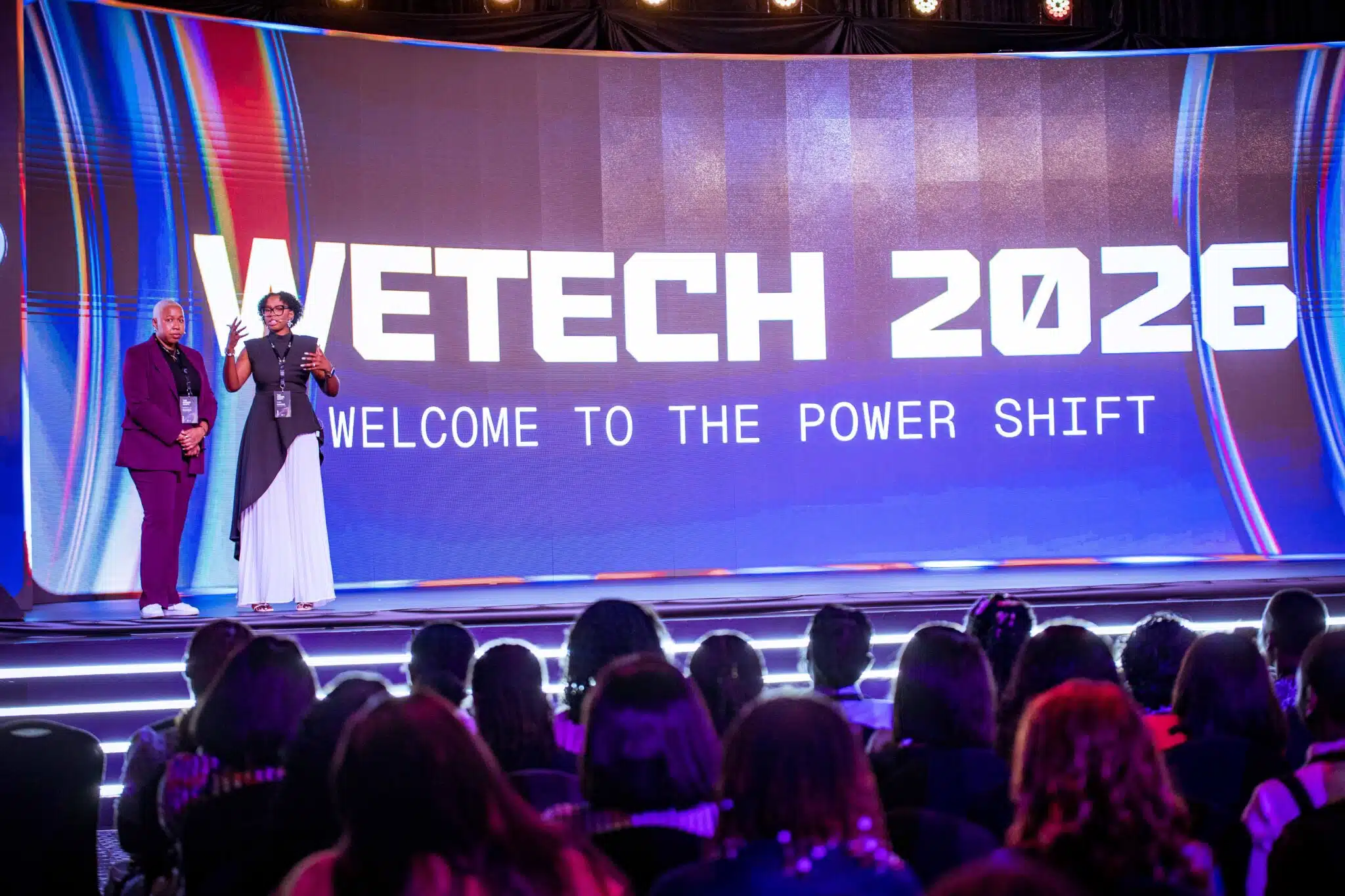

LAGOS: The Wetech Conference 2026 has put a fresh spotlight on a question Africa can no longer ignore: who will build the artificial intelligence systems shaping the continent’s future?
Held on September 26 at the Landmark Event Centre in Victoria Island, Lagos, the conference brought together women in technology, founders, investors and other ecosystem players under the theme, “The Power Shift: Women Leading the Future of AI, Capital, and Innovation.”
According to Wetech’s official event page, the event drew more than 2,500 attendees, over 30 speakers and more than 20 ecosystem partners, with ₦8.5 million allocated to its pitch prize pool. The programme also featured sessions on AI careers, startup funding, policy, community building and the future of innovation in Africa.
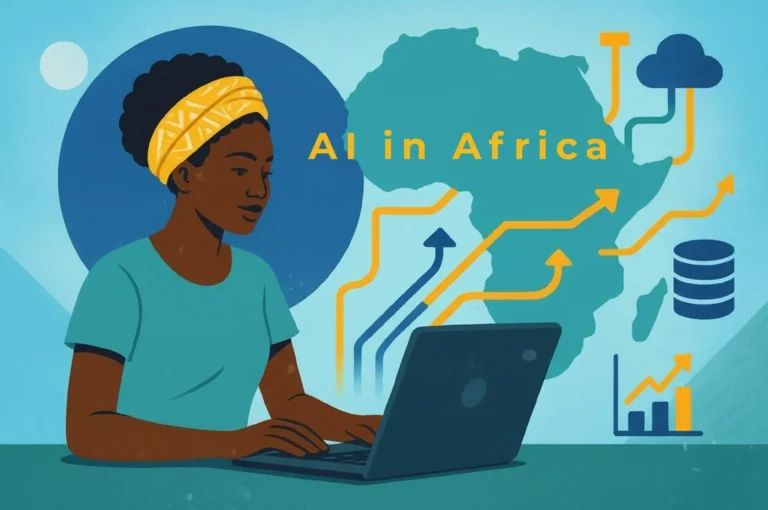
One of the clearest messages from the conference was that Africa’s participation in AI cannot stop at using products created elsewhere. Speakers called for stronger investment in data, research, education, intellectual property and local talent so African-built solutions can better reflect the continent’s realities.
Africa’s AI conversation shifts from use to ownership
The strongest discussion centred on Africa’s position in the expanding AI economy. During a panel on infrastructure, partnerships and talent, Prof. Chika Yinka-Banjo, Director of AI Unipod at the University of Lagos, stressed the importance of owning and properly developing data for AI systems.
She argued that models trained largely on foreign datasets may not always deliver the results African users need. Nneamaka Ihuoma, Head of Business Acquisition and Partnerships at Providus Bank, also called for more investment in research, education and policy so African innovators can develop technologies and intellectual property they can own.
The argument goes beyond building software. It raises questions about who controls the data, who owns the models, who benefits financially from the technology and who has influence when the rules governing AI are being shaped. Techpoint Africa’s event report captures the central concerns raised during the discussion.
The official Wetech programme reflects the same wider approach, with sessions covering “Breaking Into AI & Emerging Technologies”, “Building, Funding & Scaling as a Founder in Africa” and “From Policy to People”.
Women urged to influence decisions shaping technology
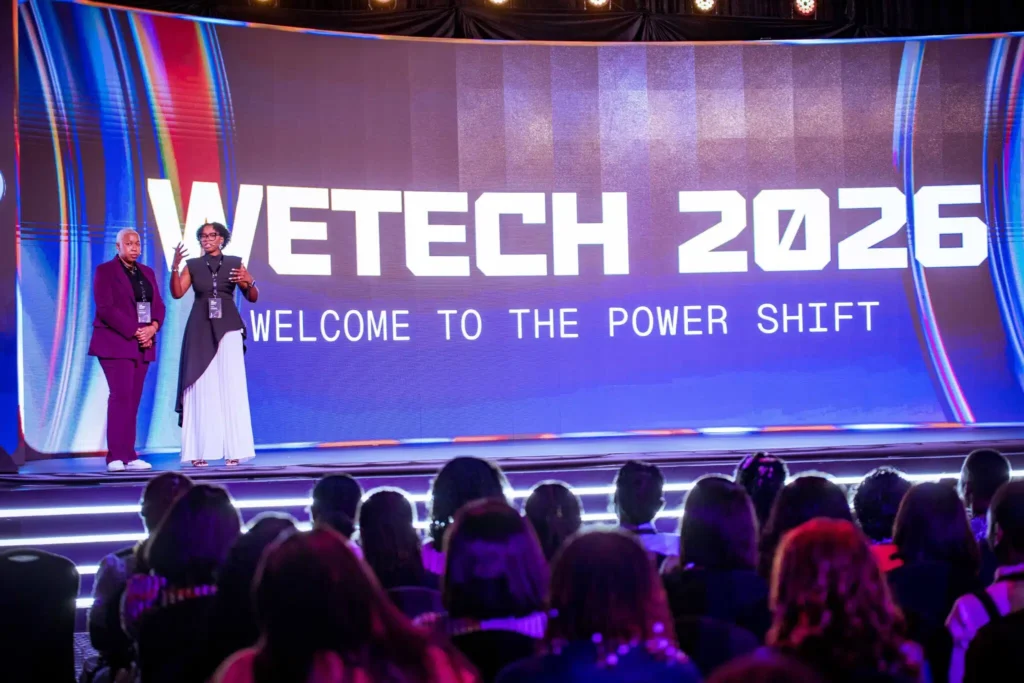
Another important conversation at the Lagos conference focused on policy and representation. Speakers said women need greater participation in the spaces where decisions affecting technology, work, businesses and access to opportunities are made.
The discussion highlighted how regulations can influence women founders and professionals even when they are not directly involved in policy development. Speakers encouraged women to use their platforms, build stronger networks and seek mentorship and sponsorship that can support their movement into decision-making positions.
Wetech co-founder Flora Uwadiegwu also urged participants to turn conference lessons into practical action. Speaking to Techpoint Africa, she encouraged attendees to connect what they had learnt and use it to create solutions that improve everyday life.
That practical emphasis matters. Conferences can generate useful ideas and connections, but their longer-term impact is often measured by what participants do afterwards, whether that means launching products, growing companies, entering emerging technology fields or contributing to their communities.
Back story: Wetech’s growing place in Africa’s tech ecosystem
Wetech has spent recent years building a platform around women in technology and entrepreneurship. Its official media archive records editions from 2022 onward, including the 2024 conference, which marked five years of its work in the ecosystem.
The 2026 edition expanded that focus through “The Power Shift”, linking women’s participation in technology with capital, leadership, policy and community. The event also included an expo, live hiring and networking sessions, giving attendees opportunities beyond the main stage.
A major attraction was PitchHer 2026, where female founders presented their businesses and innovations. Victoria Duru of Wakamedics won ₦5 million, while Blessing Aniefiok of Dynalimb Technologies received ₦2.5 million as first runner-up. Ogunlana Misi of TFB Studios AI took second runner-up with ₦1 million. Techpoint Africa reported the results.
Other pitch participants included founders of ACADAI, UNIKORRN and JEWE Energy and Mobility, highlighting the range of businesses emerging from the women-led technology ecosystem.
The bigger story from Wetech 2026 is therefore not simply about a conference in Lagos. It is about an African technology ecosystem trying to move from participation to ownership, while creating more room for women to influence the products, businesses, investments and policies that will shape the continent’s digital future.
Also Read: NITDA Urges Nigerian Government Agencies to Prioritise Homegrown Technology Solutions