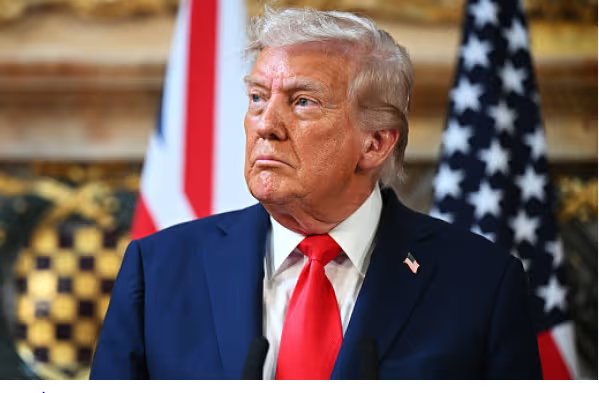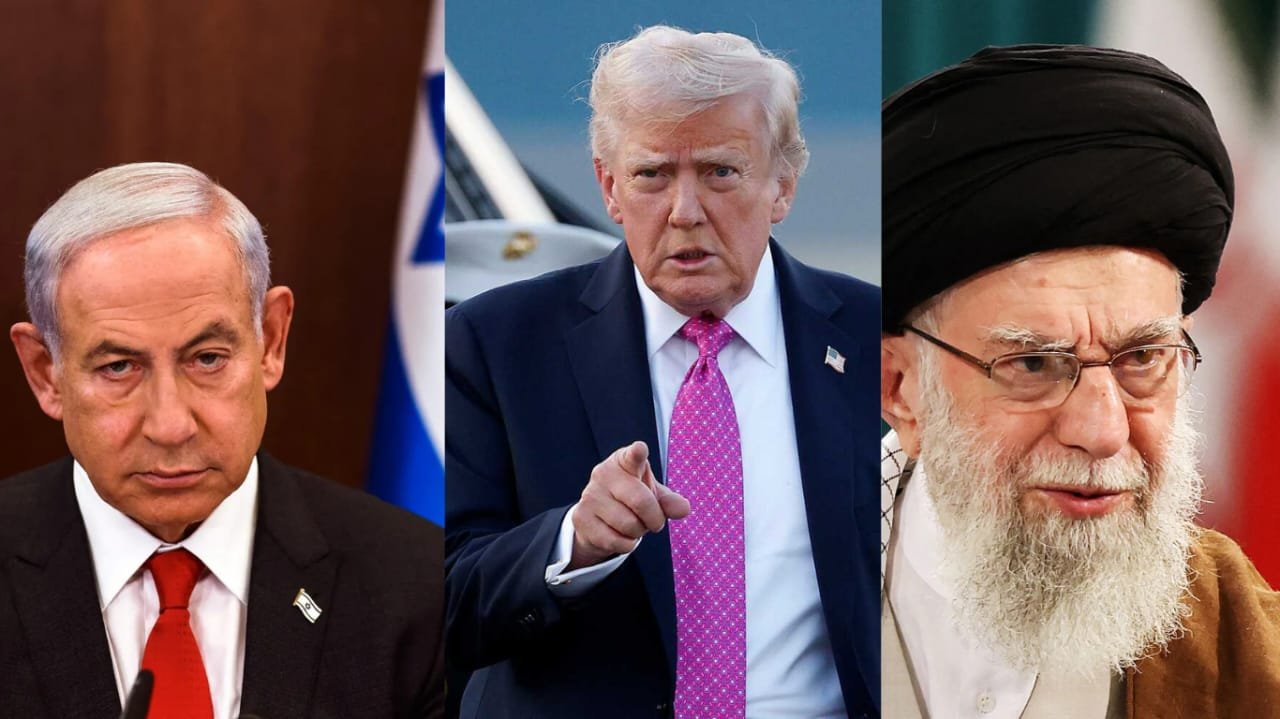

A sudden and severe escalation in the Middle East , marked by coordinated strikes by the United States and Israel on Iran, followed by Iran’s large‑scale retaliatory missile across the region and the reported death of Supreme Leader Ayatollah Ali Khamenei — has raised fresh concerns in global politics and diplomacy about the possibility of another world war.
The speed of events, the involvement of major military powers, and disruptions to critical routes have raised a very crucial question: could this spiral into a full‑blown third world war?
Brief Overview
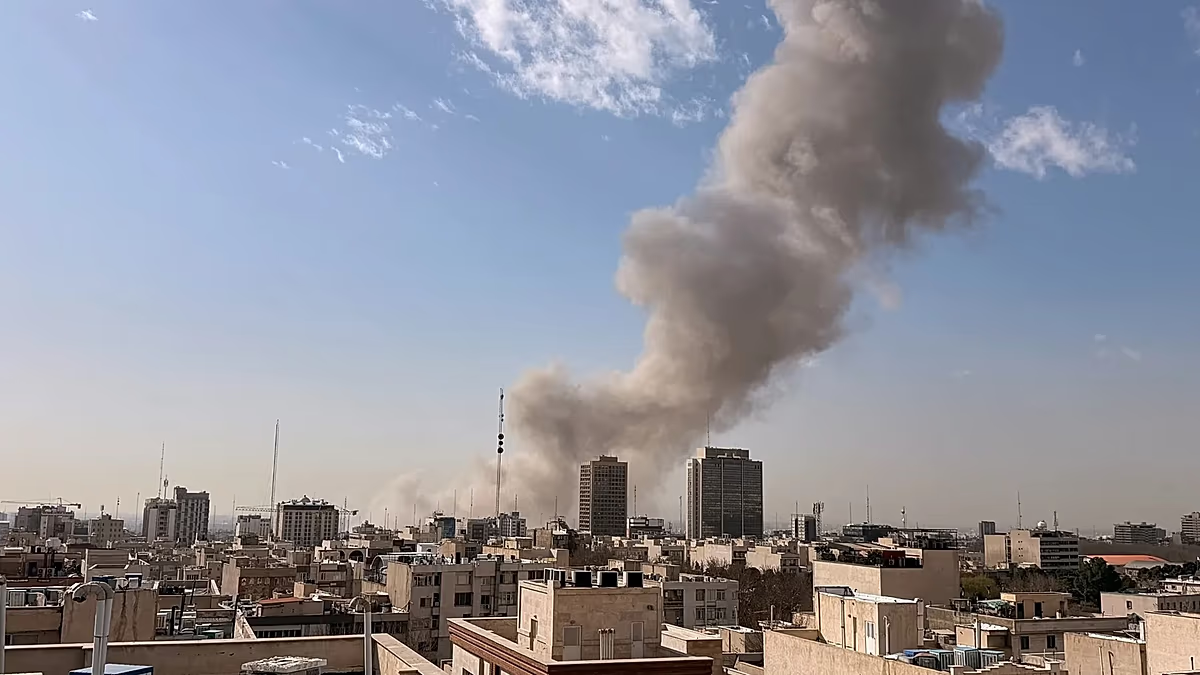
Late February and early March 2026 saw a dramatic exchange of strikes. Multiple air operations on Terhran, the Iranian capital targeted at military and leadership sites; Iran reported that its supreme leader, Ayatollah Ali Khamenei, was killed in the initial wave. Tehran responded with sustained missile and drone attacks on Israeli territory and strikes on vessels and bases across the region, affecting Bahrain, UAE, Kuwait among others.
Previous history event shows that global or world wars rarely begin with formal declarations. They grow out of miscalculations, alliances and retaliation cycles that move faster than diplomacy. What makes this moment particularly dangerous is not only the exchange of strikes, but the nature of the targets and the those involved.
Direct attacks inside Iran, the reported killing of its supreme leader, and Iran’s sweeping retaliation have already expanded the battlefield beyond a shadow conflict.
Read Also: Iran Crisis: Donald Trump Signals Major Escalation Says ‘The Big One Is Coming Soon,’
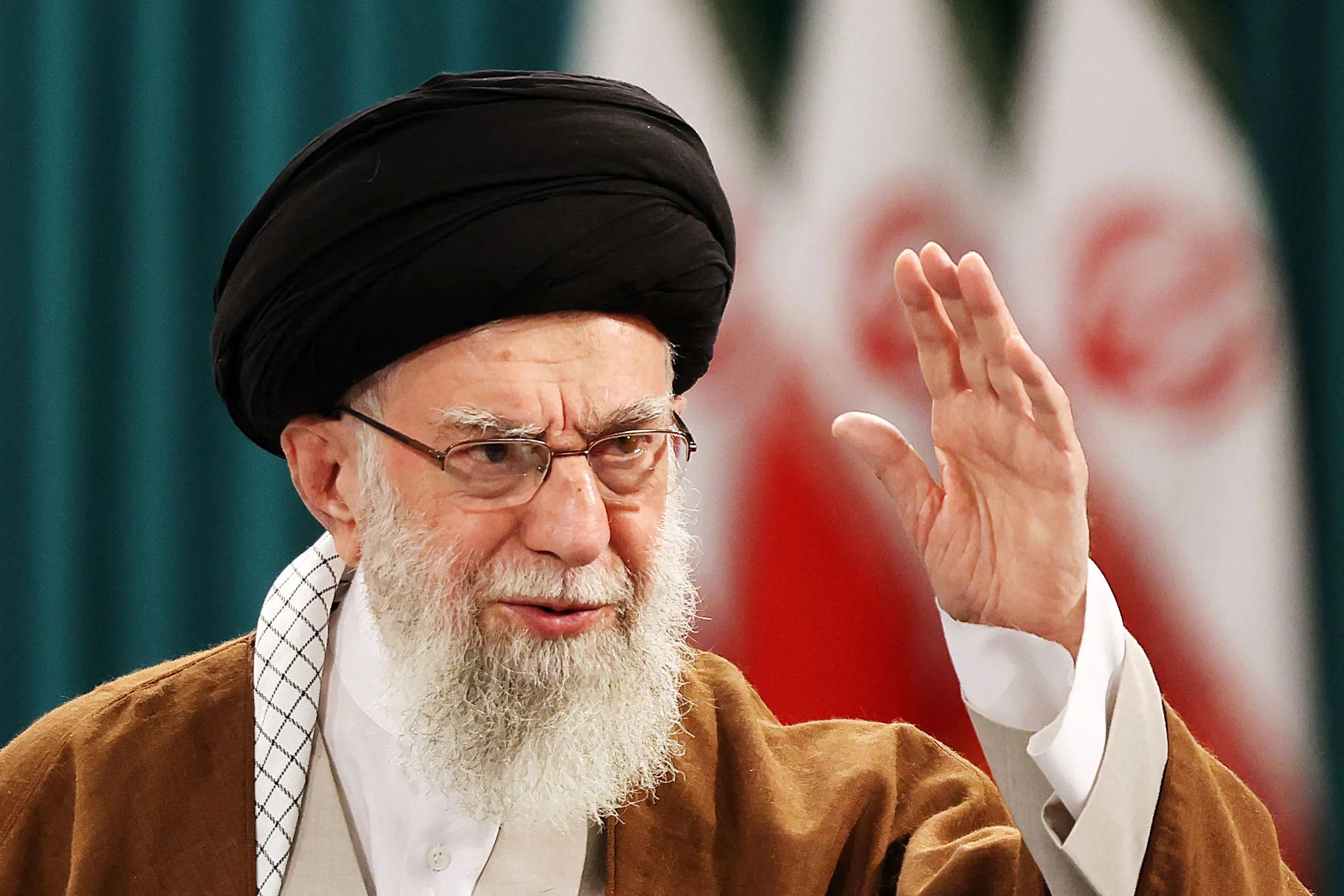
The United States a major world power backing of Israel places a major authority at the centre of the confrontation. Iran’s regional network of allies stretching across Lebanon, Syria, Iraq and Yemen — means any escalation could quickly spill across borders. Shipping lanes in the Strait of Hormuz, through which a significant portion of the world’s oil supply passes, are already under strain. When global energy routes become war zones, the consequences ripple far beyond the region.
While all the afore mentioned are valid concerns and possible need for worry, for this crisis to evolve into a full-scale world war, more major powers would have to move from indirect support to sustained military engagement across multiple theatres.
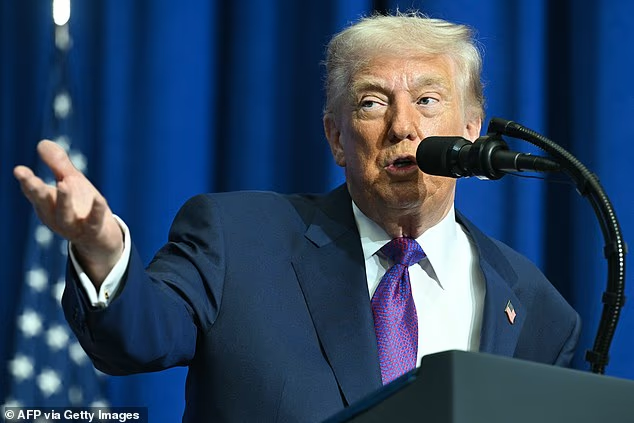
Although that line has not yet been crossed, the speed of escalation, the symbolism of leadership decapitation, and the entanglement of global energy markets is only an indication that the margin for error is dangerously thin. One miscalculation, one overreach, or one retaliatory strike too far could widen the circle of crisis, possibly spiraling into another world war.
How Nigeria could be affected (direct and indirect channels)
In the event that the crisis escalates into a world war, oil prices would likely surge amid supply fears in the Gulf. While higher crude prices could temporarily boost government revenues, volatility would complicate budget planning and deepen fiscal uncertainty.
Inflationary pressures could intensify. A weaker naira, rising import costs and higher global fuel prices would strain households already battling elevated living costs.
Trade and supply chains could face disruption. Nigeria relies on imported refined petroleum products and manufactured goods that move through international shipping routes vulnerable to instability.
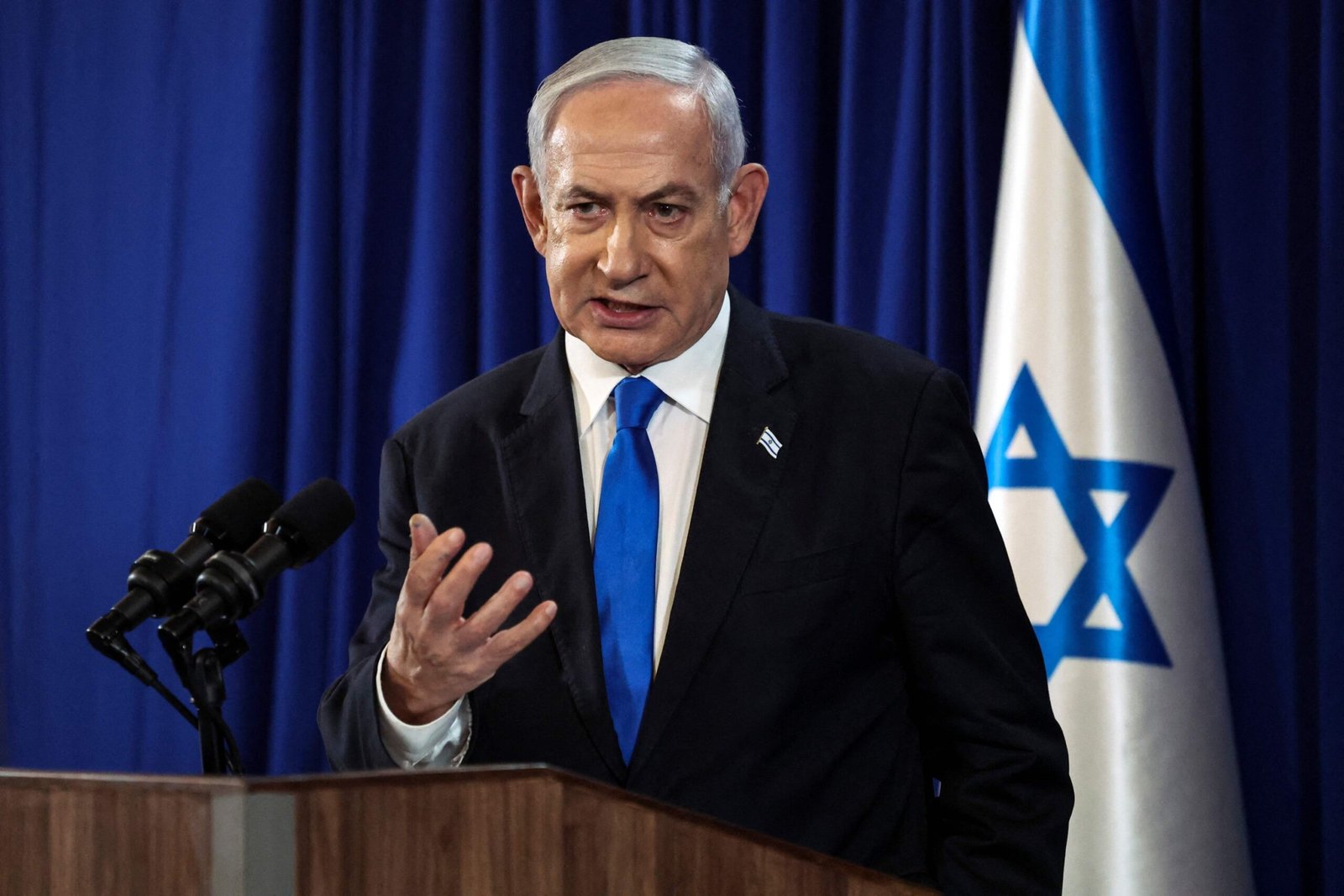
Remittance flows might shrink if Nigerians working in the Gulf face job losses or evacuation, cutting off an important lifeline for families and foreign-exchange stability.
Security attention from global partners could shift toward the Middle East, potentially reducing cooperation and resources directed at Nigeria’s internal security challenges.
Diplomatic balancing would become more delicate. Nigeria would face pressure to navigate relationships with Western powers and Middle Eastern partners while maintaining strategic neutrality.
Conclusion
The death of Iran’s supreme leader and the subsequent retaliatory strikes have produced the most serious Middle East escalation in years. While a world war remains a worst‑case scenario rather than an inevitability, the crisis demonstrates how quickly regional violence can have global consequences.
For Nigeria, the near‑term risks are economic—higher oil price volatility, inflation and exchange‑rate stress—paired with diplomatic and security implications. The prudent path for Nigerian leaders is to prepare for multiple scenarios, protect the most vulnerable citizens, and engage actively in multilateral diplomacy to stop the conflict from spreading.
Join Our Social Media Channels: