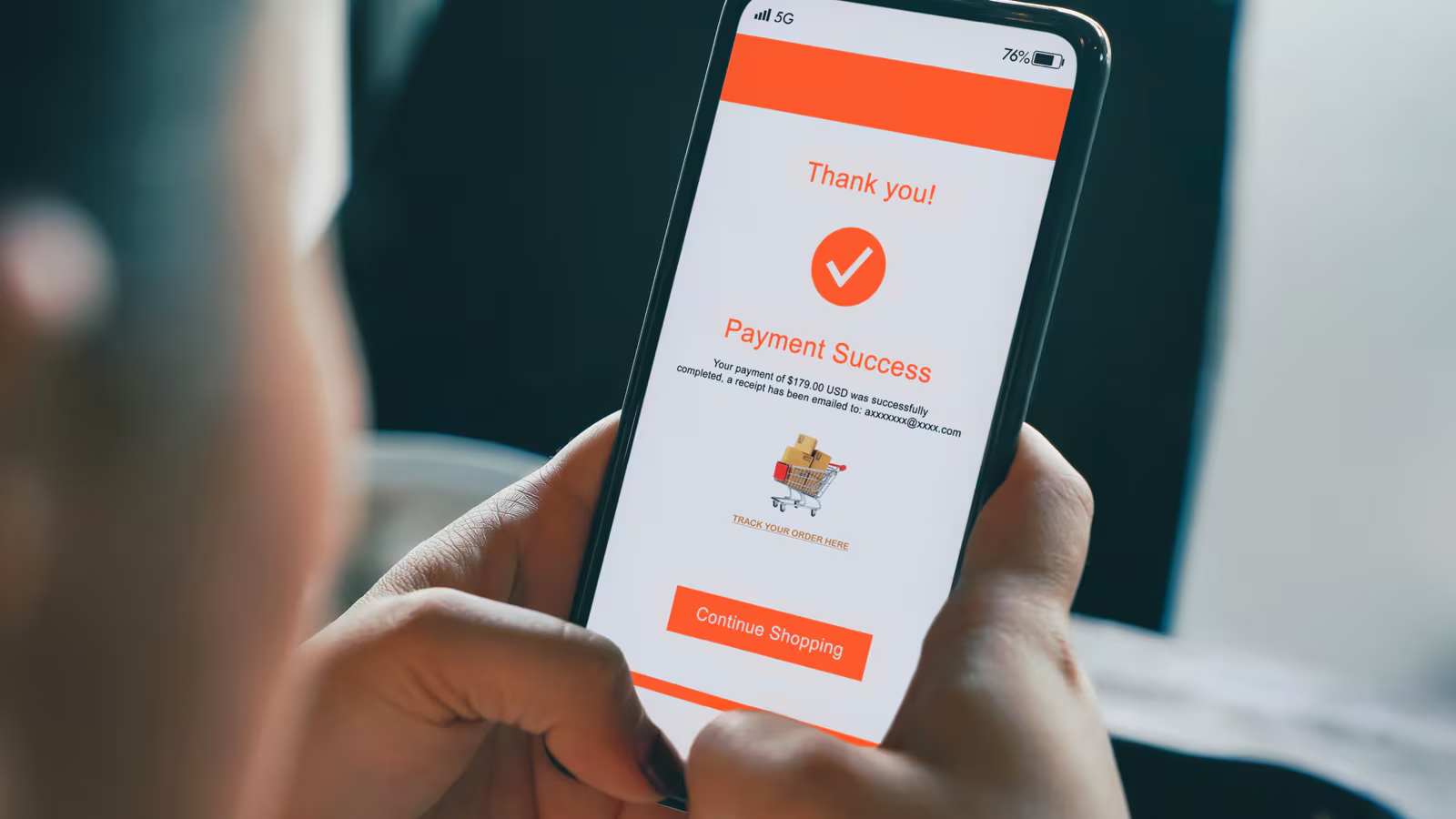

The growing use of artificial intelligence in digital scams is creating a new and complex threat across the financial and telecommunications sectors, prompting experts to call for deeper cooperation between banks and telecom operators.
According to a new analysis by global consulting firm PwC, artificial intelligence is rapidly reshaping the fraud landscape worldwide. While the technology offers powerful tools for detecting suspicious activity, it is also being weaponised by cybercriminals to execute faster, more convincing scams. Experts say the only effective response is a coordinated effort between financial institutions, telecom providers and regulators.
As digital banking, mobile payments and telecom networks become increasingly interconnected, the traditional boundaries between industries are fading. In Nigeria and across the world, this convergence means that a single fraud incident can involve both a bank and a telecom network at the same time. Without collaboration and shared intelligence, experts warn that criminals will continue to exploit the gaps between these systems.
PwC’s findings arrive at a time when digital transactions are expanding rapidly in Nigeria and other emerging economies. The country’s growing reliance on mobile banking, USSD payments and telecom-based financial services has opened new opportunities for convenience but has also widened the attack surface for fraudsters.
Industry observers say the rise of AI-powered scams signals the beginning of a new phase in cybercrime, one where both attackers and defenders are using advanced technology in an ongoing race for control of the digital ecosystem.
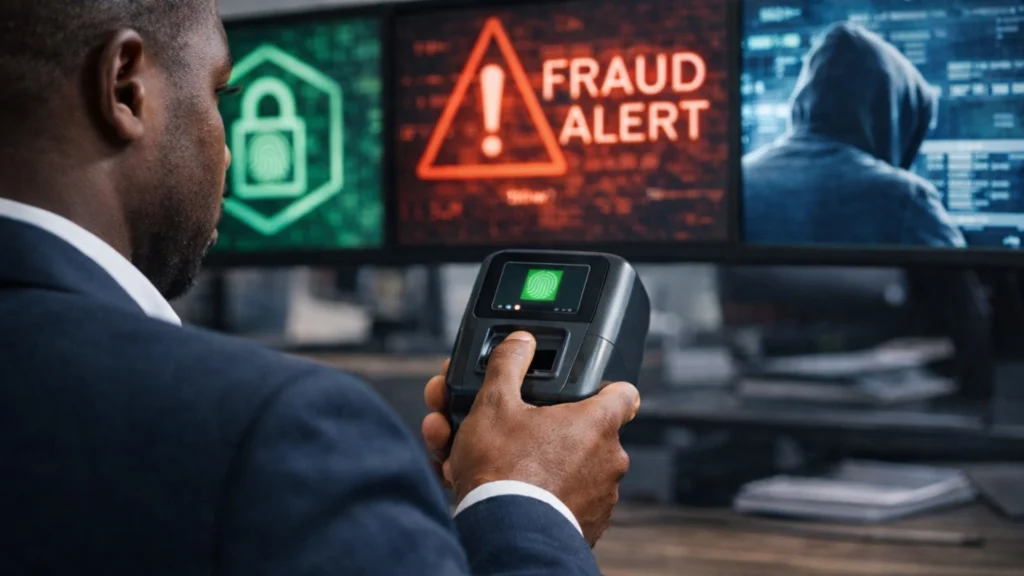
AI Is Transforming the Fraud Landscape
Artificial intelligence is increasingly being used by criminals to automate scams and make them more convincing. Fraudsters can now deploy AI-powered tools to generate realistic voice messages, craft personalised phishing attacks and analyse large datasets to identify potential victims.
This technological shift has dramatically increased the scale and sophistication of fraud schemes across telecommunications networks and financial platforms. Global telecom fraud alone has been estimated at about 38.95 billion dollars, highlighting the enormous financial damage the industry faces each year.
Nigeria is not immune to these threats. Data from the Nigerian Communications Commission shows that telecom related financial crimes cost citizens about ₦12.5 billion between 2019 and early 2023.
Experts say the expansion of telecom services into financial products such as mobile money and payment service banking has made the fraud environment even more complex. Telecom operators are no longer simply communication providers; they now form a crucial part of the financial infrastructure that powers digital payments.
Because of this growing integration, many scams now exploit both banking and telecom systems simultaneously. A typical fraud operation might involve phishing messages sent through mobile networks, followed by fraudulent bank transactions executed once victims unknowingly reveal their credentials.
PwC analysts note that artificial intelligence plays a dual role in this evolving environment. On one hand, it gives criminals new capabilities to design smarter attacks. On the other hand, it offers powerful defensive tools that organisations can deploy to detect suspicious behaviour and prevent financial loss.
This dual nature of AI has transformed fraud prevention into a technological arms race where organisations must continually upgrade their capabilities to keep pace with criminals.

Why Banks and Telcos Must Collaborate
One of the most important recommendations from PwC is the need for stronger collaboration between banks and telecom operators.
Traditionally, these industries have operated in separate regulatory and technological environments. However, the rise of mobile banking and digital payments means that their systems are now deeply interconnected.
Telecom networks provide the backbone for many financial services, including USSD banking, mobile wallets and authentication processes such as one-time passwords. When fraud occurs within these systems, the effects are felt by both telecom providers and banks.
PwC emphasises that collaboration between the two sectors can significantly strengthen fraud prevention efforts. By sharing intelligence about suspicious transactions, unusual network activity and emerging scam techniques, institutions can detect threats earlier and respond more effectively.
For example, if a telecom operator detects an unusual SIM swap request linked to a customer’s phone number, banks could automatically flag transactions from that account for additional verification. Similarly, financial institutions could alert telecom providers when suspicious transactions originate from certain phone numbers.
Such information sharing could close the gaps that fraudsters currently exploit when moving between banking systems and telecom networks.
Experts also highlight the importance of joint customer awareness campaigns. Many scams rely on social engineering tactics that manipulate victims into revealing personal information or authorising fraudulent transactions. Educating consumers about common scam techniques can significantly reduce the success rate of these attacks.
PwC argues that coordinated public awareness programmes using SMS alerts, banking apps and other digital platforms could help millions of users recognise suspicious messages and avoid becoming victims.
The Role of Regulators and Technology
While collaboration between banks and telecom operators is crucial, regulators also have an important role to play in building a safer digital ecosystem.
Regulatory bodies can establish frameworks that encourage data sharing between sectors while ensuring that customer privacy and security are protected. Clear guidelines on fraud reporting, information exchange and incident response can help organisations act quickly when threats emerge.
Artificial intelligence itself may also assist regulators in monitoring compliance and identifying irregular patterns across large datasets. By using automated systems to analyse transaction flows and network activity, authorities could detect potential fraud schemes before they escalate.
PwC suggests that regulators should work closely with industry stakeholders to create policies that support innovation while maintaining strong consumer protection.
The challenge lies in balancing technological progress with the need for accountability and security. As telecom companies expand into financial services, the lines between industries will continue to blur, requiring regulators to adopt more integrated oversight frameworks.
Another key recommendation involves strengthening workforce capabilities. Fraud prevention increasingly requires specialised expertise in data analytics, cybersecurity and artificial intelligence. Companies must invest in training programmes that equip employees with the skills needed to identify emerging threats and respond effectively.
Building a Safer Digital Economy
The rapid growth of digital finance has transformed the way Nigerians and millions of people worldwide manage money. Mobile payments, online banking and telecom-based financial services have made financial transactions faster and more accessible than ever before.
However, these advancements also come with new risks.
As criminals adopt artificial intelligence to refine their tactics, the scale and complexity of fraud is expected to increase. Experts warn that isolated efforts by individual organisations will not be enough to counter these threats.
Instead, the future of fraud prevention will depend on a collaborative ecosystem involving telecom companies, banks, regulators and technology providers. By combining their resources, expertise and data insights, these stakeholders can build stronger defences against cybercrime.
PwC believes that proactive cooperation is the key to staying ahead of fraudsters. Organisations must continuously monitor emerging technologies, anticipate new attack methods and invest in innovative detection tools.
Equally important is maintaining public trust. Fraud incidents can erode confidence in digital services, slowing the growth of financial inclusion and technological innovation. By working together to protect consumers, banks and telecom operators can strengthen confidence in the digital economy.
In Nigeria, where mobile connectivity and digital payments are expanding rapidly, the stakes are particularly high. The country’s financial future increasingly depends on secure digital infrastructure that supports safe and reliable transactions.
Industry analysts say the message from PwC is clear. Artificial intelligence will continue to reshape both fraud and fraud prevention. The question is whether institutions can collaborate quickly enough to keep pace with the evolving threat.
If banks, telecom operators and regulators succeed in building a unified defence strategy, they could significantly reduce the risks posed by AI driven scams. If they fail to do so, cybercriminals may continue exploiting the gaps between systems.
For now, the battle against digital fraud continues, and cross-industry cooperation may be the most powerful weapon available.
Join Our Social Media Channels:
WhatsApp: NaijaEyes
Facebook: NaijaEyes
Twitter: NaijaEyes
Instagram: NaijaEyes
TikTok: NaijaEyes