
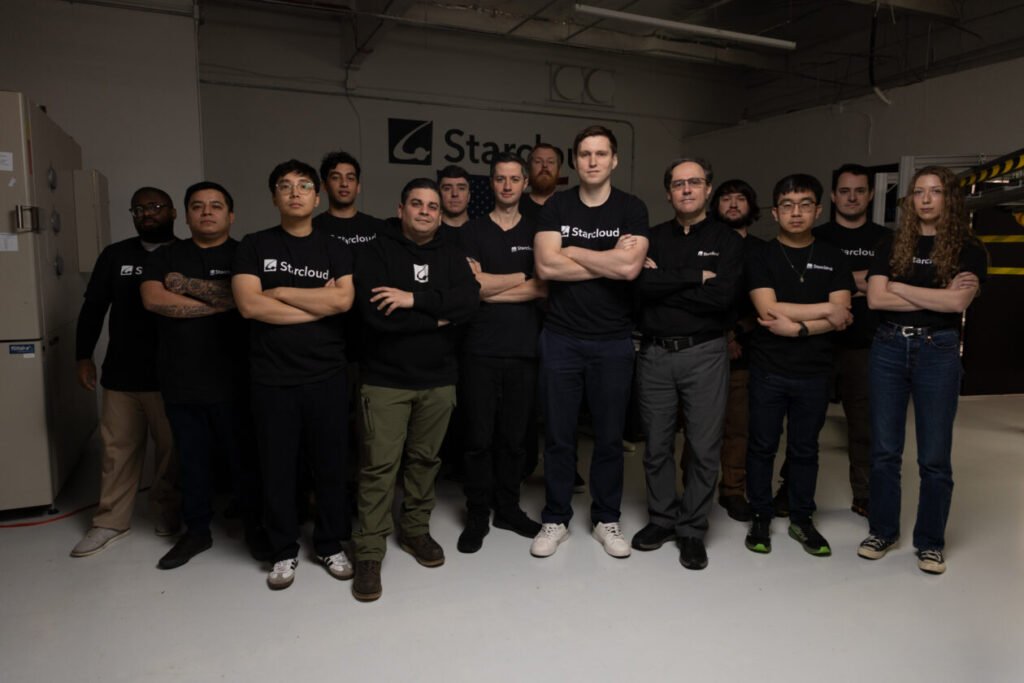
In a development that signals how far the artificial intelligence boom is stretching global innovation, space-tech startup Starcloud has reached a valuation of $1.1 billion after securing fresh funding. The milestone, announced on March 30, 2026, places the young company firmly among the fastest-growing unicorns in the tech ecosystem and highlights a rapidly emerging trend that could reshape how the world powers AI systems, according to Reuters.
The company raised $170 million in a funding round led by major investment firms, underscoring growing investor confidence in space-based computing. This surge of capital reflects a deeper global concern: traditional data centres on Earth are increasingly struggling to meet the massive energy and infrastructure demands required by modern AI systems.
For context, AI infrastructure is already consuming enormous resources worldwide, with projections suggesting trillions of dollars in spending on data centres over the next decade. Against this backdrop, Starcloud’s proposition is simple but bold: take computing off the planet.
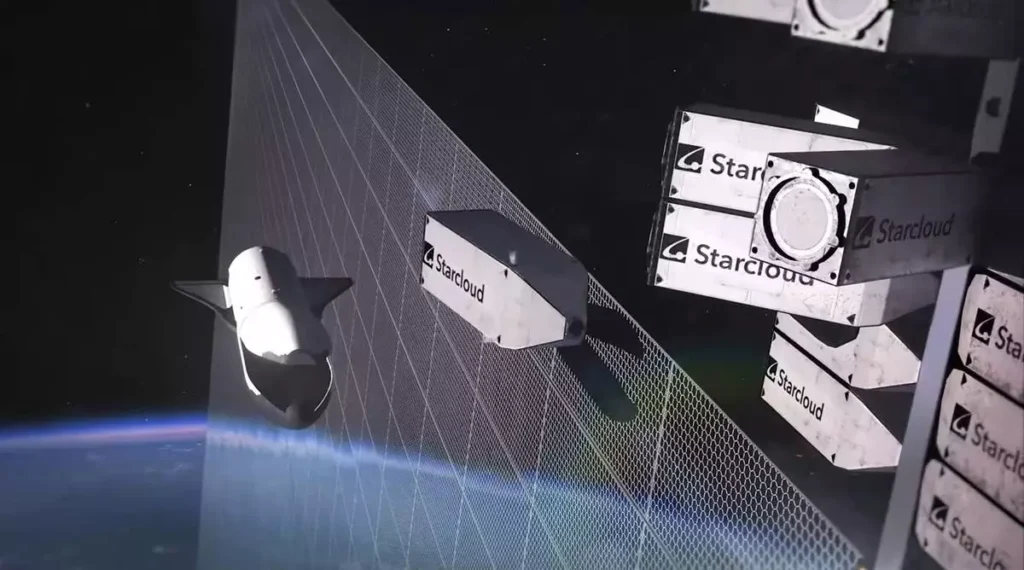
The startup’s ambition is not incremental. It is planning a massive constellation of up to 88,000 satellites that will function as orbital data centres, powered largely by uninterrupted solar energy in space.
Why Tech Giants Like Starcloud Are Looking to Space
The push towards space-based data infrastructure is not happening in isolation. It is part of a broader shift driven by the explosive demand for AI tools across industries, from finance and healthcare to education and governance.
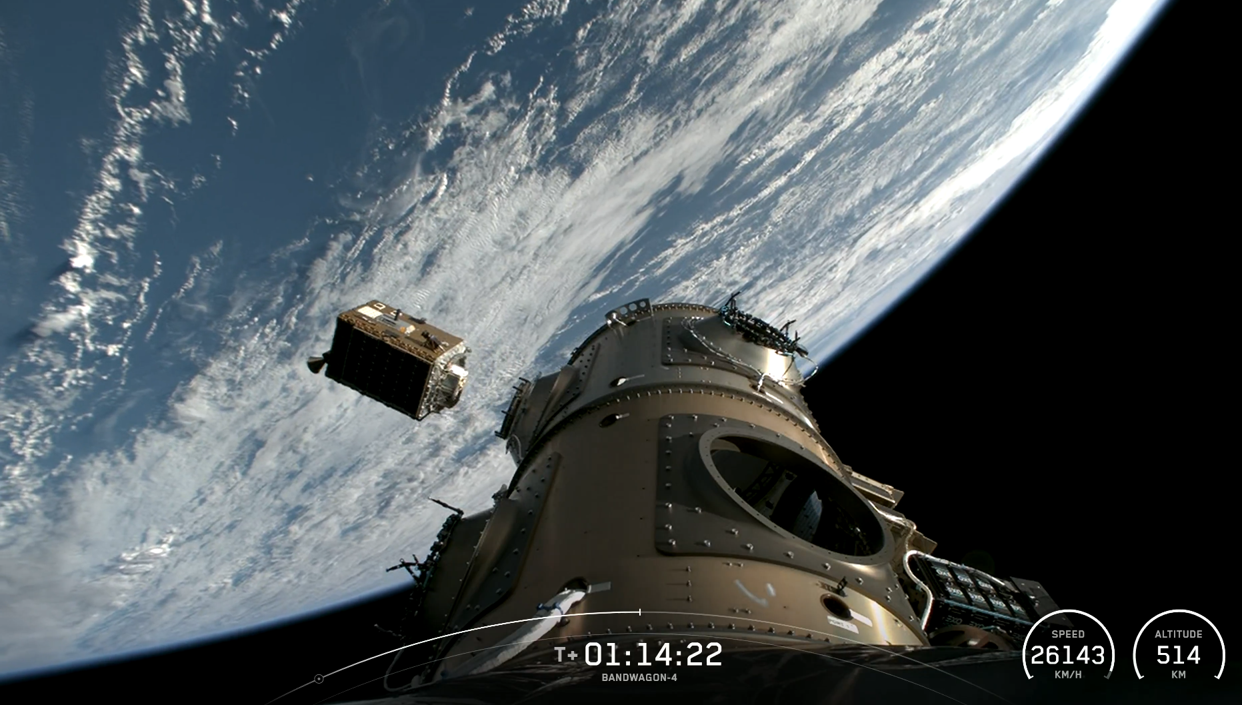
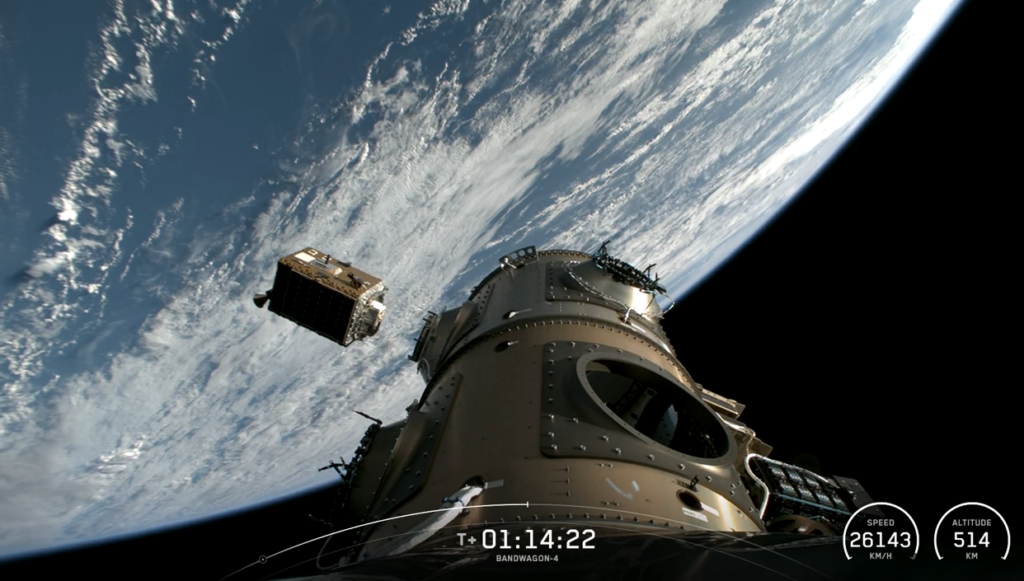
Major global tech players such as Nvidia, Amazon and Google are already working with Starcloud, signalling strong industry backing for the concept. The company even made headlines earlier by launching a satellite equipped with a high-performance AI chip to test real-time computing in orbit.
The logic behind this move is compelling. Space offers near-constant access to solar power, eliminating dependence on terrestrial energy grids that are already under pressure. In addition, the cold vacuum of space provides natural cooling, one of the most expensive challenges facing data centre operators on Earth.
This shift also aligns with a broader industry trend where companies are seeking cleaner and more scalable alternatives to traditional infrastructure. Data centres currently consume vast amounts of electricity and contribute significantly to environmental strain, pushing innovators to explore unconventional solutions.
Even competitors are entering the race. Firms backed by influential figures in the global tech space are investing heavily in orbital computing systems, suggesting that this is no longer a speculative idea but a serious frontier in technological development.
The Challenges Behind the Ambition
Despite the excitement, the journey to building data centres in space is far from straightforward. One of the biggest obstacles remains the cost of launching hardware into orbit. While advances in rocket technology are gradually reducing these costs, they are still high enough to pose a significant barrier to large-scale deployment.
Starcloud’s leadership, however, believes that these costs will drop substantially within the next few years, making space-based computing commercially viable. If that prediction holds true, it could trigger a major shift in how digital infrastructure is built globally.
There are also technical and regulatory concerns. Managing thousands of satellites raises questions about space debris, orbital congestion and long-term sustainability. Additionally, transmitting data efficiently between Earth and space remains a complex engineering challenge.
Yet, history shows that once a technological tipping point is reached, adoption can accelerate rapidly. Just as cloud computing transformed the internet economy over the past two decades, space-based computing could redefine the next era of digital innovation.
What Starcloud Move Means for Africa and the Global Digital Economy
For Nigeria and the wider African continent, developments like Starcloud’s rise carry significant implications. Access to affordable and scalable computing power has long been a limiting factor for tech growth in emerging markets.
If space-based infrastructure succeeds in lowering costs and expanding capacity, it could democratise access to high-performance computing. This would benefit startups, researchers and governments across Africa that rely on cloud services to build digital solutions.
In sectors such as education, AI-driven tools could become more accessible, improving learning outcomes and bridging existing gaps. In agriculture, healthcare and financial services, increased computing power could enable more sophisticated data analysis and automation.
At the same time, Africa’s growing interest in space technology means the continent may not just be a consumer of these innovations but also a participant. Countries are already investing in satellite programmes and space research, positioning themselves to benefit from the next wave of technological advancement.
Globally, the rise of companies like Starcloud reinforces a broader narrative. The AI revolution is no longer confined to software development or chip manufacturing. It is now driving a complete rethink of infrastructure itself, pushing the boundaries of what is possible.
As competition intensifies among tech giants and startups alike, the race to build the future of AI is expanding beyond Earth. And if current trends continue, the next generation of data centres powering the world’s most advanced technologies may not be located in Silicon Valley or Shenzhen, but orbiting silently above the planet.
Join Our Social Media Channels:
WhatsApp: NaijaEyes
Facebook: NaijaEyes
Twitter: NaijaEyes
Instagram: NaijaEyes
TikTok: NaijaEyes