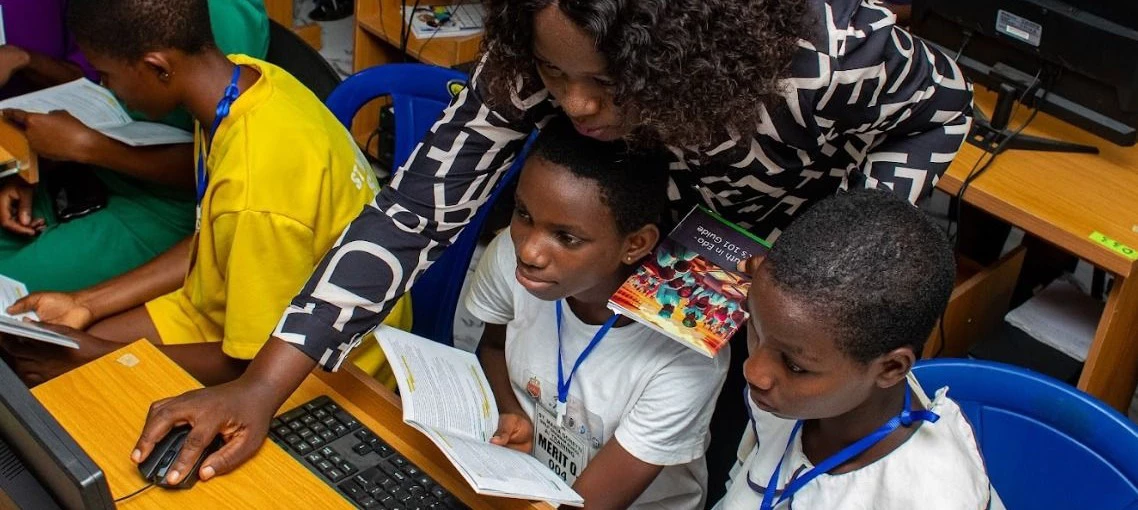

The conversation around artificial intelligence in education has shifted from curiosity to urgency. Across continents, policymakers, educators, and technology leaders are no longer debating whether AI belongs in classrooms. The real question now is how fast it can be integrated and how safely it can be used to prepare students for a rapidly changing world.
From pilot programmes in public schools to national AI curriculum rollouts, a new global consensus is emerging. Artificial intelligence is not just an educational tool. It is becoming a foundational part of how learning happens, how teachers teach, and how students prepare for the future of work.
A Global Push to Embed AI in Education Systems and Classrooms
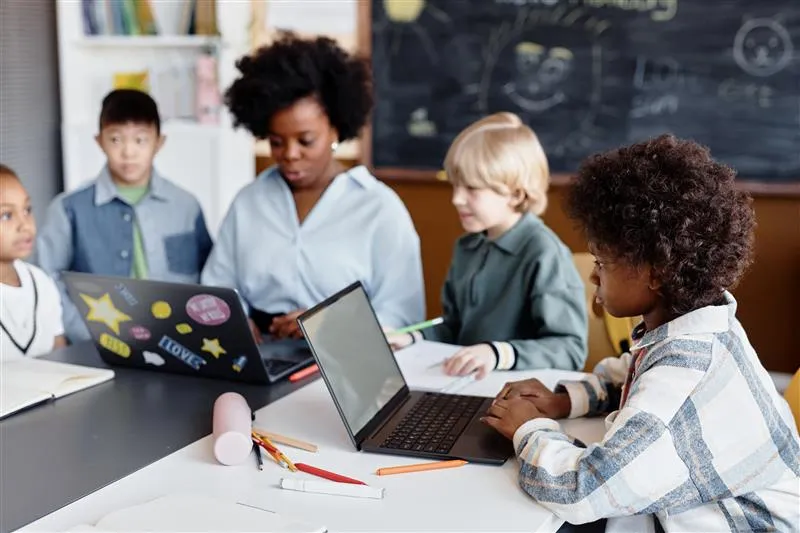
In 2026, governments and institutions are moving decisively to make AI literacy a core part of education. Countries are introducing national strategies that place artificial intelligence alongside traditional subjects like mathematics and science.
Recent developments show how serious this shift has become. In some regions, AI is now being introduced as a compulsory subject across universities to ensure that every student graduates with a baseline understanding of data and machine intelligence.
At the same time, global organisations are pushing for a coordinated approach. International bodies warn that countries that fail to integrate AI into their education systems risk falling behind economically and technologically.
This urgency is also visible in real-world classroom initiatives. Teacher training programmes are expanding rapidly, equipping educators with tools like AI-powered lesson planners and automated grading systems.
What is clear is that AI is no longer optional. It is becoming infrastructure. Much like computers and the internet before it, artificial intelligence is positioning itself as a basic requirement for modern education.
Personalised Learning Is Driving Adoption
One of the biggest reasons AI is gaining global attention is its ability to personalise education at scale. Traditional classrooms often struggle to meet the needs of every student, especially in overcrowded systems like those found in many developing countries, including Nigeria.
AI changes that dynamic completely.
With intelligent systems, lessons can adapt in real time to each student’s pace, strengths, and weaknesses. Studies show that AI-powered learning tools can improve engagement and academic performance by identifying knowledge gaps early and addressing them immediately.
Experts consistently highlight personalised tutoring as one of AI’s strongest contributions to education. This means a student in Abuja can receive the same level of tailored support as a student in London or New York, even without access to elite schools.
Beyond academics, AI also reduces administrative pressure on teachers. Tasks like marking, attendance tracking, and content preparation can be automated, giving teachers more time to focus on actual teaching and student interaction.
In a system already facing teacher shortages and growing class sizes, this efficiency is not just helpful. It is essential.
The Skills Shift Every Education System Must Address
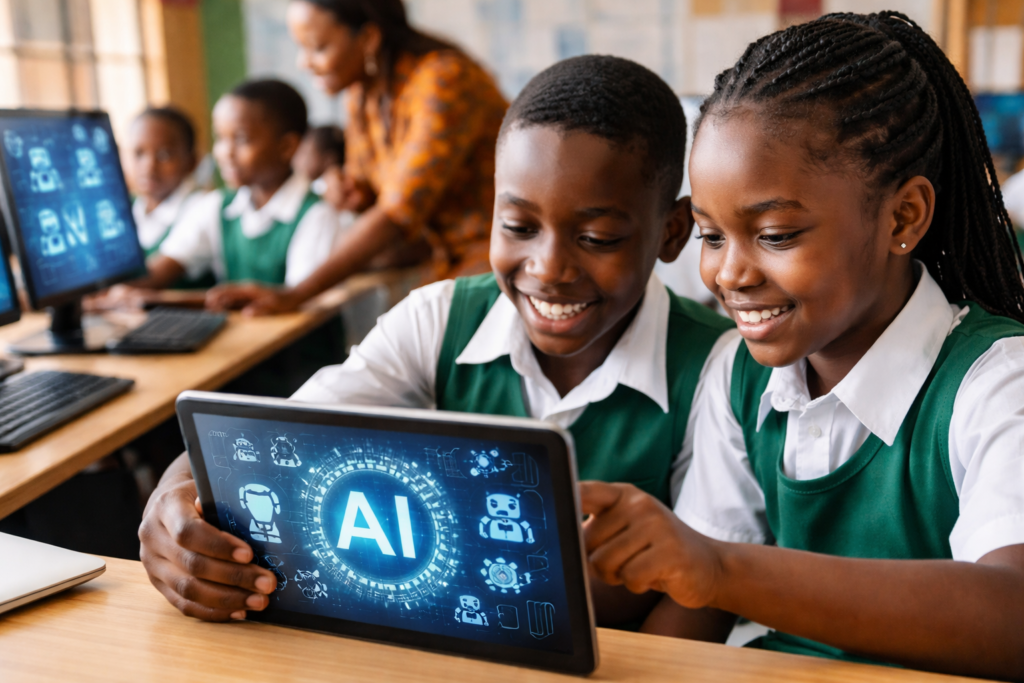
The rise of AI is forcing a fundamental rethink of what education should achieve. Memorisation is becoming less valuable, while skills like critical thinking, creativity, and adaptability are becoming more important than ever.
Recent global insights show that education is moving away from rote learning towards developing problem-solving abilities and emotional intelligence.
This shift is happening because AI can already perform many routine cognitive tasks. What it cannot easily replicate are human skills like judgment, empathy, and complex reasoning.
As a result, classrooms are evolving. Teachers are no longer just information providers. They are becoming facilitators, mentors, and guides who help students navigate knowledge rather than simply absorb it.
For countries like Nigeria, this transformation presents both an opportunity and a challenge. On one hand, AI can help bridge educational gaps. On the other, it requires significant investment in infrastructure, training, and policy.
Concerns, Risks, and the Need for Balance
Despite its benefits, the rapid adoption of AI in classrooms is not without controversy. Many educators are raising concerns about over-reliance on technology and its potential impact on students’ cognitive development.
Recent surveys show that some teachers believe excessive AI use may weaken critical thinking, writing ability, and creativity among students.
There are also concerns about data privacy, especially as schools increasingly rely on third-party AI tools. Questions around who owns student data and how it is used remain largely unresolved.
Experts warn that without proper guidelines, AI could do more harm than good. The key challenge is not whether to use AI, but how to use it responsibly.
Research highlights the importance of keeping humans at the centre of learning. AI should support education, not replace it.
This means building systems where students are encouraged to think critically about AI-generated content, rather than accepting it blindly.
Why AI in Classrooms Is Now a Global Priority
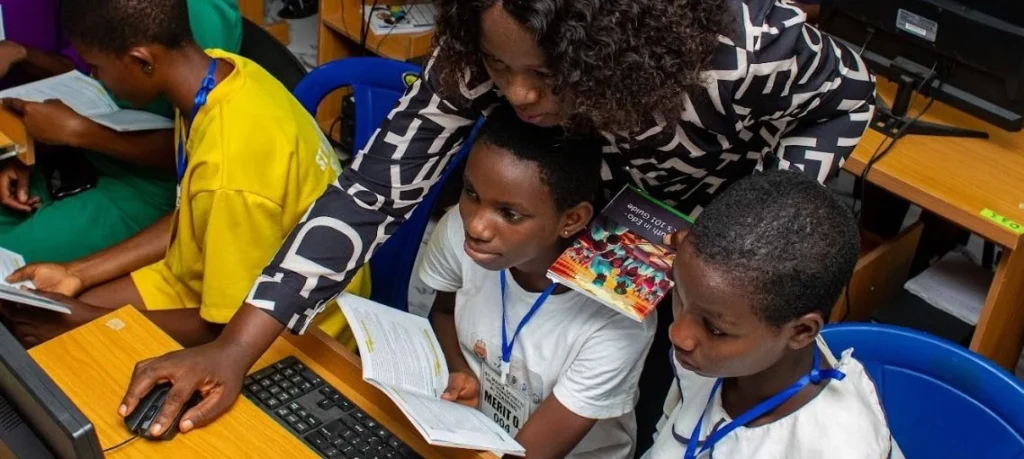
The reason AI has become a global education priority is simple. The world itself is changing.
Artificial intelligence is transforming industries, redefining jobs, and reshaping economies. Education systems must evolve at the same pace or risk becoming irrelevant.
From national policies to classroom experiments, the message is consistent. AI is not just another technological trend. It is a structural shift in how knowledge is created, shared, and applied.
For Africa and Nigeria in particular, the stakes are even higher. Embracing AI in education could unlock new opportunities, reduce inequality, and position the continent as a competitive player in the global digital economy.
Ignoring it could widen existing gaps.
The future classroom is already taking shape. The only question left is how quickly the rest of the world is willing to adapt.
Join Our Social Media Channels:
WhatsApp: NaijaEyes
Facebook: NaijaEyes
Twitter: NaijaEyes
Instagram: NaijaEyes
TikTok: NaijaEyes