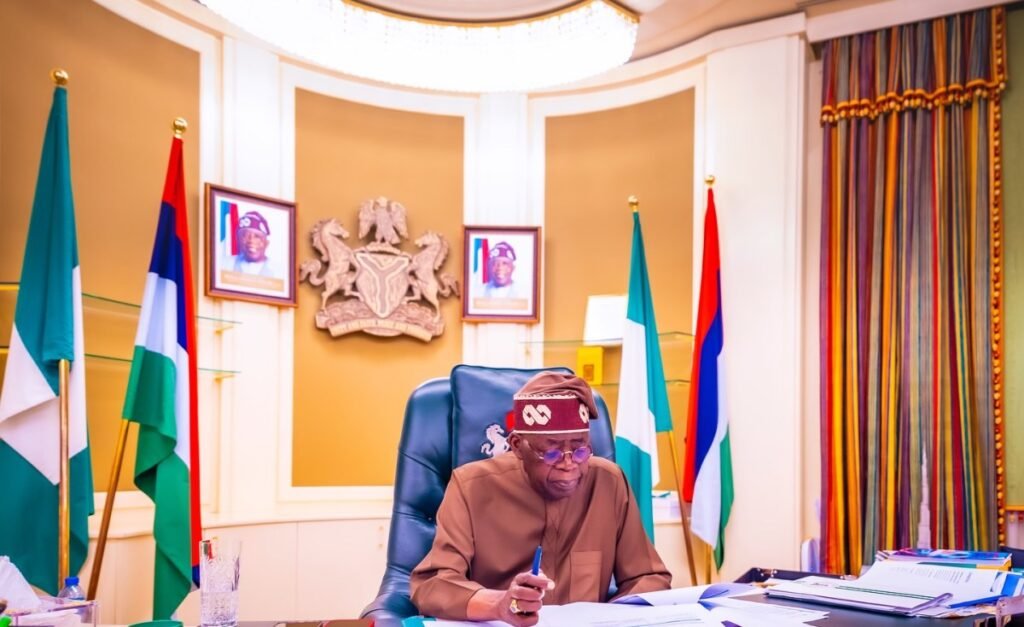
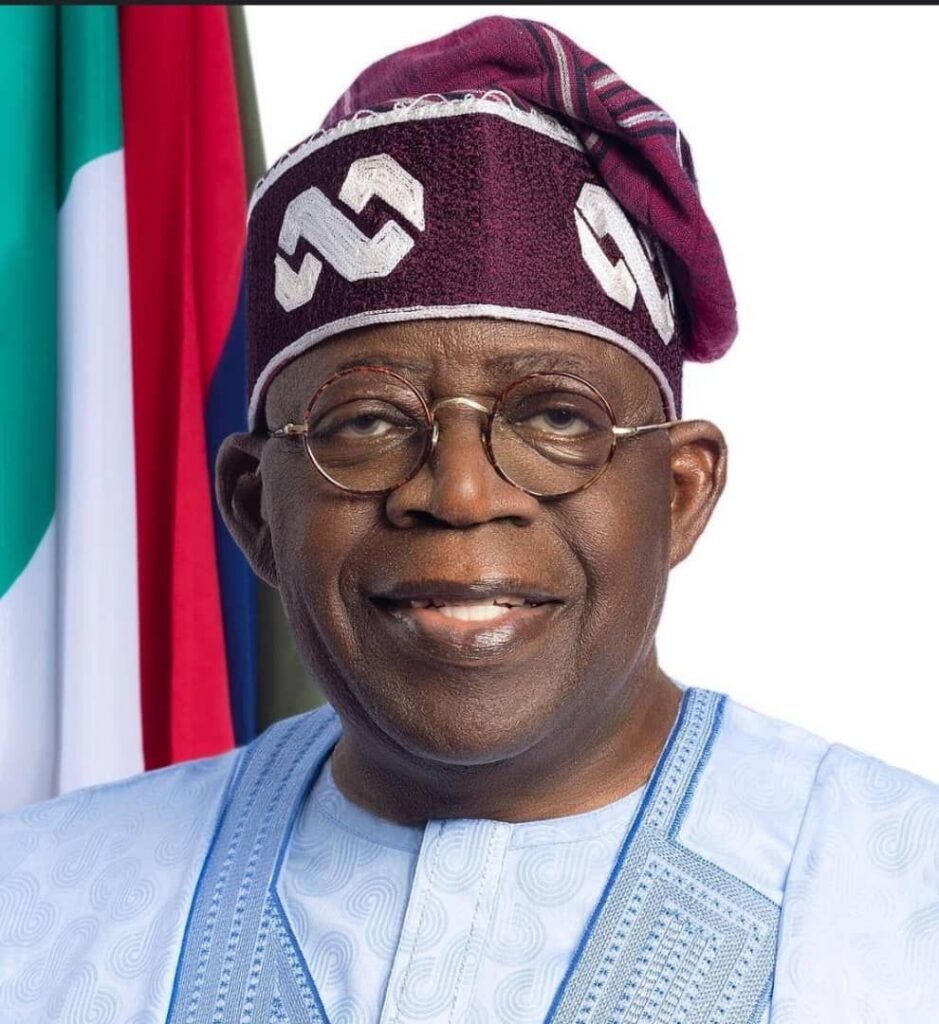
President Bola Ahmed Tinubu has approved a fresh round of strategic appointments across Nigeria’s education sector, signalling renewed efforts to strengthen governance, leadership, and institutional efficiency in key agencies under the Federal Ministry of Education. The announcement, contained in an official statement from the Presidency, outlines a mix of new appointments and tenure renewals affecting examination bodies, technical education regulators, and federal institutions.
The development comes at a time when the Federal Government continues to emphasise education as a central pillar of national development, with stakeholders closely watching how leadership changes translate into reforms across the system.
Tinubu appoints new leadership across NECO, NBTE and polytechnics
According to a press release by the State House, at the centre of the new appointments is the National Examinations Council, where Professor Modupe Adeola Adelabu has been named Chairman of the Governing Board. The President also retained the current Registrar, Professor Ibrahim Dantani Wushishi, a move seen as a bid to maintain continuity in the administration of national examinations.
In the technical education space, Professor Babatunde Salako has been appointed Chairman of the National Board for Technical Education. This agency plays a critical role in regulating and accrediting technical and vocational institutions across the country, making the appointment particularly significant for skills development and workforce readiness.
Further strengthening the polytechnic system, Engr. Dr Bongfa Binfa has been appointed Rector of the Federal Polytechnic, N’yak-Shendam in Plateau State. His appointment follows the expiration of the tenure of the institution’s pioneer rector, marking a transition phase for the relatively new institution.
These appointments collectively reflect a broader effort to reposition institutions that sit at the core of Nigeria’s education and skills development ecosystem.
Renewals and continuity signal stability in key education agencies
Beyond fresh appointments, President Tinubu also approved the renewal of key tenures, underscoring a balance between reform and continuity. Notably, Professor Chinwe Veronica Anunobi’s tenure as Director-General of the National Library of Nigeria has been extended, allowing ongoing initiatives within the institution to continue without disruption.
Similarly, the reappointment of Professor Idris Bugaje as Executive Secretary of the National Board for Technical Education ensures sustained leadership in a sector that has been undergoing gradual reforms aimed at improving technical and vocational education standards.
By retaining experienced administrators in strategic roles, the Presidency appears to be prioritising institutional memory and stability, especially in agencies where long-term policy implementation is critical.
Education sector reforms remain central to Tinubu administration agenda
The latest appointments align with the Tinubu administration’s broader policy direction, which positions education as a key driver of economic growth and national transformation. Government officials have repeatedly highlighted the need to improve access, quality, and relevance of education in Nigeria, particularly in areas such as technical training, literacy, and examination integrity.
Analysts note that leadership changes within regulatory and examination bodies often have far-reaching implications. From curriculum standards to certification credibility, these institutions shape the outcomes of millions of Nigerian students each year. As such, the calibre and direction of leadership can directly influence the sector’s performance.
In recent years, concerns have persisted around examination malpractice, underfunding, and mismatches between academic training and labour market needs. The appointments announced by the President are therefore being viewed within the context of addressing these systemic challenges.

Stakeholders react as expectations rise for tangible impact
Reactions from education stakeholders have been largely measured, with many expressing cautious optimism about the potential impact of the new appointments. While leadership changes are important, experts insist that real progress will depend on policy consistency, adequate funding, and effective implementation at all levels.
For institutions like NECO and NBTE, expectations are particularly high. These bodies are central to Nigeria’s education framework, influencing both secondary education outcomes and technical workforce development. Strengthening their leadership is seen as a necessary step toward improving standards and restoring confidence in the system.
There is also growing emphasis on aligning Nigeria’s education sector with global trends, including digital learning, innovation, and skills-based training. Observers believe that the newly appointed officials will need to navigate these evolving demands while addressing long-standing local challenges.
As Nigeria continues its push toward educational reform, the success of these appointments will ultimately be measured not by announcements but by tangible improvements in learning outcomes, institutional efficiency, and student opportunities nationwide.
Join Our Social Media Channels:
WhatsApp: NaijaEyes
Facebook: NaijaEyes
Twitter: NaijaEyes
Instagram: NaijaEyes
TikTok: NaijaEyes