China’s solar panel exports have surged to an all-time high, with African and Southeast Asian countries emerging as the biggest drivers of this growth. The latest trade figures for March 2026 reveal not just a spike in shipments, but a deeper shift in the global energy landscape, one that increasingly places developing regions at the centre of the renewable energy transition.
According to newly released customs and industry data, China exported about 1.75 million metric tonnes of solar panels in March alone. This represents a 42.2 percent increase compared to the same period last year. In monetary terms, exports climbed to 3.61 billion dollars, marking a 67 percent year-on-year jump and a dramatic 125 percent rise from February figures.
The surge did not happen in isolation. It reflects a combination of policy changes, global energy instability, and a growing urgency among emerging economies to secure affordable and reliable power sources.
Africa and Southeast Asia power the global solar demand shift
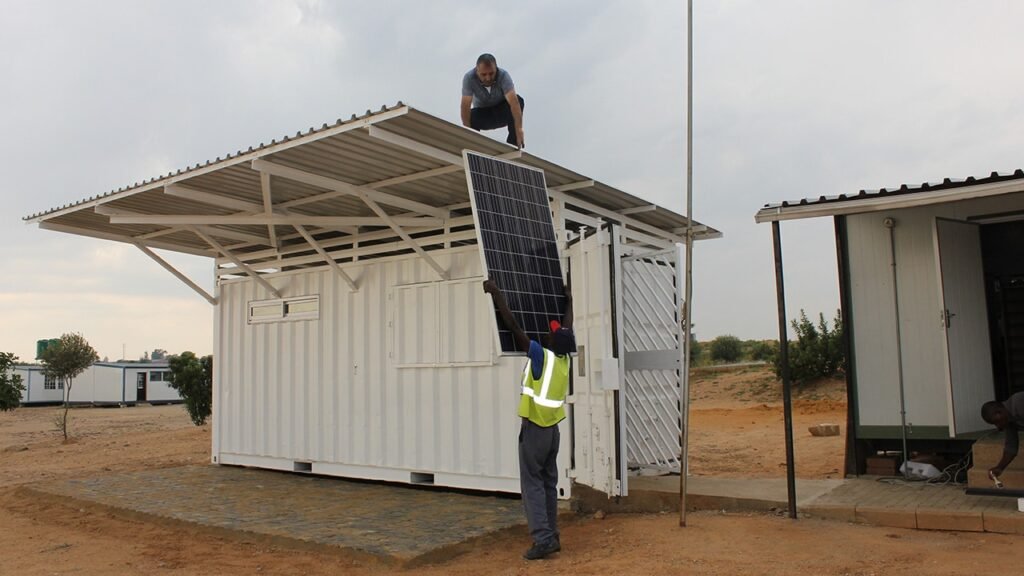
What stands out clearly in the latest data is the growing importance of Africa and Southeast Asia in the global solar market. These regions are no longer peripheral buyers. They are now key drivers shaping trade flows and influencing production patterns.
Southeast Asia recorded one of the most dramatic increases, with imports rising by about 267 percent year-on-year to over 673 million dollars. The Philippines alone accounted for a significant share, importing more than 100,000 tonnes of solar panels within the month.
Africa also posted impressive growth figures. Imports surged by 238 percent to approximately 438 million dollars. Countries like the Democratic Republic of Congo significantly ramped up purchases, moving from relatively small volumes to tens of thousands of tonnes within a year.
This sharp increase reflects a broader reality. Many African nations face persistent electricity shortages, with millions still lacking access to stable power. Solar energy offers a practical and scalable solution. The continent’s high solar irradiance makes it especially attractive for large-scale deployment, even though its installed capacity remains relatively low compared to global levels.
For Southeast Asia, rapid industrialisation and population growth are pushing energy demand to new levels. Governments across the region are increasingly turning to solar as a way to reduce dependence on fossil fuels and manage rising electricity needs.
Policy changes and global tensions fuel an export spike
While demand from developing regions is the headline story, other underlying factors also played a major role in pushing exports to record levels.
One key trigger was China’s decision to end certain export tax rebates on solar products from April 1. This policy shift created a rush among buyers to secure shipments before prices potentially increased.
At the same time, geopolitical tensions, particularly the ongoing conflict involving Iran, have disrupted global energy markets. Oil prices have remained volatile, with supply concerns forcing many countries to rethink their energy strategies.
This uncertainty has made renewable energy, especially solar, more attractive. Investors and governments alike are looking for alternatives that offer long-term stability. As a result, demand for solar panels has intensified, further boosting China’s export volumes.
Another contributing factor is the decline in key raw material costs such as silver, which is used in solar cell production. Lower input costs have made it easier for manufacturers to scale output and offer competitive prices in international markets.
Trade barriers reshape global solar flows
Interestingly, the rise of Africa and Southeast Asia as major buyers is partly a consequence of trade restrictions elsewhere.
Countries like the United States and India have imposed tariffs and other barriers on Chinese solar products. These measures were designed to protect domestic industries but have had the side effect of redirecting Chinese exports to alternative markets.
As a result, regions that were once secondary destinations are now receiving a larger share of shipments. Analysts describe this as a structural shift rather than a temporary adjustment. Over time, it could redefine global supply chains in the solar industry.
China’s dominance in solar manufacturing also plays a role. The country controls a significant portion of the global supply chain, from raw materials to finished panels. This gives it the flexibility to redirect exports quickly in response to changing market conditions.
For African and Southeast Asian countries, this shift presents both opportunities and challenges. On one hand, they gain access to affordable solar technology. On the other hand, increased dependence on imports raises questions about long-term energy independence and local manufacturing capacity.
What this means for Nigeria and Africa’s energy future
For Nigeria and other African countries, the surge in solar imports signals a major turning point. The continent has long struggled with unreliable electricity supply, and traditional power infrastructure has not kept pace with population growth.
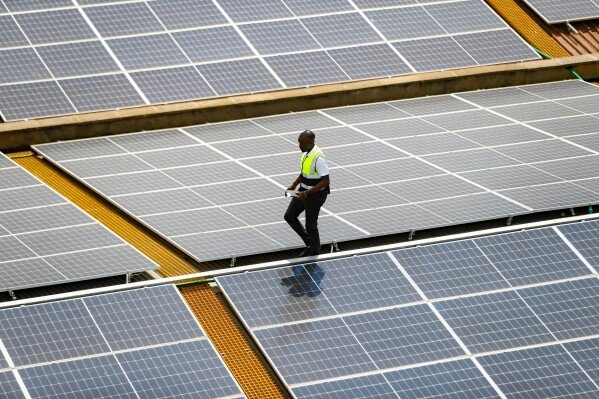
Solar energy offers a different pathway. It can be deployed quickly, scaled easily, and used in both urban and rural settings. From mini-grids in remote communities to large solar farms feeding national grids, the possibilities are extensive.
The recent spike in imports suggests that more governments and private investors are taking solar seriously. It also indicates that financing barriers, while still present, are gradually being addressed through partnerships and international funding.
However, there are important considerations. Infrastructure, storage capacity, and grid integration remain key challenges. Solar power is intermittent, meaning it requires complementary technologies such as batteries to ensure a consistent supply.
There is also the issue of local capacity. While importing panels solves immediate needs, long-term sustainability will depend on building domestic manufacturing and technical expertise. Without this, countries risk remaining dependent on external suppliers.
Outlook for the rest of 2026
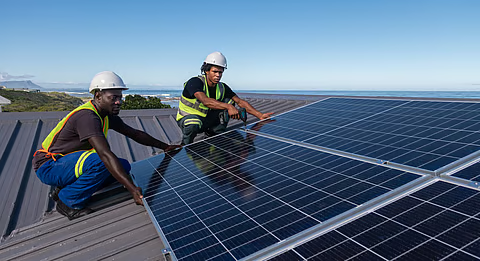
Despite the record-breaking performance in March, analysts expect exports to moderate in the coming months. The rush to beat the tax rebate deadline has likely pulled forward some demand that would otherwise have been spread across the year.
Even so, the broader outlook remains positive. High oil prices, ongoing geopolitical tensions, and the global push for cleaner energy are expected to sustain demand for solar technology throughout 2026.
More importantly, the underlying shift towards emerging markets appears set to continue. Africa and Southeast Asia are no longer just growth regions. They are becoming central players in the global energy transition.
For China, this presents an opportunity to deepen trade relationships and expand its influence in renewable energy. For importing countries, it offers a chance to accelerate electrification and reduce reliance on fossil fuels.
The challenge now lies in ensuring that this growth translates into long-term development. Investments in infrastructure, policy stability, and local industry will determine whether the current momentum leads to lasting change.
Join Our Social Media Channels:
WhatsApp: NaijaEyes
Facebook: NaijaEyes
Twitter: NaijaEyes
Instagram: NaijaEyes
TikTok: NaijaEyes