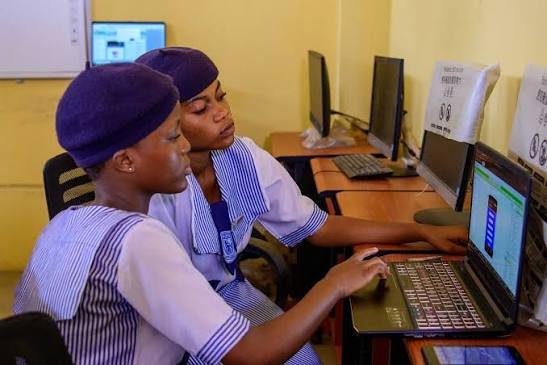

Nigeria has taken another decisive step in reshaping its education landscape as the Federal Government deepens its partnership with the United Kingdom, targeting world-class schooling, stronger skills development, and increased foreign investment. The move signals a broader strategy to reduce reliance on overseas education while positioning Nigeria as a competitive hub for global learning.

Strengthening Nigeria-UK Education Collaboration
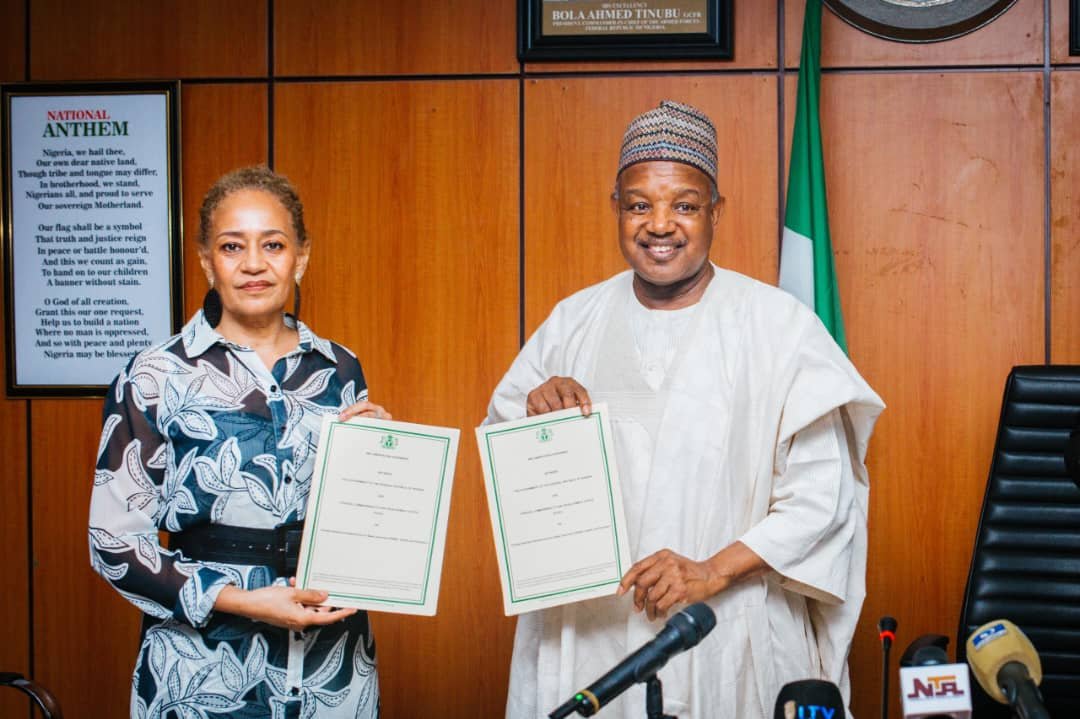
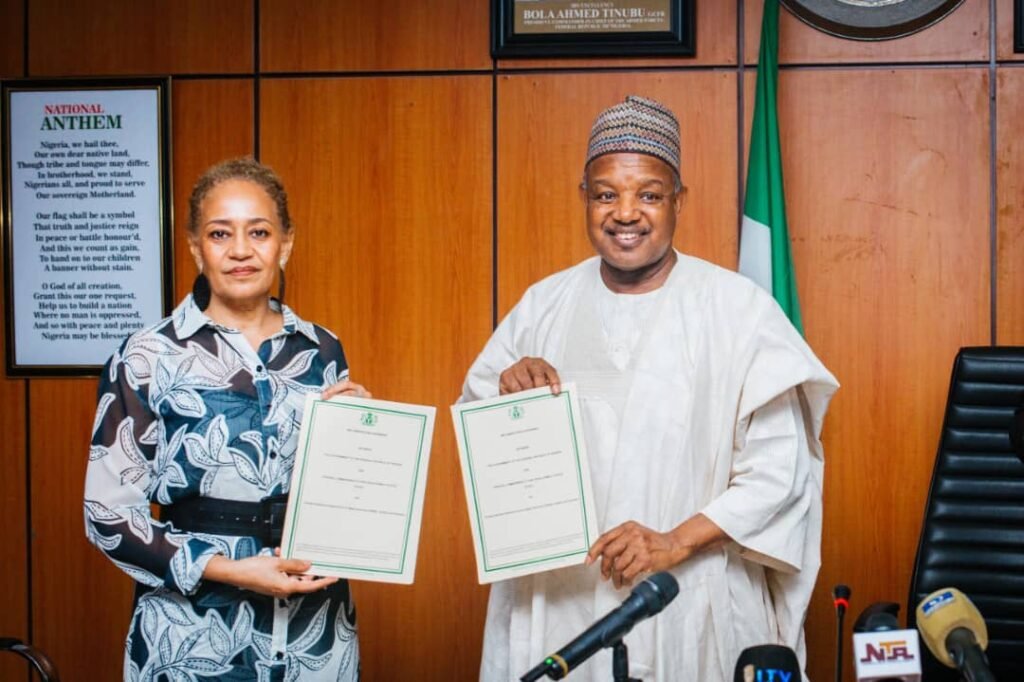
The renewed partnership was highlighted during a high-level visit by a Schools and Skills delegation from the UK Department for Business and Trade to the Federal Ministry of Education in Abuja. The engagement reflects long-standing ties between both countries, particularly in education, where thousands of Nigerians have historically studied in the UK.
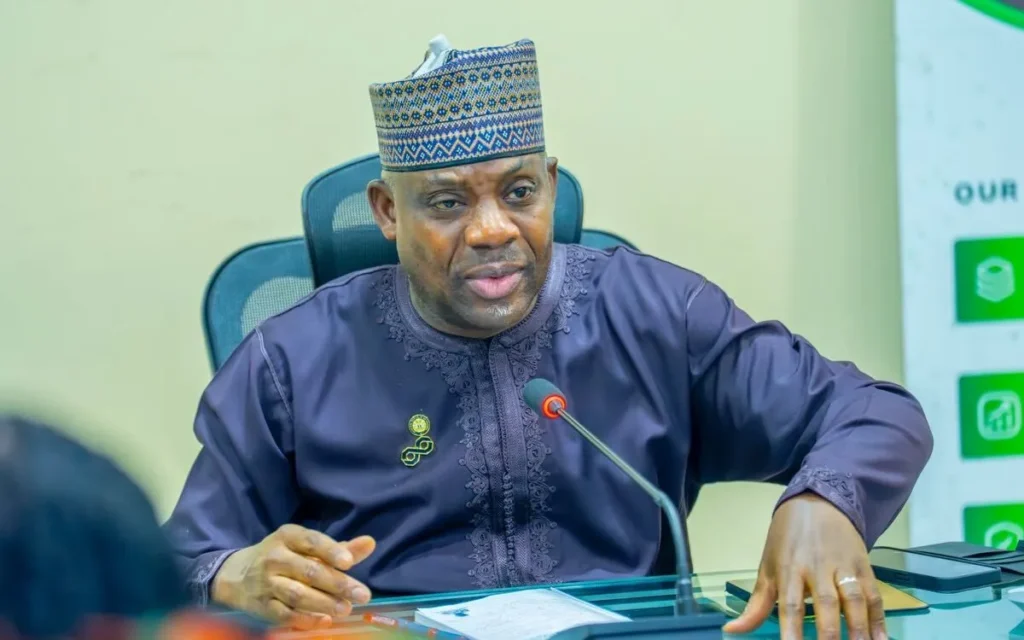
Nigeria’s Minister of Education, Dr Maruf Tunji Alausa, emphasised that the government is prioritising strategic collaborations that will expand access to globally competitive education within the country. According to him, the aim is to bring international-standard institutions closer to Nigerian students, reducing the need for costly study abroad options while maintaining quality.
This initiative is not happening in isolation. It aligns with broader Nigeria-UK relations that span trade, investment, and development partnerships. Education has remained a central pillar of that relationship, supported by strong cultural and academic exchange over decades.
Expanding Access to World-Class Education in Nigeria
A key focus of the partnership is the establishment of reputable international schools and institutions within Nigeria. The government believes that creating local access to world-class education will ease the financial burden on families who traditionally send their children abroad.
Recent economic realities have made foreign education more expensive for many Nigerians. The removal of foreign exchange subsidies has significantly increased the cost of studying overseas, making local alternatives not just attractive but necessary.
To address this gap, the Federal Government is encouraging foreign institutions to establish campuses in Nigeria. One notable example is the ongoing collaboration with Coventry University, which aims to deliver UK-accredited degrees locally. Under this arrangement, students will receive qualifications equivalent to those obtained in the United Kingdom, without leaving the country.
This approach is expected to democratise access to high-quality education, allowing more Nigerians to benefit from international standards at a reduced cost.
Skills Development and Economic Impact
Beyond academic qualifications, the Nigeria-UK partnership places strong emphasis on skills development. The goal is to equip Nigerian students with practical, job-ready competencies that align with global labour market demands.
Programmes under this collaboration are expected to cover key sectors such as science, technology, engineering, medicine, business, and technical education. These areas are critical to Nigeria’s economic growth and industrial development.
By strengthening skills training, the government hopes to tackle unemployment and improve workforce productivity. Graduates from these programmes are expected to be better prepared for both local and international opportunities, boosting employability and innovation.
There is also a clear economic angle to the initiative. Attracting foreign institutions to Nigeria will bring in investment, create jobs, and stimulate growth in the education sector. It will also reduce capital flight associated with Nigerians spending heavily on education abroad.
Positioning Nigeria as a Global Education Hub
The long-term vision behind the partnership is to position Nigeria as a leading education hub in Africa. With its large youth population and growing demand for quality education, the country presents a strong case for international institutions seeking expansion.
British schools and universities have already begun to recognise this opportunity. Several institutions are establishing a presence in Nigeria, offering British-style curricula and globally recognised qualifications. This trend reflects rising demand among Nigerian families for high-quality education that opens doors to global opportunities.
The Federal Government sees this as a chance to transform the education sector into a driver of economic development. By hosting international institutions, Nigeria can retain talent, attract students from other countries, and build a knowledge-based economy.
At the same time, the partnership reinforces Nigeria’s commitment to modernising its education system. By working with global partners, the country can adopt best practices, improve standards, and ensure that its graduates remain competitive in an increasingly interconnected world.
In the coming months, further developments are expected as agreements are finalised and implementation begins. Admissions into some of the planned programmes are projected to commence later in 2026, subject to regulatory approvals.
The deepening Nigeria-UK education partnership represents more than just policy direction. It marks a shift towards self-sufficiency in delivering world-class education, while still leveraging global expertise. For many Nigerian students and families, it could redefine access to quality education and open new pathways for future success.
Join Our Social Media Channels:
WhatsApp: NaijaEyes
Facebook: NaijaEyes
Twitter: NaijaEyes
Instagram: NaijaEyes
TikTok: NaijaEyes