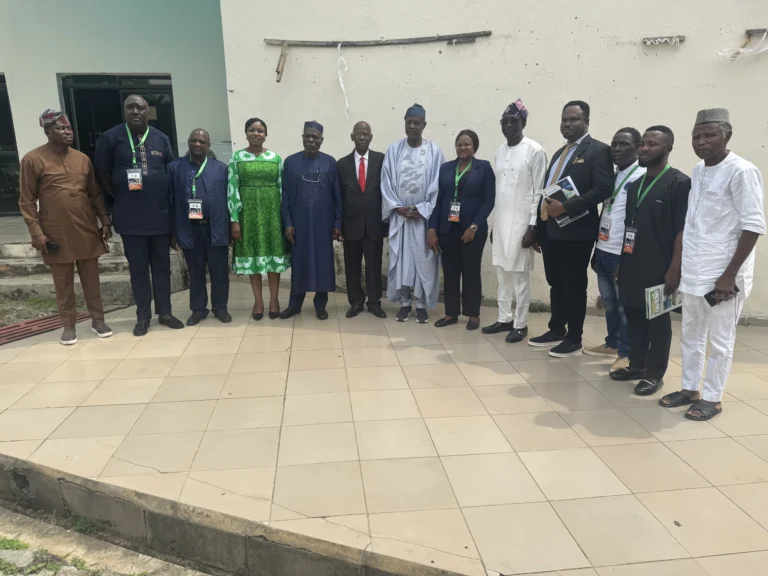
Africa’s higher education sector is entering a defining moment as artificial intelligence becomes central to teaching, research, and economic development. Across the continent, universities are no longer just adopting AI tools; they are actively shaping innovation ecosystems, building partnerships, and preparing a new generation of talent for a rapidly evolving global economy. At the forefront of this transformation is the University of Lagos, alongside several other African institutions that are setting a bold pace in 2026.
Recent developments show a clear shift from theoretical learning to practical, industry-linked innovation. Universities are now positioning themselves as hubs where technology meets real-world problem solving, reflecting a broader ambition to place Africa on the global AI map.

UNILAG Leads Nigeria’s AI Transformation Drive
At the centre of Nigeria’s AI movement is UNILAG, which has taken deliberate steps to embed artificial intelligence into its academic and innovation framework. One of its most notable achievements is the establishment of an Artificial Intelligence-focused University Innovation Pod, part of a wider national initiative backed by development partners. This initiative is designed to accelerate research, nurture startups, and bridge the gap between academia and industry.
The significance of this move goes beyond infrastructure. By hosting Africa’s first AI-focused innovation pod, UNILAG is creating an environment where students, researchers, and entrepreneurs can collaborate on cutting-edge solutions tailored to local and global challenges. The university has also strengthened its international relevance through collaborations with global tech organisations, including hosting the continent’s first OpenAI Academy, a milestone that signals Africa’s growing participation in the global AI conversation.
Officials involved in these initiatives have highlighted a critical advantage Nigeria brings to the table: human capital. The resilience, creativity, and talent of Nigerian youths are increasingly being recognised as key drivers of innovation. This belief is shaping policies and investments aimed at turning universities into engines of economic growth.
Beyond Lagos, the ripple effect of this transformation is being felt across multiple institutions in Nigeria. Universities such as Ahmadu Bello University, the University of Uyo, and others are establishing specialised innovation hubs focused on areas like industrial technology, green economy, and manufacturing. These centres are expected to drive research commercialisation and provide practical solutions to national development challenges.

African Universities Step Up in the Global AI Race
While Nigeria is making strong strides, it is not alone. Across Africa, universities are increasingly investing in artificial intelligence as a strategic priority. The trend reflects a broader continental recognition that AI is not just a technological tool but a key driver of economic competitiveness and social transformation.
Several African universities have begun integrating AI into their curricula, establishing research centres, and forming partnerships with global technology firms. These efforts are aimed at ensuring that African students are not left behind in the global digital economy. Instead, they are being equipped with skills that are directly relevant to emerging industries such as data science, machine learning, and automation.
This shift is also addressing a long-standing challenge in African education: the gap between academic training and industry needs. By focusing on practical applications and industry collaboration, universities are producing graduates who are better prepared for the workforce. At the same time, they are fostering innovation ecosystems that can support startups and attract investment.
Importantly, these developments are not happening in isolation. They are part of a broader movement to reposition Africa as a contributor to global technological advancement, rather than just a consumer of imported solutions. Universities are playing a central role in this transformation by serving as hubs for research, talent development, and innovation.
Partnerships, Innovation Hubs and Real World Impact
A defining feature of Africa’s AI push is the growing emphasis on partnerships. Universities are collaborating with international organisations, governments, and private sector players to build robust innovation ecosystems. These partnerships are critical for providing funding, expertise, and access to global networks.
In Nigeria, the network of innovation pods linked to UNILAG is a clear example of this collaborative approach. Each participating university focuses on a specific area of technology, creating a distributed system of innovation that addresses diverse national needs. From agriculture to manufacturing, these hubs are expected to generate solutions that can be scaled across the country and beyond.
Another key aspect of this transformation is the focus on commercialisation. Universities are no longer content with conducting research that remains within academic journals. Instead, they are actively seeking to turn research outputs into market-ready products and services. This approach is expected to drive economic growth, create jobs, and position Africa as a competitive player in the global technology landscape.
The role of international organisations has also been significant. Development agencies and global tech firms are investing in capacity-building initiatives that aim to equip African students with the skills needed to thrive in an AI-driven world. These initiatives often include training programmes, mentorship opportunities, and access to cutting-edge tools and platforms.
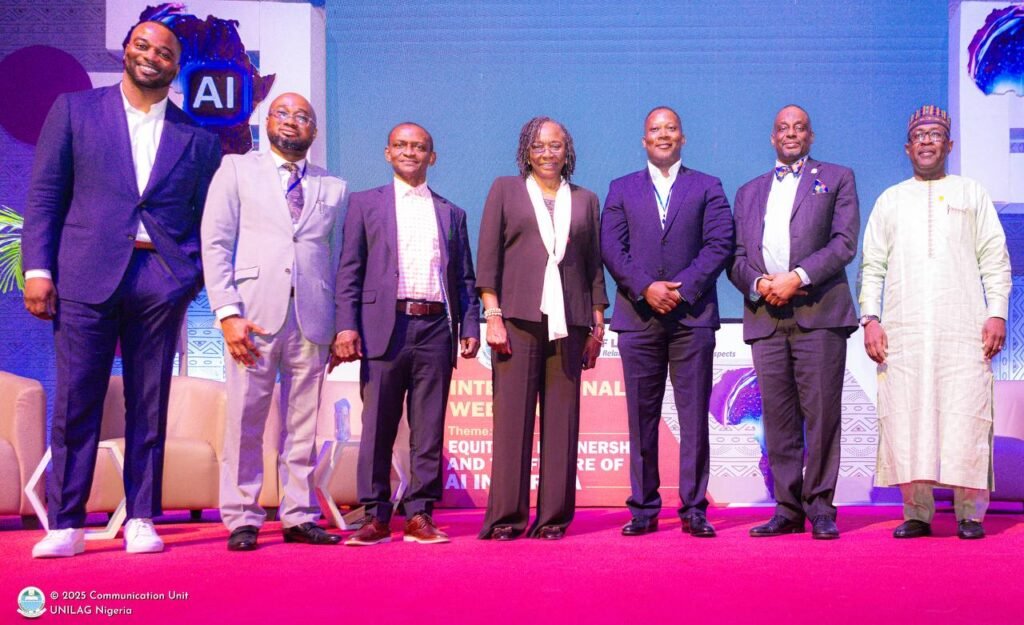
Challenges, Opportunities and the Road Ahead
Despite the progress, Africa’s AI journey is not without challenges. Issues such as limited infrastructure, funding constraints, and unequal access to technology continue to pose significant barriers. However, these challenges are increasingly being addressed through targeted investments and policy reforms.
One of the biggest opportunities lies in Africa’s youthful population. With a rapidly growing number of young people entering the workforce, there is a unique chance to build a talent pipeline that can support the continent’s digital transformation. Universities are central to this effort, serving as the primary institutions for training and skill development.
There is also a growing recognition of the need for inclusive and locally relevant AI solutions. Rather than simply adopting technologies developed elsewhere, African universities are focusing on creating solutions that address local challenges, from healthcare delivery to agricultural productivity. This approach not only ensures relevance but also positions Africa as an innovator in its own right.
Looking ahead, the success of Africa’s AI push will depend on sustained investment, strong partnerships, and a commitment to innovation. Universities like UNILAG have shown what is possible when these elements come together. The challenge now is to scale these efforts across the continent and ensure that the benefits of AI are widely shared.
As 2026 unfolds, one thing is clear: African universities are no longer on the sidelines of the global technology race. They are active participants, shaping the future of artificial intelligence and redefining what is possible for the continent.
Join Our Social Media Channels:
WhatsApp: NaijaEyes
Facebook: NaijaEyes
Twitter: NaijaEyes
Instagram: NaijaEyes
TikTok: NaijaEyes