Nigeria’s food inflation persists as N7.65 trillion import bill fails to lower prices.
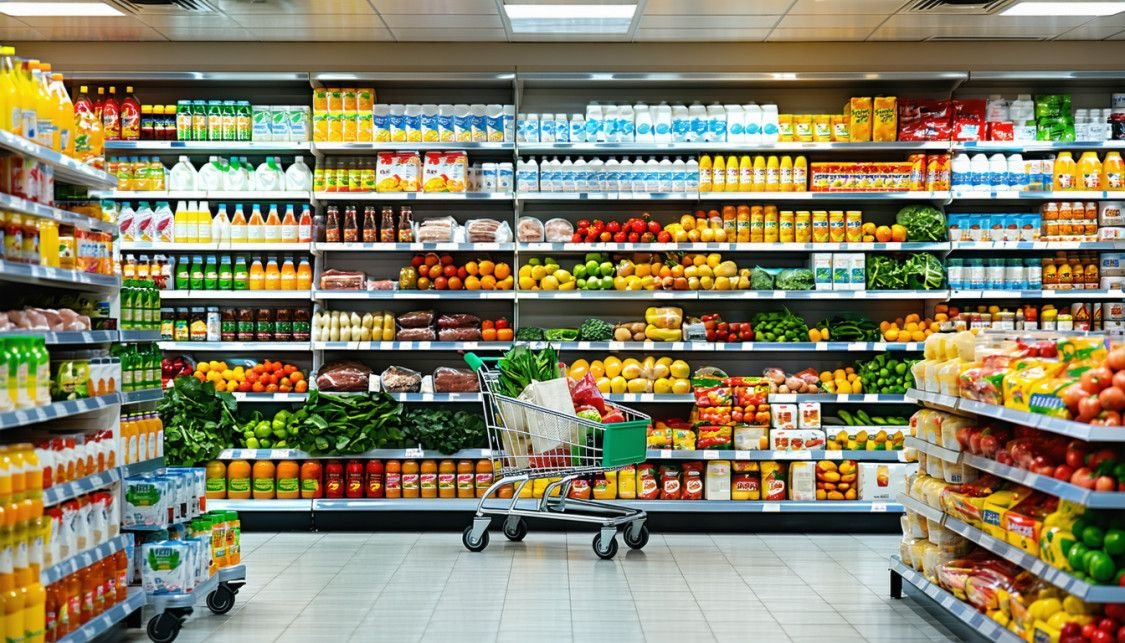
Nigerian households are facing a difficult reality this April. Despite massive spending, food prices remain stubbornly high across the federation. Recent data shows that Nigeria spent a staggering N7.65 trillion on food imports in 2025.
This follows a trend of increasing costs since 2023. Back then, the bill was just N3.83 trillion. As an editor, I see a clear disconnect between policy and the market. The Federal Government has tried various interventions.
They distributed billions in palliatives to the 36 states. They even introduced a zero-duty levy on some food imports. Yet, the average citizen is not feeling any relief. Food inflation currently stands at 14.31% year-on-year.
Structural inefficiencies and the broken agricultural supply chain
Experts argue that money alone cannot solve this crisis. Our food system is plagued by deep structural issues. Dr. Adebayo Oladipo, an agricultural economist, highlights the role of post-harvest losses. Nigeria loses a huge portion of its harvest before it reaches the market.
This is due to poor storage and bad roads. Without fixed supply chains, extra funding will not lower prices. Furthermore, insecurity in food-producing regions keeps farmers away from their lands.
Many are producing far below their full capacity. This reduces the total supply of food in our markets. When supply is low, prices naturally climb regardless of imports.
Macroeconomic pressures driving the cost of every meal.
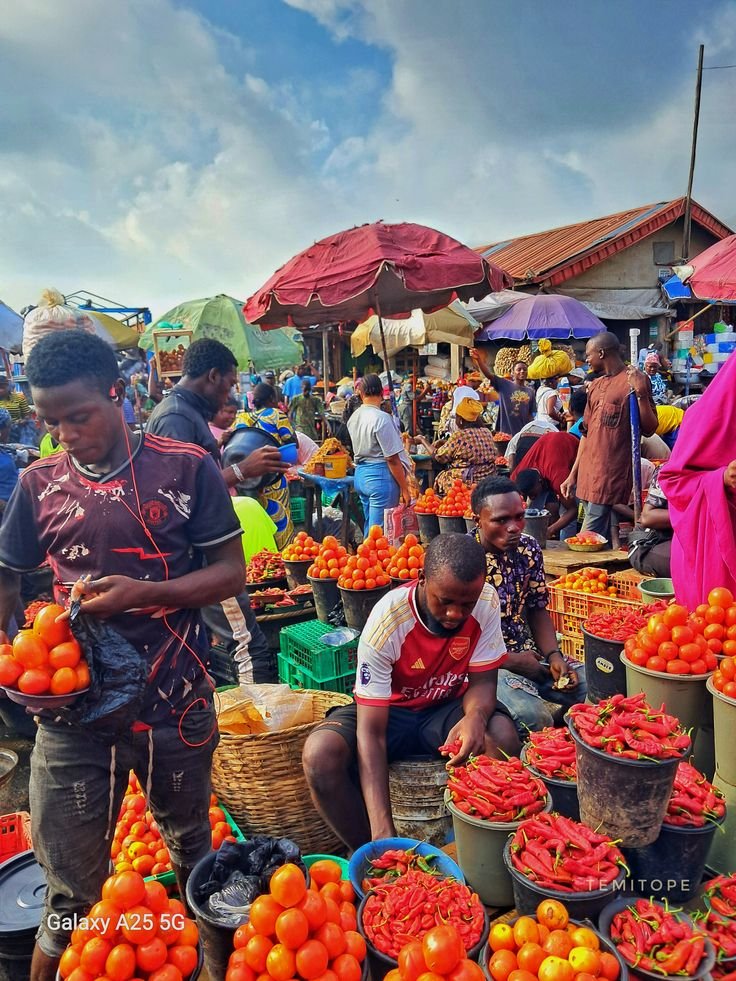
The economy at large is also pushing food prices upward. Rising fuel costs have made transportation and logistics much more expensive.
Dr. Zainab Usman points out that these costs are passed to consumers. From the farmgate to the retail shop, every step is now costlier. Currency volatility is another major factor in this equation. Nigeria relies on imports for many agricultural inputs.
We pay for fertilizers, seeds, and machinery in foreign currency. This makes even locally produced food more expensive. Ibrahim Yusuf, an economist, describes this as a “cost-of-living crisis.” Households are forced to cut back on both quantity and quality.
The risks of import dependence and the path to stability
Relying on imports to solve hunger is a risky strategy. While it helps in the short term, it leaves us vulnerable. We are exposed to global price swings and exchange rate shocks.
True resilience must come from strong domestic production. The government has recently unveiled a N1 billion reform for agricultural education.
There is also a N250 billion facility for smallholder farmers. These are steps toward a more sustainable future. However, experts agree that we need a more coordinated strategy. We must link agriculture with infrastructure, energy, and trade policy. Only through strategic investment can we achieve lasting price stability.
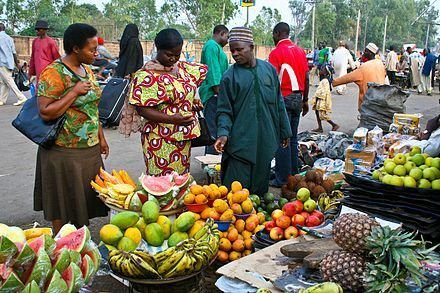
Nigeria food price surge 2026 analysis.
Join Our Social Media Channels:
WhatsApp: NaijaEyes
Facebook: NaijaEyes
Twitter: NaijaEyes
Instagram: NaijaEyes
TikTok: NaijaEyes