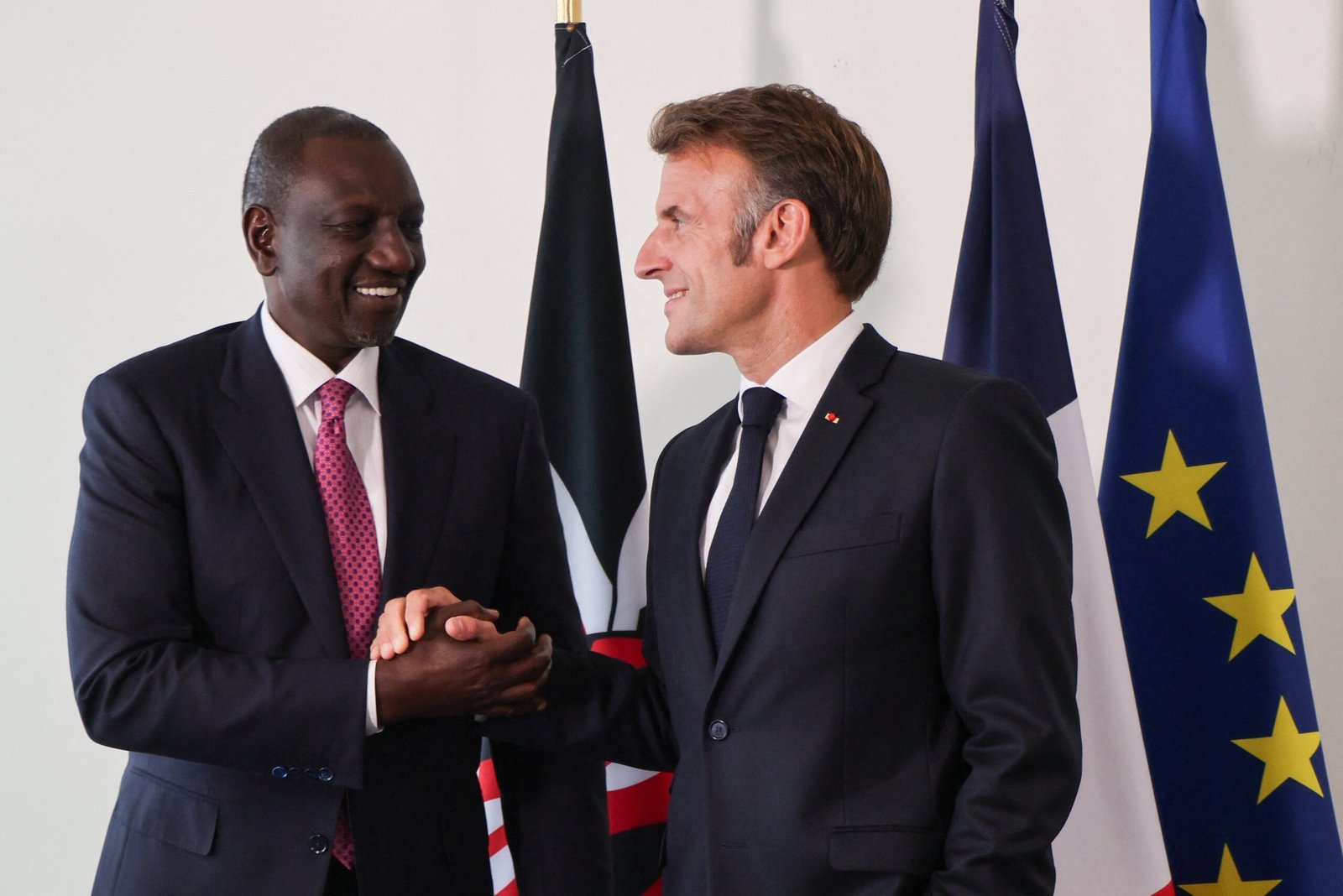

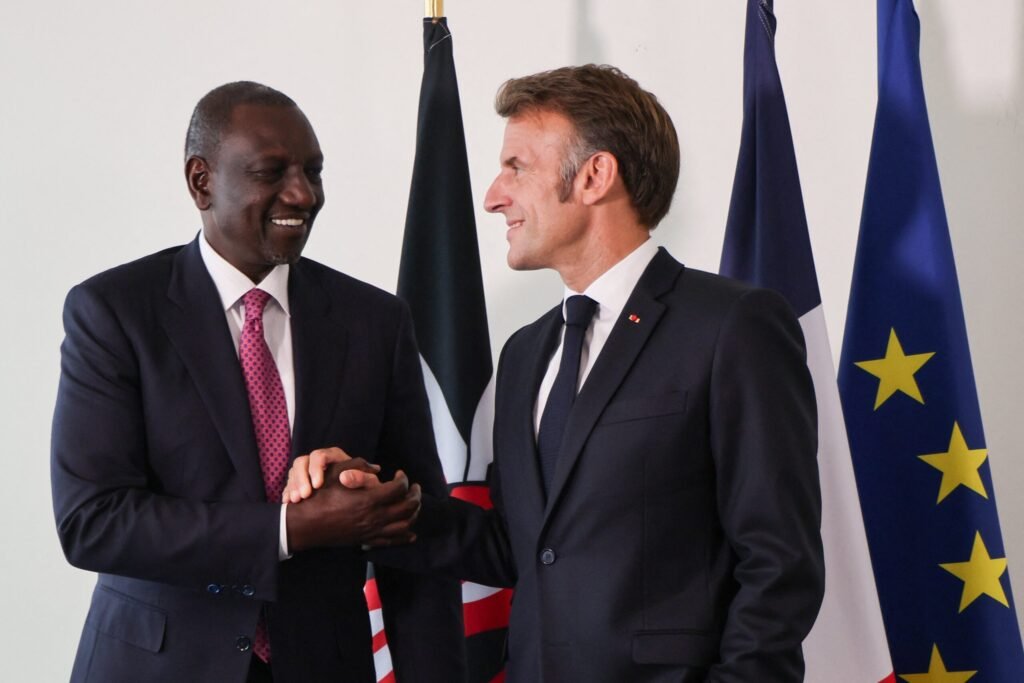
According to a report by Reuters, France is making a fresh push to rebuild its relationship with Africa after years of diplomatic setbacks in several West African countries that were once considered its strongest allies on the continent. Next week, French President Emmanuel Macron will travel to Kenya for a major Africa summit in Nairobi, marking the first time the long-running France-Africa gathering will take place in an English-speaking African nation.
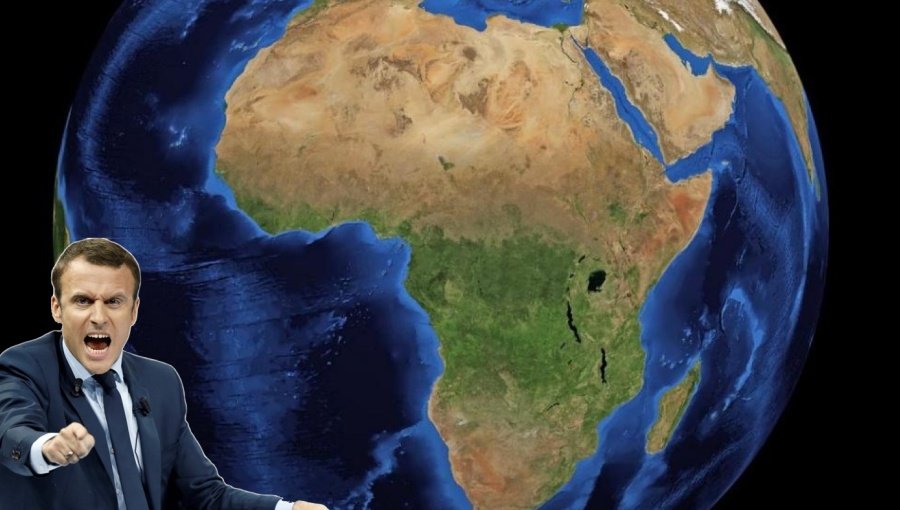
The summit comes at a delicate moment for France. Over the past few years, Paris has watched its influence shrink dramatically across the Sahel and parts of Francophone West Africa. Military governments in countries such as Mali, Burkina Faso and Niger have cut military ties with France, expelled French troops and moved closer to Russia for security support.
Now, France appears determined to reposition itself as a broader African partner rather than a power tied mainly to its former colonies. The Nairobi summit, officially branded the “Africa Forward Summit”, is expected to focus on trade, innovation, infrastructure, technology, clean energy and development financing.
French officials say the gathering is meant to showcase a “renewed partnership” between France and African countries. But many analysts believe it is also an attempt by Paris to repair its damaged image and maintain relevance on a continent where global powers, including China, Russia, the United States, Turkey and Gulf states, are all competing for influence.
For African leaders, the summit presents another opportunity to attract investment and negotiate better economic deals at a time when many governments are struggling with debt, unemployment and rising pressure from young populations demanding economic opportunities.
Kenyan President William Ruto is expected to co-host the summit alongside Macron. Kenya has increasingly positioned itself as a diplomatic and economic bridge between Africa and Western powers.
France’s African Strategy Faces New Reality
For decades, France maintained deep political, military and economic influence across many African nations, especially former colonies. The relationship often gave Paris significant leverage in regional affairs, security cooperation and business deals.
However, the situation has changed rapidly since 2020.
A wave of coups in the Sahel transformed the political landscape and triggered growing anti-French sentiment. Protesters in some countries accused France of maintaining neo-colonial influence while failing to stop worsening insecurity caused by extremist violence. French military missions that once operated across the region gradually became politically unpopular.
The symbolic turning point came when Bassirou Diomaye Faye pushed for the closure of France’s last major military base in Senegal, arguing that foreign military installations were inconsistent with Senegalese sovereignty.
Security analysts say France underestimated the scale of resentment that had built up over decades. Many younger Africans increasingly want relationships with foreign powers based more on equal partnerships and economic opportunities than on historical ties.
At the same time, China has expanded aggressively across Africa through infrastructure financing, construction projects and trade agreements. Gulf countries have also increased investment in ports, logistics, agriculture and renewable energy. Russia, meanwhile, has gained influence in some conflict zones through military cooperation agreements and private security partnerships.
This changing environment has forced France to rethink its strategy.
Rather than relying heavily on military cooperation and old political networks, Macron’s administration is trying to focus more on business partnerships, education, cultural exchange, technology and climate investment.
French imports from Africa reportedly increased significantly between 2021 and 2024 as Paris sought to deepen economic ties beyond traditional alliances.
The strategy also includes stronger engagement with Anglophone African countries like Kenya and Nigeria, where France sees growing economic potential.
Nigeria and Kenya Become Key Players in France’s New Push
Nigeria is emerging as one of the most important countries in France’s new Africa strategy. In 2024, France and Nigeria signed a €300 million investment agreement aimed at supporting infrastructure, healthcare, transportation and renewable energy projects.
The deal reflects France’s growing interest in Africa’s largest economy and most populous country. Nigeria’s expanding tech ecosystem, youthful population and energy market have attracted increasing global attention in recent years.
French businesses are also showing stronger interest in sectors such as clean energy, digital innovation and artificial intelligence across Africa. These areas are expected to feature prominently during discussions in Nairobi.
Kenya, meanwhile, has become central to France’s diplomatic pivot. The two countries signed a defence cooperation pact in 2025 covering intelligence sharing, maritime security and peacekeeping collaboration.
Yet Kenya also highlights the limits of French influence in Africa’s increasingly competitive investment landscape.
Last year, the Kenyan government cancelled a $1.5 billion highway expansion deal involving French company Vinci after officials argued the arrangement exposed the country to excessive financial risk. The project was later handed to Chinese firms.
That decision served as a reminder that African governments are becoming more transactional and less tied to historical alliances. Countries now frequently compare offers from multiple global partners before deciding who gets access to major projects.
For France, this means it must compete more aggressively on financing, technology transfer and local economic impact rather than relying on long-standing political relationships.
Still, analysts say France may have advantages in sectors such as education, renewable energy, urban infrastructure and development finance, especially if it can position itself as a collaborative partner instead of a dominant external power.
Back Story: From “Francafrique” to a Search for Equal Partnership
When Macron became president in 2017, he promised to move away from the old system known as “Francafrique”, a term used to describe France’s complex political and economic networks across former African colonies.
For decades, critics argued that the system allowed France to maintain excessive influence over African politics while supporting friendly governments and protecting French business interests. The model increasingly faced criticism from African activists, intellectuals and younger generations demanding greater independence and transparency.
Macron attempted to reset the relationship by acknowledging historical grievances and encouraging stronger engagement with African youth, entrepreneurs and civil society groups. France also tried to improve strained ties with countries like Rwanda and Algeria.
But despite those efforts, resentment toward France continued growing in parts of West Africa where insecurity, economic hardship and political instability deepened public frustration.
The Africa Forward Summit in Nairobi is therefore more than a diplomatic gathering. It represents France’s attempt to redefine its role in Africa at a time when the continent is becoming one of the world’s most strategically important regions.
Africa’s population is projected to grow rapidly over the coming decades, while its markets, mineral resources, renewable energy potential and digital economy continue attracting global attention. Countries around the world increasingly see Africa as central to future economic growth and geopolitical competition.
For African nations, the challenge is how to balance these competing interests while securing better trade terms, sustainable financing and genuine economic development.
For France, the Nairobi summit may determine whether Macron’s vision of a new Africa-France partnership can survive after years of diplomatic setbacks in West Africa.
Join Our Social Media Channels:
WhatsApp: NaijaEyes
Facebook: NaijaEyes
Twitter: NaijaEyes
Instagram: NaijaEyes
TikTok: NaijaEyes