The Naira’s Difficult Week: Exploring the Tug-of-War Between Reserves and Demand

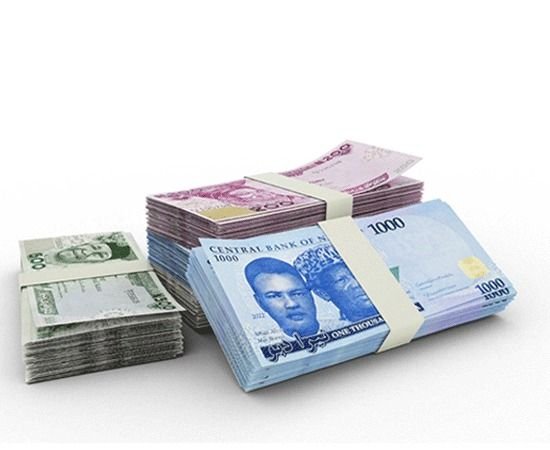
The Nigerian financial market is currently navigating a bumpy stretch. Recent data from the official trading window indicates that the Naira has slipped to a fresh low.
On Monday, the currency closed at N1,369 against the US dollar. This move represents a noticeable dip from the N1,361.5 recorded just before the weekend.
For context, we haven’t seen the Naira at this specific level since early April. It highlights a persistent trend of depreciation that has many market watchers on high alert.
Pressure on the National Safety Net
One of the most talked-about factors behind this shift is the state of our external reserves. In less than a month, the country’s foreign exchange buffers have shrunk by about $731 million.
This drawdown moved the reserves from over $49 billion at the start of April down to approximately $48.44 billion. While these numbers might seem abstract, they represent the Central Bank’s primary tool for stabilizing the currency and paying national bills.
When reserves decline, it often signals that the demand for dollars is outpacing what is coming in from oil sales and foreign investment.
Even though global oil prices have seen a slight bump with Brent crude hitting $106, domestic supply constraints are still weighing heavily on the local market. The “liquidity crunch” is real, and it is making the job of managing the exchange rate significantly harder for the monetary authorities.
A Disconnect from Global Trends.
Interestingly, the Naira’s current struggle comes at a time when the US dollar is actually showing some weakness on the global stage.
Typically, when the dollar index drops, emerging market currencies like the Naira get a bit of breathing room. However, Nigeria is currently facing a “domestic disconnect.
” Our internal supply issues and the massive backlog of demand from importers and manufacturers are drowning out any relief from international trends.
Despite the slipping numbers, the Central Bank leadership remains firm in its long-term outlook. Governor Olayemi Cardoso has urged calm, suggesting that these fluctuations are a normal part of the reform process.
The bank is still holding onto its goal of reaching $51 billion in reserves by the end of the year. This optimism is based on a strategy of rebuilding confidence and attracting more sustainable capital inflows over the coming months.
What Lies Ahead for Investors.
For the average business owner or investor, the focus remains on the upcoming policy meetings.
Everyone is looking for signs of whether the current intervention strategy can be sustained. If the reserves continue to thin out without a significant boost in supply, the pressure on the Naira may persist.
However, the silver lining remains the broader commitment to transparency and market-driven rates. The path to a stable currency is rarely a straight line.
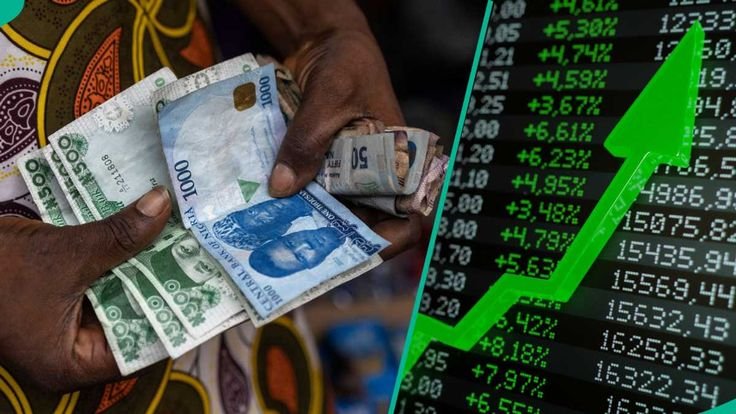
As the market searches for a new equilibrium, the resilience of the Nigerian economy is once again being put to Naira depreciation and external reserves.
Join Our Social Media Channels: