Market Pressure: Understanding the Naira’s Slip to N1,383
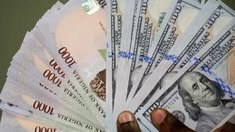
The Nigerian financial market is facing a challenging week. Recent data from the official trading window shows the Naira experiencing another setback. On Tuesday, the local currency closed at N1,383 against the US dollar.
This move represents a notable slide from Monday’s closing rate of N1,369. For those who track these numbers closely, this is the weakest the currency has been since early April. It highlights a period of renewed volatility that is testing the nerves of investors and everyday citizens alike.
The Dynamics of Reserve Drawdowns
A key factor behind this depreciation is the steady decline in our national external reserves. Central Bank of Nigeria (CBN) records show that reserves fell to $48.38 billion this week.
This marks a drop of about $124 million in just seven days. These reserves act as a vital cushion for the economy. They are used to fund international debt and stabilize the exchange rate during periods of high demand.
The current drawdown suggests that the apex bank is working hard to meet the dollar needs of importers and manufacturers. However, when the “vault” starts to thin out, it often signals to the market that supply might remain tight.
This perception naturally puts downward pressure on the Naira. While the CBN has various tools to manage this, the immediate impact is felt in the daily trading figures.
Global Forces and Local Impact
It isn’t just internal factors at play. The global stage is also exerting pressure on our domestic currency. Currently, the US dollar is showing strength as international investors look for “safe havens” amid Middle East tensions.
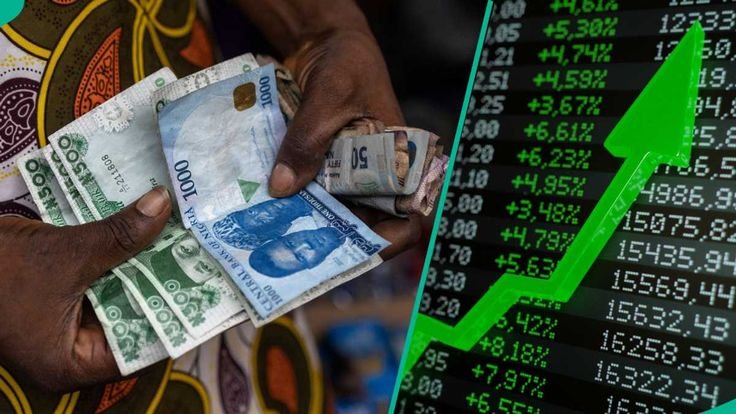
Furthermore, many are awaiting key policy decisions from the US Federal Reserve. These global shifts often draw capital away from emerging markets like Nigeria, making the dollar more expensive here.
Domestically, the demand for foreign exchange continues to outpace the available supply. Even though some corporate results, like those from GTCO and UBA, show strong bank performance, the broader currency market remains fragile.
The disconnect between healthy bank profits and a weakening Naira is a paradox many analysts are currently untangling.
The Long-Term Outlook
Despite the current dip, the leadership at the Central Bank remains optimistic. Governor Olayemi Cardoso has consistently stated that these short-term movements should not trigger panic. The bank is maintaining its medium-term goal of rebuilding the reserves to $51 billion by the end of the year.
The focus remains on attracting more sustainable foreign investment and boosting local exports.
If these structural reforms take hold, the Naira could find a more stable floor. For now, the market is in a period of discovery, watching every figure for signs of a turnaround.
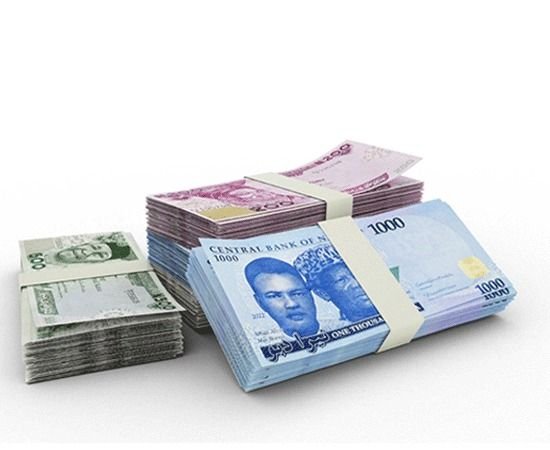
Naira weakens to N1383
Join Our Social Media Channels:
WhatsApp: NaijaEyes
Facebook: NaijaEyes
Twitter: NaijaEyes
Instagram: NaijaEyes
TikTok: NaijaEyes