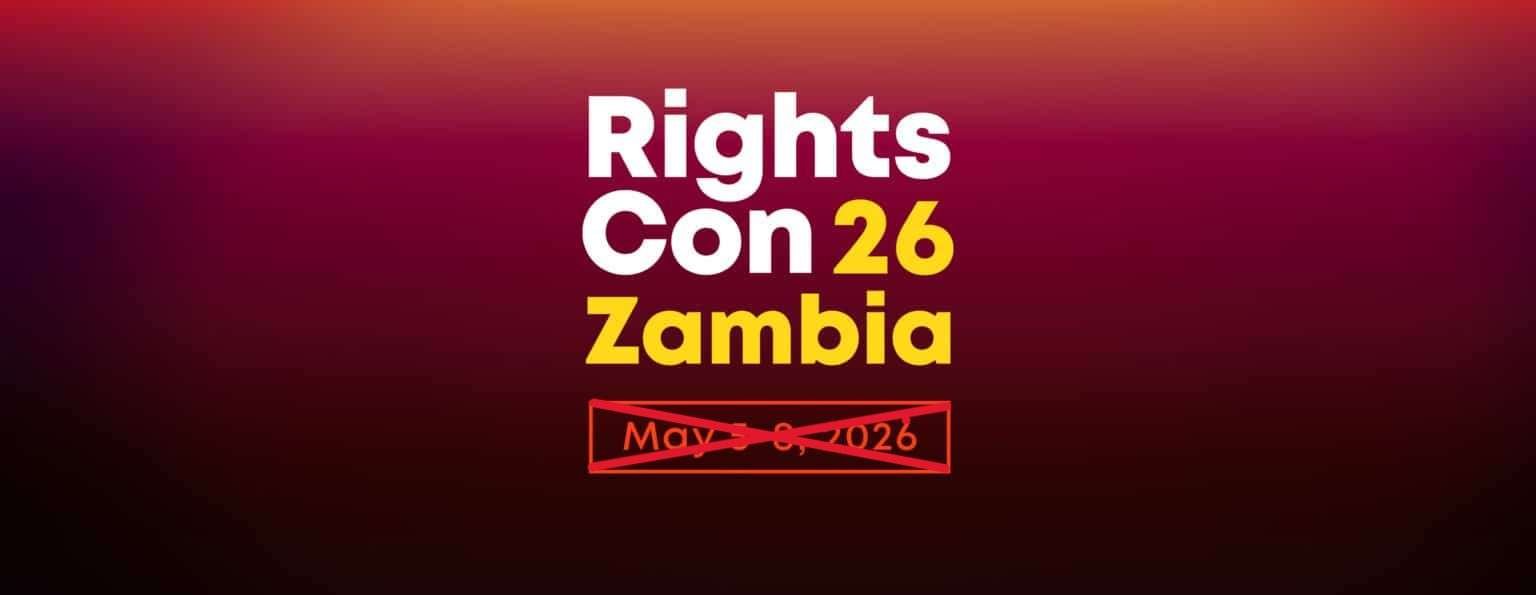

Zambia has found itself at the centre of global attention after the government cancelled the highly anticipated RightsCon 2026 summit, widely regarded as the world’s largest conference on human rights and technology. The event was originally scheduled to take place in Lusaka from May 5 to May 8, bringing together thousands of activists, policymakers, researchers, and technology leaders from across the world.
The cancellation came just days before the opening ceremony, leaving organisers, delegates, and civil society groups stunned. According to official communication from Zambian authorities, the decision was linked to pending administrative and security clearances, as well as concerns about alignment with national values and regulatory processes.
However, the explanation has done little to calm criticism, as global observers question whether deeper political and diplomatic pressures influenced the move.
Rising Tensions Over Digital Rights, Governance and Foreign Influence
RightsCon has built a reputation as a major global platform for discussing sensitive digital issues such as artificial intelligence governance, online surveillance, internet freedom, disinformation, and human rights in the digital age. The 2026 edition was expected to attract more than 2,600 participants from over 150 countries, including representatives from major technology firms, civil society organisations, and international institutions.
The sudden cancellation has sparked concern among human rights advocates who argue that the decision reflects a shrinking civic space in Zambia. Groups such as Human Rights Watch and Access Now have suggested that political sensitivities around digital rights discussions may have played a role, especially given Zambia’s increasing engagement with global powers and its dependence on foreign partnerships.
Reports also suggest that tensions may have been heightened by disagreements over participation rules for certain international groups, including Taiwanese civil society representatives, which allegedly created diplomatic friction.
While the Zambian government has not confirmed these claims, civil society organisations insist that the lack of transparency raises serious questions about freedom of expression and the independence of civic dialogue in the country.

Back Story: Why RightsCon 2026 Was So Important
RightsCon is not just another international conference. It is one of the most influential global gatherings focused on the intersection of human rights and technology. Over the years, it has become a meeting point where activists, tech companies, academics, and policymakers debate how digital systems affect democracy, privacy, and freedom of expression.
The 2026 edition was especially significant because it was expected to address urgent global issues such as artificial intelligence regulation, online censorship, government surveillance, data protection, and the growing role of digital platforms in shaping political discourse.
Zambia had earlier positioned itself as a proud host, with officials welcoming the summit as part of the country’s broader ambition to strengthen its digital economy and international cooperation. Preparations had already begun, including venue arrangements and visa support for participants.
The sudden reversal, therefore, was not only unexpected but also disruptive. Many participants had already booked travel and accommodation, while organisations had invested time and resources into preparing sessions and presentations.
Civil society groups argue that the cancellation sends a worrying signal about the stability of Zambia’s civic environment, particularly at a time when digital governance is becoming a key global priority.
Global Reactions and What This Means for Digital Rights
The cancellation of RightsCon 2026 has triggered strong reactions across the international community. Human rights organisations have described the move as a setback for global digital rights advocacy, warning that it could discourage future hosting of similar events in politically sensitive environments.
Critics argue that when governments intervene in platforms designed for open dialogue, it undermines trust and limits opportunities for meaningful global collaboration. They also warn that such actions may reflect broader geopolitical tensions shaping how digital governance conversations are held across regions.
In Zambia, the decision has also sparked domestic debate. Some civil society voices say it risks damaging the country’s reputation as a democratic and open society, especially as it approaches a politically sensitive election period. Others insist that governments have a right to enforce regulatory compliance, but stress that transparency is essential to maintain public confidence.
On the international stage, the incident highlights the increasing overlap between technology policy, diplomacy, and human rights. As digital systems become more powerful, conferences like RightsCon are becoming key arenas for shaping global norms. The cancellation, therefore, raises questions about who gets to participate in these conversations and under what conditions.
For now, organisers have confirmed that the event will not proceed in Zambia as planned, though future arrangements remain uncertain. What is clear, however, is that the cancellation has already become a symbol of the ongoing struggle between state authority, global digital governance, and civil society advocacy.
As discussions continue, many observers say the situation underscores a broader reality: the future of digital rights is not only being shaped in tech hubs and boardrooms, but also in political decisions made far from the spotlight.
Join Our Social Media Channels:
WhatsApp: NaijaEyes
Facebook: NaijaEyes
Twitter: NaijaEyes
Instagram: NaijaEyes
TikTok: NaijaEyes