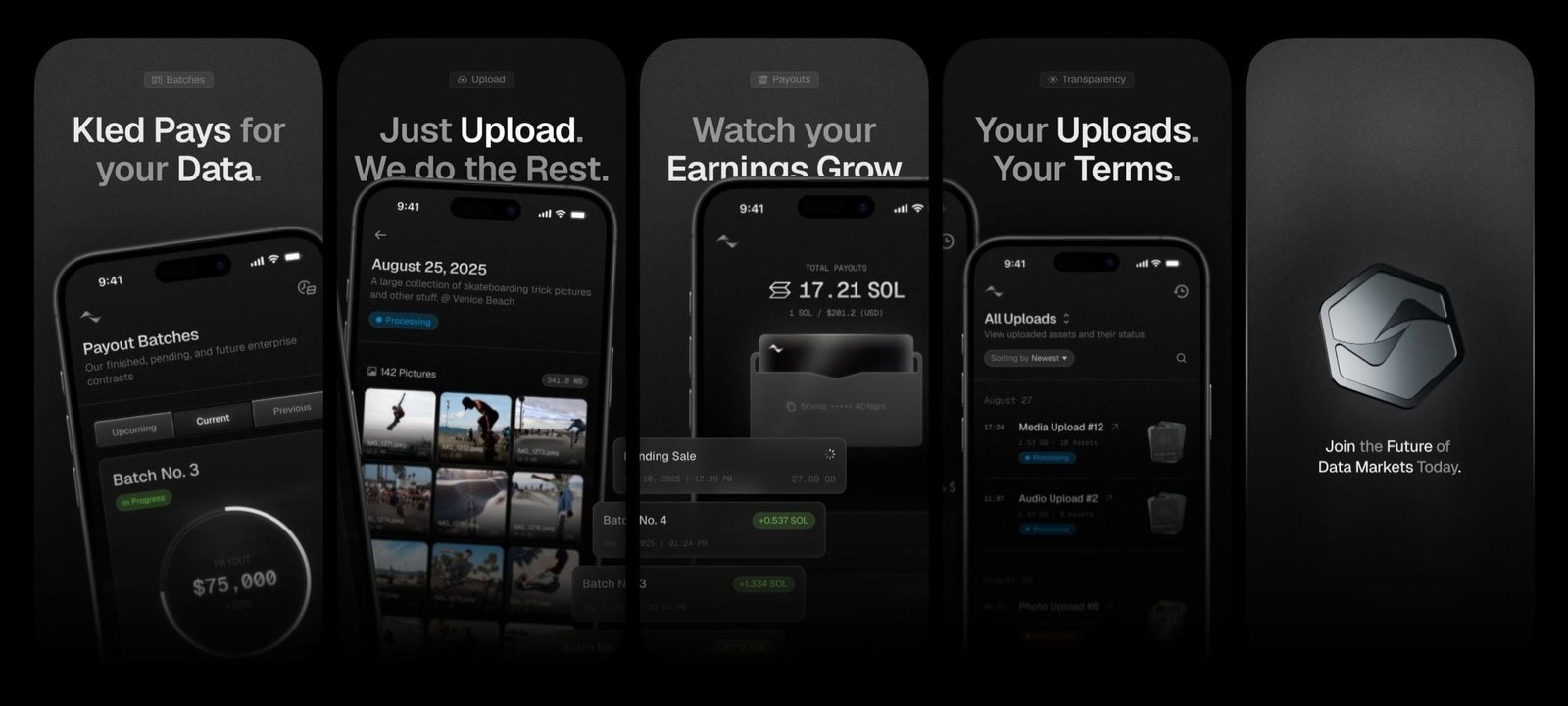

A popular digital platform, Kled, has officially pulled out of Nigeria after what insiders describe as a surge in fraudulent activities that made continued operations unsustainable. The decision, which reportedly included removing the app from local app stores and restricting access within the country, highlights growing concerns about trust, regulation and user behaviour in Nigeria’s fast-expanding fintech space.
According to reports, the company cited widespread abuse of its system as the primary reason for the exit. This abuse ranged from coordinated fraudulent activities to exploitation of platform features designed for legitimate users. While the company did not release a full technical breakdown, statements attributed to its leadership suggest that the scale of fraud had reached a level where mitigation efforts were no longer effective.
For many Nigerian users, the development came as a surprise, especially given the country’s reputation as one of Africa’s largest and most active digital markets. However, industry observers say the move reflects a deeper issue that has plagued several fintech platforms operating in the country: balancing rapid growth with strong fraud prevention systems.
Nigeria remains a key market for digital services due to its young population, high mobile penetration and increasing appetite for online financial tools. Yet, these same factors also create an environment where fraudsters can operate at scale, often staying ahead of enforcement mechanisms.

Fraud Pressure Forces Tough Exit Decision
Kled’s withdrawal underscores a broader challenge within Nigeria’s digital ecosystem. Fraud, particularly in financial and quasi-financial apps, has become increasingly sophisticated, involving identity manipulation, multiple account abuse and coordinated exploitation of referral or reward systems.
Experts note that many platforms entering emerging markets often underestimate the level of adaptation required to manage fraud risks. What works in more tightly regulated or lower-risk environments may fail quickly when exposed to high-volume, high-ingenuity fraud attempts.
The situation is not unique to Kled. Investigations into Nigeria’s digital lending space have revealed widespread issues, including deceptive practices, inflated interest rates and aggressive recovery tactics. These challenges create a broader climate of distrust, affecting both users and service providers.
For Kled, the tipping point appears to have been the inability to contain fraudulent behaviour without significantly disrupting legitimate users. In such cases, companies are often forced to choose between heavy restrictions that limit growth or complete market exit.
Industry analysts say the company likely weighed the cost of continued operation against reputational risks and regulatory exposure before deciding to leave.
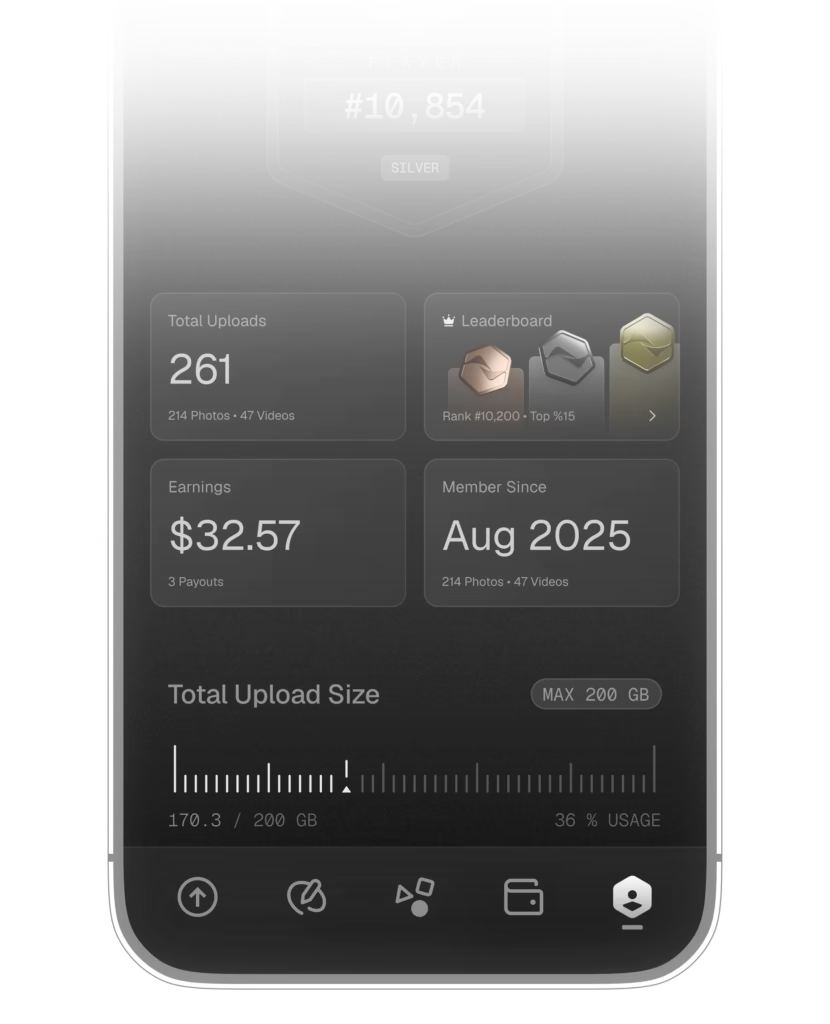
Nigeria’s Fintech Growth Meets Regulatory Reality
The exit also raises questions about regulatory oversight and enforcement. Nigerian authorities have, in recent years, taken steps to clean up the digital lending and fintech ecosystem, including delisting non-compliant apps and introducing stricter registration frameworks.
At one point, dozens of loan apps were removed for violating consumer protection rules, while many others were placed under watchlists for further scrutiny. Regulators have also warned against rogue operators and promised increased enforcement actions.
Despite these efforts, enforcement gaps remain. Many fraudulent activities occur faster than regulatory responses, leaving companies to handle risks largely on their own. This creates a difficult operating environment, especially for newer or smaller platforms without deep compliance infrastructure.
For legitimate businesses, the challenge is not just regulatory compliance but also maintaining user trust in a market where bad actors have already caused significant damage.
Kled’s departure may therefore serve as a cautionary tale for other fintech startups eyeing Nigeria. Without strong fraud detection systems, local partnerships and a deep understanding of user behaviour, even well-funded platforms can struggle to survive.
Back Story: Nigeria’s Long Battle With Loan App Abuse
The issues leading to Kled’s exit are part of a longer history of problems within Nigeria’s digital finance space, particularly in the loan app sector.
Over the years, numerous reports have exposed how some loan apps exploited users through misleading terms, excessive interest rates and privacy violations. In many cases, borrowers who defaulted were subjected to harassment, including messages sent to their contacts to shame them into repayment.
Public outrage over these practices prompted government intervention, leading to the establishment of regulatory frameworks aimed at protecting consumers. Authorities began working with global app stores to remove offending platforms and enforce compliance standards.
However, the rapid pace of technological adoption has made it difficult to fully eliminate these issues. Fraudsters continue to evolve, using new tactics to bypass controls and exploit system weaknesses.
Against this backdrop, Kled’s experience reflects a broader tension between innovation and regulation. While Nigeria offers immense opportunities for digital platforms, it also demands a high level of resilience, local insight and risk management.
As the fintech sector continues to grow, stakeholders are increasingly calling for stronger collaboration between companies, regulators and users to build a safer digital ecosystem.
For now, Kled’s exit stands as a reminder that growth without adequate safeguards can come at a significant cost.
Join Our Social Media Channels:
WhatsApp: NaijaEyes
Facebook: NaijaEyes
Twitter: NaijaEyes
Instagram: NaijaEyes
TikTok: NaijaEyes