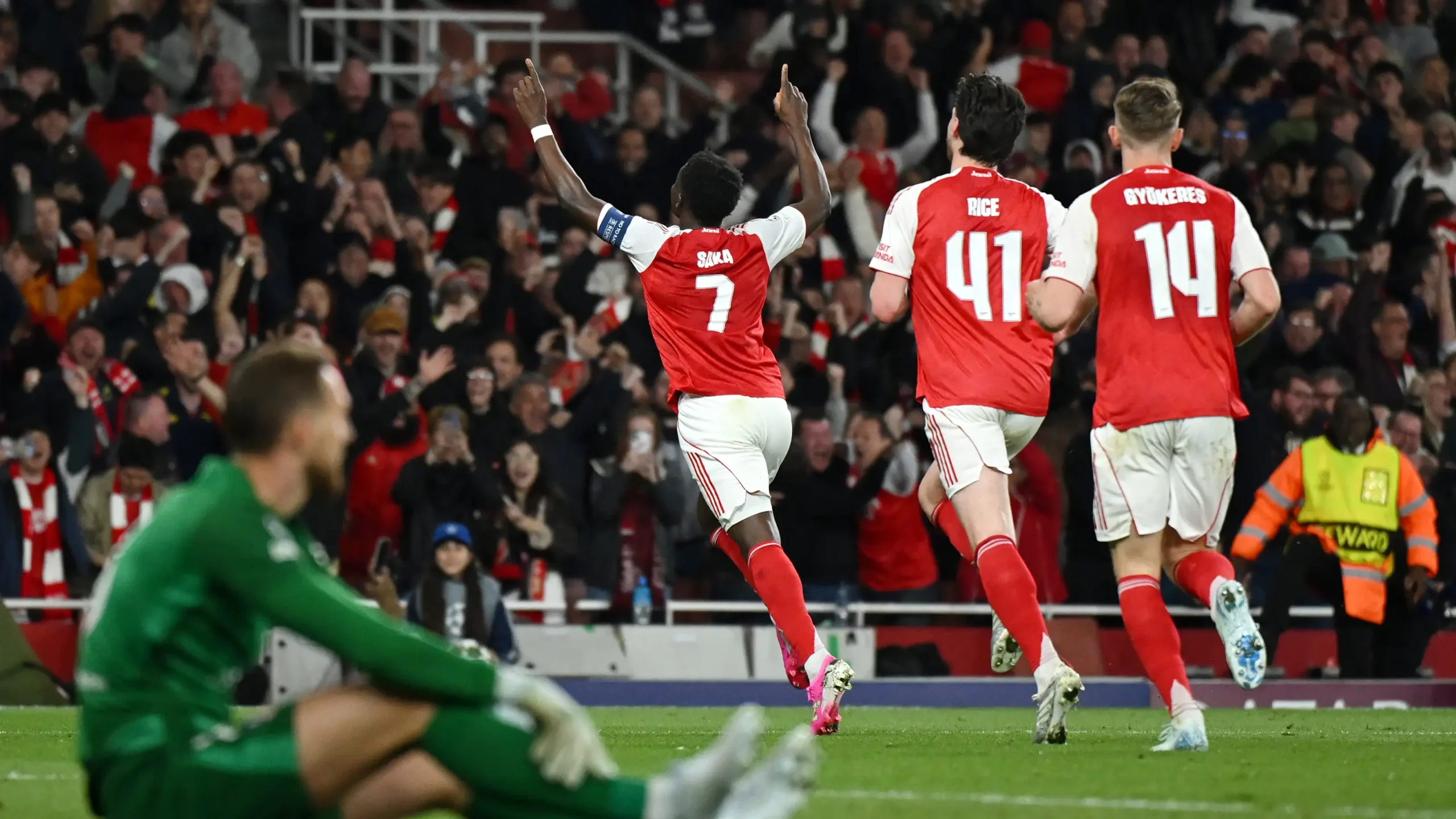

Arsenal have booked their place in the UEFA Champions League final for the first time in two decades, marking a historic milestone for the North London club and their growing young squad. The English side secured qualification after a hard-fought 1-0 victory over Atlético Madrid in the semi-final second leg, sealing a 2-1 aggregate win in front of their home fans.
The decisive moment came just before half-time when Bukayo Saka, now a central figure in the team’s leadership, converted from close range to give Arsenal the edge. That single goal proved enough to settle a tense encounter that tested both sides physically and tactically.
This result sends Arsenal into the final scheduled for May 30 in Budapest, where they will face either Bayern Munich or Paris Saint-Germain. It also represents only the second time in the club’s history that they have reached Europe’s biggest club match, underlining the significance of the achievement for players, staff and supporters alike.
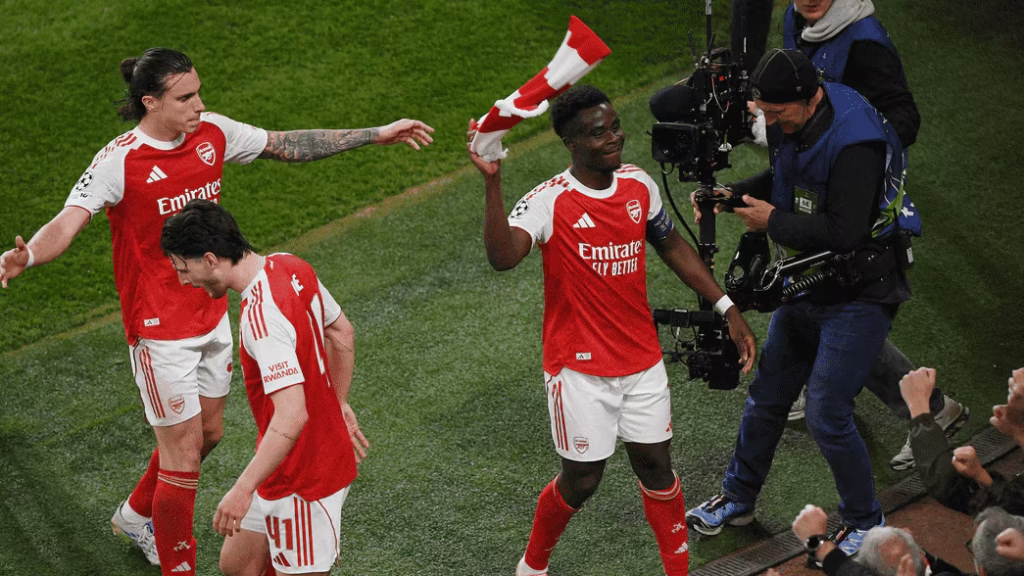
Saka Leads Arsenal’s Composed Performance
In a match defined by discipline and control, Arsenal demonstrated maturity well beyond the average age of their squad. Saka’s goal capped a composed first half in which the team managed possession effectively while limiting Atlético Madrid’s attacking threats.
Defensively, Arsenal were equally impressive, recording another clean sheet in a campaign already noted for its solidity. The back line absorbed pressure in the second half, particularly as Atlético pushed for an equaliser, but held firm with organised defending and timely interventions.
Midfield performances also stood out, with key players maintaining control in tight spaces and dictating the tempo of the game. The balance between attack and defence ensured that Arsenal rarely looked exposed, even during moments of sustained opposition pressure.
Manager Mikel Arteta has consistently emphasised growth and belief throughout the campaign, and this performance reflected a team that has matured into a serious European contender. Their unbeaten run in the competition further highlights their consistency on the continental stage this season.
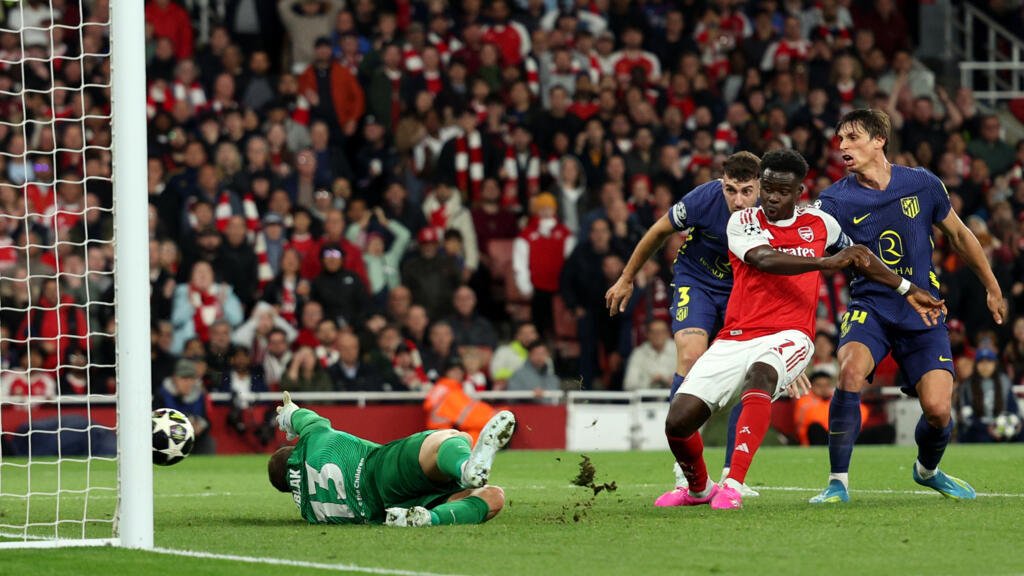
A Defining Moment for Arteta’s Project
For Arteta, reaching the Champions League final represents validation of a long-term rebuilding process that has focused on youth development, tactical discipline and mental resilience. Since taking charge, he has gradually reshaped Arsenal into a side capable of competing with Europe’s elite.
This achievement is particularly significant given the club’s absence from the latter stages of the competition for many years. The journey to the final has been marked by steady progression, with Arsenal overcoming strong opposition and demonstrating adaptability across different styles of play.
Beyond European success, Arsenal remain in contention domestically, with their league form also attracting attention. The possibility of ending a lengthy wait for a major title adds further importance to this period in the club’s history.
The players themselves have spoken about belief and unity as driving forces behind their campaign. These qualities have been evident in crucial moments, particularly in knockout matches where composure under pressure often determines outcomes.
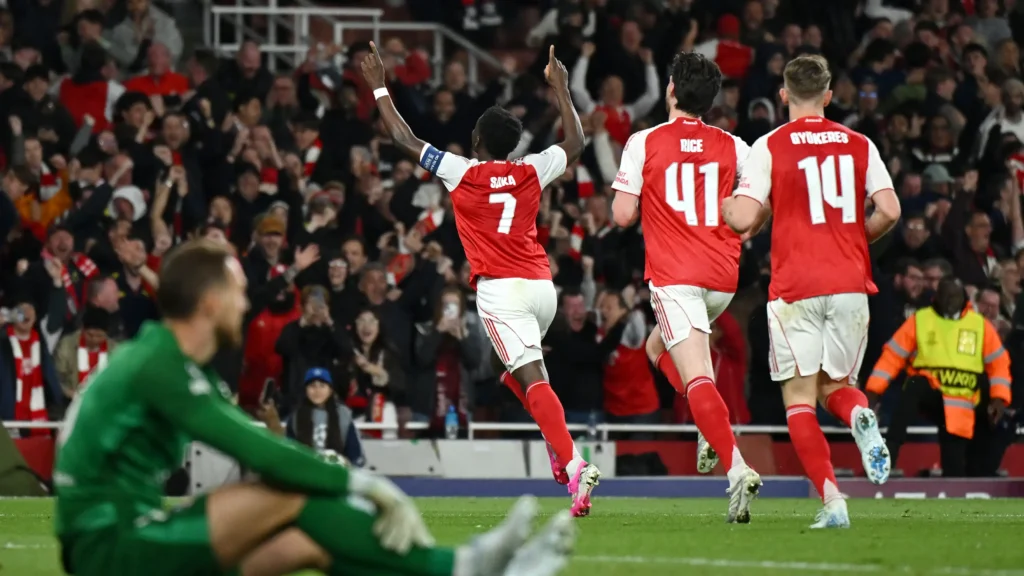
Back Story: From 2006 Heartbreak to 2026 Hope
Arsenal’s return to the Champions League final inevitably draws comparisons with their previous appearance in 2006. On that occasion, the club fell short against Barcelona, losing the final despite taking the lead during the match.
That defeat marked the beginning of a long period in which Arsenal struggled to re-establish themselves among Europe’s elite clubs. While they remained competitive domestically, consistent deep runs in the Champions League proved elusive.
Over the years, changes in management, squad composition and club strategy shaped a new direction. The appointment of Arteta signalled a shift towards rebuilding with younger players and a clearer tactical identity.
Fast forward to 2026, and the contrast is clear. The current squad combines youthful energy with growing experience, while the club’s structure appears more stable and focused. Reaching the final after 20 years is not just a sporting achievement but a reflection of long-term planning and resilience.
For supporters, this moment carries emotional weight. It represents both redemption for past disappointment and renewed hope for future success on the biggest stage in club football.
Join Our Social Media Channels:
WhatsApp: NaijaEyes
Facebook: NaijaEyes
Twitter: NaijaEyes
Instagram: NaijaEyes
TikTok: NaijaEyes