In Nigeria’s fast-growing digital economy, fintech has become the backbone of daily business. From roadside food vendors to online fashion sellers, millions of Nigerians now rely on transfers, mobile banking apps, POS terminals and USSD codes to keep their businesses running. Cashless transactions are no longer a luxury. They are now part of everyday survival.
Yet behind the convenience and speed lies a growing crisis that many small business owners understand too well. Failed fintech transactions are quietly costing Nigerians money, customers, time and trust.
For many traders, a failed transfer is not just a technical issue. It can mean losing a customer, delaying supplies, disrupting sales for hours, or struggling to recover trapped funds. Across markets, shops and online businesses, failed transactions have become one of the hidden financial burdens eating into already thin profit margins.
Nigeria remains one of Africa’s largest fintech markets, with digital payments continuing to rise rapidly. Reports from industry stakeholders show billions of electronic transactions are processed yearly through banks, fintech apps and payment platforms.
But while the sector celebrates growth, many Nigerians say the system still breaks down too often.
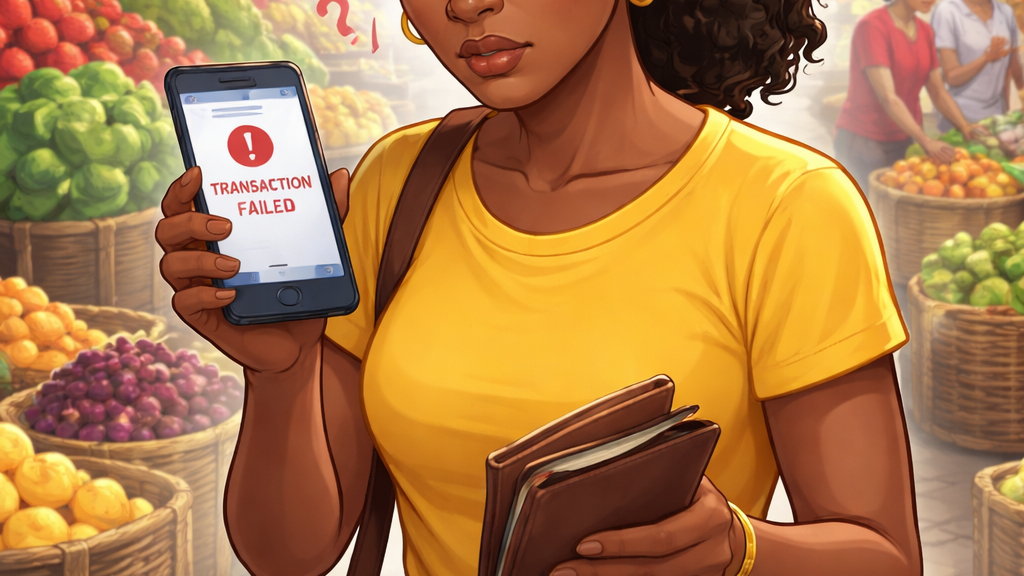
For small businesses, every failed payment carries a direct cost. A restaurant owner in Abuja may receive a debit alert from a customer, only to discover the money never arrived in the business account. A POS agent in Lagos may spend hours handling customer complaints after a transaction fails midway. An online vendor may lose a buyer completely because payment confirmation takes too long.
The frustration becomes even worse when reversals take days.
Many business owners say they now keep screenshots, transaction receipts and customer phone numbers because of how frequently disputes happen. Some even maintain handwritten records as backup in case digital systems fail.
Industry reports show that transaction failures are caused by several issues, including network instability, processing delays, banking errors, infrastructure overload and telecom disruptions.
In rural communities and smaller towns, the problem is even more severe. Poor internet connectivity and unstable mobile networks often make digital payments unreliable, especially during busy business hours.
The financial damage may appear small at first glance, but it adds up quickly.
A trader who loses just ₦500 daily due to failed transfers, duplicate debits or delayed reversals could lose over ₦180,000 in one year. For small businesses already battling inflation, fuel costs and reduced consumer spending, these losses matter.
Beyond the direct financial impact, failed transactions also damage customer confidence.
Many Nigerians now ask questions before making transfers. “Are you sure your network is working?” has become common in shops and marketplaces. Some customers insist on paying cash because they no longer trust digital payments fully.
This growing distrust threatens one of Nigeria’s biggest economic goals, which is expanding financial inclusion.
Experts have warned that repeated failed transactions and unexplained charges discourage people from embracing digital banking services. Stakeholders in Nigeria’s financial sector say affordability and reliability are critical to sustaining financial inclusion.
USSD transactions have become one of the biggest flashpoints in this conversation.
Millions of Nigerians still depend on USSD banking because it works on basic phones and does not require internet access. For many low income earners, artisans and traders, USSD remains the easiest way to transfer money or check account balances.
However, complaints over failed USSD sessions and deductions have continued to rise.
Customers have reported being charged even when transactions fail completely. Others complain that multiple deductions happen during repeated attempts to complete a payment.
The confusion over who should take responsibility has also intensified.
Telecom operators argue that they successfully provide the network connection needed for transactions, while some banking insiders insist that payment failures are often linked to network providers or system congestion.
For everyday Nigerians, however, the blame game changes nothing.
What matters to traders and customers is whether the money arrives successfully and whether failed payments are reversed quickly.
Some business owners say they now avoid certain fintech platforms entirely because of repeated bad experiences. Others maintain accounts with multiple banks and payment apps as insurance against service outages.
This coping strategy has become common among Nigerian entrepreneurs.
A fashion retailer may use one fintech app for receiving customer payments, another for supplier transfers and a traditional bank account for savings. Many businesses now spread their financial activities across different platforms to reduce the risk of complete shutdown during service failures.
But even this comes with extra stress and hidden costs.
Managing multiple accounts means more charges, more reconciliation work and greater confusion when tracking payments. Small businesses without accountants or financial software often struggle to keep accurate records.
Payment failures also have emotional consequences.
For many entrepreneurs, especially young Nigerians running side hustles or small startups, delayed transactions create anxiety and uncertainty. Business owners constantly worry about whether money has truly arrived or disappeared somewhere in the system.
This uncertainty affects customer relationships too.
Imagine a customer being debited twice for a single purchase. Even when the business owner is not responsible, the customer may still direct frustration toward the seller. In competitive markets, one bad experience can push customers away permanently.
Globally, payment experts say failed transactions create both direct and indirect losses for businesses. Beyond the immediate financial impact, they also reduce customer loyalty and increase operational stress.
In Nigeria, where trust already plays a major role in business transactions, these effects are amplified.
Some Nigerians on online forums and social platforms say the country’s push toward a cashless economy must be matched with stronger payment reliability. Others argue that digital systems are still too unstable for many communities that struggle with electricity and internet access.
Despite the challenges, fintech companies continue to expand aggressively across Nigeria.
The sector has transformed access to payments, savings, loans and digital commerce. Many Nigerians now enjoy faster banking services than what traditional banking systems offered years ago. Fintech innovation has also created jobs and opened financial opportunities for millions.
Still, experts say infrastructure investment must improve significantly if the industry wants to sustain long term growth.
System downtime, overloaded servers and transaction bottlenecks continue to expose weaknesses in the digital payment ecosystem. Analysts believe stronger collaboration between banks, fintech firms, telecom operators and regulators will be necessary to reduce transaction failures.
Consumer protection is also becoming a major issue.
Many customers complain that complaint resolution processes are slow and frustrating. Reversals can take several days, while customer care lines are often difficult to access during major service outages.
For small businesses that depend on daily cash flow, waiting several days for a reversal can disrupt operations badly.
Some traders lose the ability to restock goods. Others cannot pay suppliers on time. In severe cases, failed transactions can damage important business relationships.
Experts say improving transaction monitoring systems and strengthening payment infrastructure will help reduce these problems. Better communication during service outages could also improve customer confidence.
Artificial intelligence and smarter fraud detection systems are already being introduced globally to improve payment processing and reduce transaction risks.
But technology alone may not solve everything.
Trust remains the most valuable currency in Nigeria’s digital economy.
For fintech companies, success will increasingly depend not just on attracting new users but on providing stable and reliable services that businesses can depend on daily.
Right now, many Nigerian entrepreneurs still feel they are carrying too much of the risk themselves.
They absorb customer anger during failed transfers. They lose sales when payment systems go down. They spend valuable business hours chasing reversals and resolving disputes.
And in an economy where every naira matters, these hidden costs are becoming impossible to ignore.
Back Story
Nigeria’s fintech boom accelerated over the last decade as smartphones, internet access and digital banking expanded rapidly across the country. Fintech startups promised faster transfers, easier payments and better financial access than traditional banks.
The rise of cashless policies by the Central Bank of Nigeria also pushed more Nigerians toward digital transactions. During this period, fintech platforms became especially popular among young entrepreneurs, online vendors and small businesses.
However, as transaction volumes increased into the billions yearly, infrastructure challenges also became more visible. Reports from industry stakeholders revealed rising concerns over failed transactions, delayed reversals and hidden charges affecting ordinary Nigerians.
Today, while fintech remains one of Nigeria’s strongest technology sectors, many experts believe the next phase of growth will depend heavily on reliability, consumer protection and stronger payment infrastructure.
Join Our Social Media Channels:
WhatsApp: NaijaEyes
Facebook: NaijaEyes
Twitter: NaijaEyes
Instagram: NaijaEyes
TikTok: NaijaEyes