Home BREAKING NEWS BREAKING: BUA chairman Abdul Samad Rabiu surges to Africa’s second richest man...

BREAKING: BUA chairman Abdul Samad Rabiu surges to Africa’s second richest man as net worth skyrockets to $19.1bn in powerful wealth boost

4
0
BUA
BUA Cement Chairman, Abdul Samad Rabiu, has risen to become Africa’s second-richest individual, according to the latest Bloomberg Billionaires Index released on May 7, 2026.

Join our WhatsApp group

Data reviewed by TVC News on Thursday shows that Rabiu’s net worth surged to $19.1 billion, placing him just behind Africa’s wealthiest man, Aliko Dangote.

The new ranking also sees him surpass South African billionaire Johann Rupert, whose wealth reportedly dropped to about $17.7 billion.

Reports from BUA Business Insider indicate that Rabiu’s fortune has grown significantly this year, with an estimated increase of $8.88 billion year-to-date.

His global standing has also improved, as he now ranks 138th among the world’s richest individuals.
Rabiu’s net worth was estimated at $15.9 billion last week, showing a sharp increase driven mainly by the strong performance of his business interests.

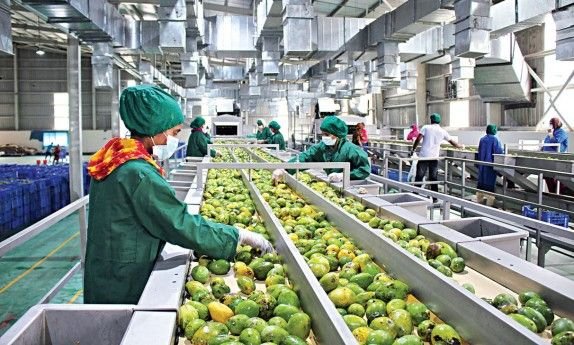
Analysts attributed the rise in Rabiu’s wealth to the strong financial results of BUA Foods, a listed subsidiary of BUA Group.

The company posted a 14% growth in profit after tax in the first quarter of 2026.

Vanguard reports indicate that BUA Foods recorded unaudited profit after tax of ₦142.32 billion in Q1 2026, up from ₦125.28 billion in the same period of 2025.

Although revenue declined by 11% to ₦394.6 billion, the company maintained strong profitability.

The performance was linked to improved cost management, better operational efficiency, moderated pricing, easing inflationary pressures, and relative stability in foreign exchange.

Rabiu, the founder and chairman of BUA Group, leads one of Nigeria’s major conglomerates with investments spanning cement, food production, and manufacturing.

Wealth growth for billionaires like Aliko Dangote and Abdul Samad Rabiu is usually tied to the performance of their large, asset-heavy businesses rather than short-term cash flow alone.

BUA

Companies such as cement, food processing, and manufacturing firms tend to benefit during periods of inflation and currency pressure because they often reprice goods to match rising production costs. So even when everyday consumers feel economic strain, the value of assets owned by these companies can still rise significantly. In addition, exchange rate movements can boost reported earnings for firms that have dollar-linked revenues or import-heavy pricing structures. Stock market performance also plays a role, since billionaire rankings are often based on share valuations rather than liquid cash.

On your second question, whether Rabiu can overtake Dangote as Africa’s richest man: it’s possible in theory, but it depends on several moving factors—especially company growth rates, new investments, debt levels, and how the market values their respective holdings over time. Dangote currently has a much larger and more diversified industrial footprint, but wealth rankings can shift if one portfolio grows faster or benefits from major expansions or listings.

So while the gap can change, it’s not something that flips quickly or easily—it’s driven by long-term business performance and market valuation shifts.

Wealth growth for billionaires like Aliko Dangote and Abdul Samad Rabiu is usually tied to the performance of their large, asset-heavy businesses rather than short-term cash flow alone.

Companies such as cement, food processing, and manufacturing firms tend to benefit during periods of inflation and currency pressure because they often reprice goods to match rising production costs. So even when everyday consumers feel economic strain, the value of assets owned by these companies can still rise significantly. In addition, exchange rate movements can boost reported earnings for firms that have dollar-linked revenues or import-heavy pricing structures. Stock market performance also plays a role, since billionaire rankings are often based on share valuations rather than liquid cash.

On your second question, whether Rabiu can overtake Dangote as Africa’s richest man: it’s possible in theory, but it depends on several moving factors—especially company growth rates, new investments, debt levels, and how the market values their respective holdings over time. Dangote currently has a much larger and more diversified industrial footprint, but wealth rankings can shift if one portfolio grows faster or benefits from major expansions or listings.

So while the gap can change, it’s not something that flips quickly or easily—it’s driven by long-term business performance and market valuation shifts.

BUA

Join our WhatsApp group
Join Our Social Media Channels:

WhatsApp: NaijaEyes