The Inflation Struggle: Why Falling Oil Prices Won’t Lower Your Grocery Bill
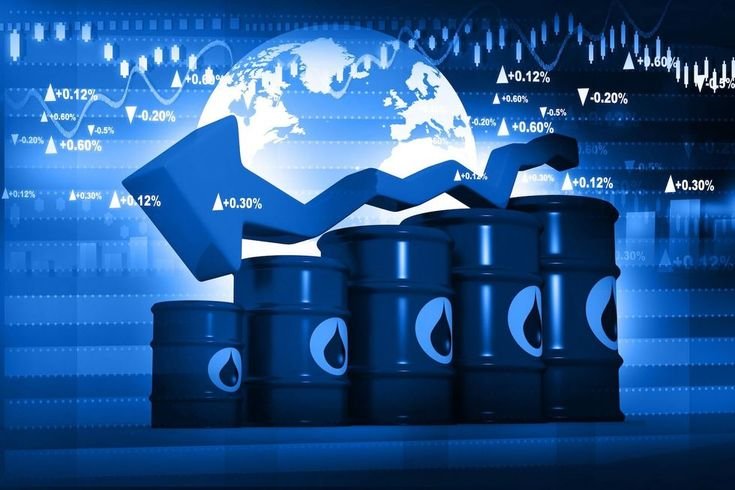
There is a common belief that when global oil prices drop, the cost of living should follow. As a major oil producer, Nigeria often expects a break at the pump and the market whenever crude prices dip. However, current economic realities are painting a much more complex picture.
Despite a recent decline in global oil benchmarks, many Nigerians are still struggling with skyrocketing costs. Experts are now weighing in, explaining why the relief we hope for might stay out of reach for a while longer.
The Disconnect Between Oil and Food
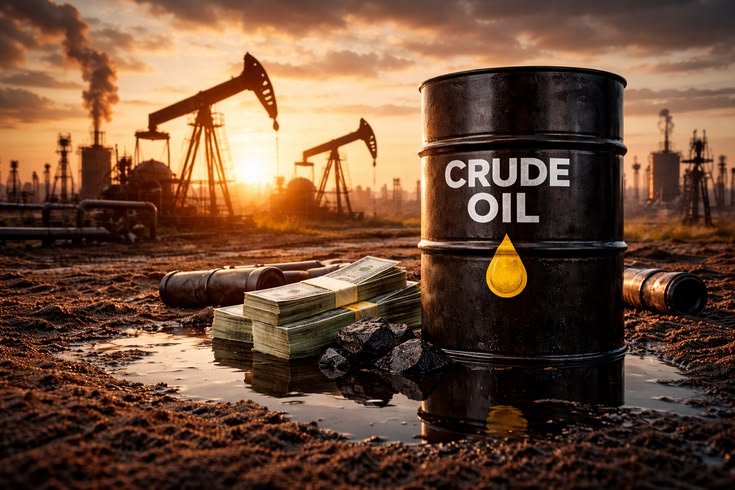
One of the biggest hurdles is the structural nature of our inflation. While oil prices affect transportation, they are not the only factor driving up the price of bread or yams.
Nigeria’s inflation is heavily driven by food costs, which are currently influenced by local security challenges and poor harvest yields. Even if fuel becomes slightly cheaper, the scarcity of farm produce keeps prices high.
Additionally, the naira’s value against the dollar plays a massive role. Most of our essential goods and raw materials are imported. When the exchange rate remains unstable, the “gain” from lower oil prices is quickly swallowed up by the high cost of bringing goods into the country. It is a frustrating cycle where global wins rarely translate to local discounts.
Infrastructure and Energy Costs
Beyond food, the cost of doing business remains a significant barrier. Most small businesses and manufacturers in Nigeria rely on diesel or petrol generators to stay powered. While global crude prices have fallen, the local landing cost of refined products hasn’t dropped enough to make a real difference. High logistics costs and inefficient supply chains also keep operational expenses at a peak.
Economists also point to the recent removal of the fuel subsidy. Without the government absorbing a portion of the cost, the market is now fully exposed to every global tremor.
We are currently in a “price discovery” phase. This means that even with lower crude costs, the internal adjustments needed to stabilize prices are still ongoing. This lag time is what keeps the average citizen feeling the pinch long after the news headlines turn positive.
A Path Toward Real Relief
So, when will things actually get easier? Experts suggest that the focus must shift away from global oil charts and toward local production. Real relief will come when we can feed ourselves and refine our own fuel consistently.
Lowering inflation requires more than just cheaper oil; it requires better roads, safer farms, and a more stable currency.
Until these structural issues are fixed, global oil trends will remain a distant noise. For the person in the market today, the focus is on survival and smart budgeting. The hope is that as domestic refineries come online, the link between our resources and our daily costs will finally start to work in our favor.
Nigeria inflation and oil prices 2026.
Join Our Social Media Channels:
WhatsApp: NaijaEyes
Facebook: NaijaEyes
Twitter: NaijaEyes
Instagram: NaijaEyes
TikTok: NaijaEyes