The Credit Crunch: Why Small Businesses Are Praying for an Interest Rate Cut
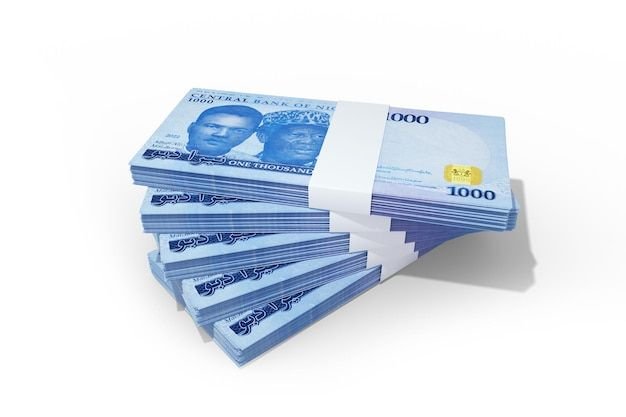
A powerful wave of public opinion is hitting the banking sector just as the Central Bank of Nigeria’s Monetary Policy Committee prepares to meet. A fresh national survey highlights that nearly two-thirds of the population—63.3% of respondents—are demanding a drop in interest rates.
For months, the apex bank has kept the financial system under tight control to fight inflation. However, the feedback from the ground is unmistakable. Every day consumers and enterprise owners have reached their limit. They are desperately asking for breathing room to keep their operations running.
The True Cost of Borrowing Money
The call for lower interest rates is not just a theoretical debate. It is a matter of survival for local entrepreneurs. Under the current high-rate framework, securing a commercial loan has become incredibly difficult. Small businesses are frequently facing borrowing rates that soar well past 25% or 30%.
When credit is this expensive, business growth stalls. Store owners cannot restock their inventories, and young companies cannot hire new staff.
Instead of cooling down the economy safely, these aggressive rates are beginning to crush local productivity. Many factory operators are forced to pass their high financing costs down to the final product. This pattern keeps the price of everyday household items painfully high.
Finding a Balance in Difficult Times
The Central Bank finds itself in an incredibly tough position this week. On one hand, policymakers want to stay aggressive until inflation is completely brought under control. High interest rates help mop up excess currency from the market and protect the external value of the Naira.
On the other hand, the committee cannot ignore the economic pain spreading through the real sector. Raising rates further could push the country into a severe business slowdown. Many local financial experts agree with the survey participants.
They argue that our inflation is caused by structural supply issues, such as poor electric grids and high fuel logistics, rather than a simple excess of cash. Tightening credit does not fix a broken road.
Bracing for the Final Policy Decision
As the monetary policy meeting gets underway, the stakes could not be higher for the private sector. A surprise interest rate cut would provide immediate relief, lowering the cost of existing debt and sparking fresh market investments. It would signal that the authorities are listening to the public’s challenges.
However, if the central bank decides to maintain its aggressive stance, companies will need to prepare for a very difficult second half of the year. Survival will require aggressive cost-cutting and avoiding any fresh commercial exposure. No matter what the final announcement brings, the survey proves that public patience with tight monetary policy has officially run out.
Bank of Nigeria interest rate cuts survey 2026
Join Our Social Media Channels: