
The Federal Government has announced a major overhaul of Nigeria’s Safe Schools Initiative, unveiling a new strategy aimed at making schools safer for millions of learners across the country.
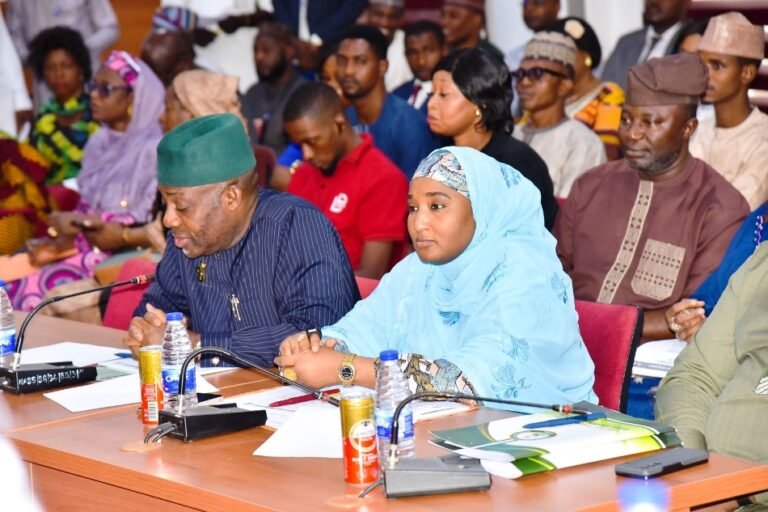
Leading the reforms is the Minister of Education, Dr Maruf Alausa, who revealed that the Federal Ministry of Education has established a dedicated Safe Schools Department to provide stronger leadership, better coordination and improved oversight of school safety programmes nationwide. The announcement came during an interactive session with the Senate Ad hoc Committee reviewing the implementation of the Safe Schools Initiative and the management of funds allocated to the programme.
The new department replaces the previous Safe Schools Unit, marking what government officials describe as a significant institutional upgrade. According to the minister, the move is designed to ensure that school safety receives the level of attention required to address today’s security realities.
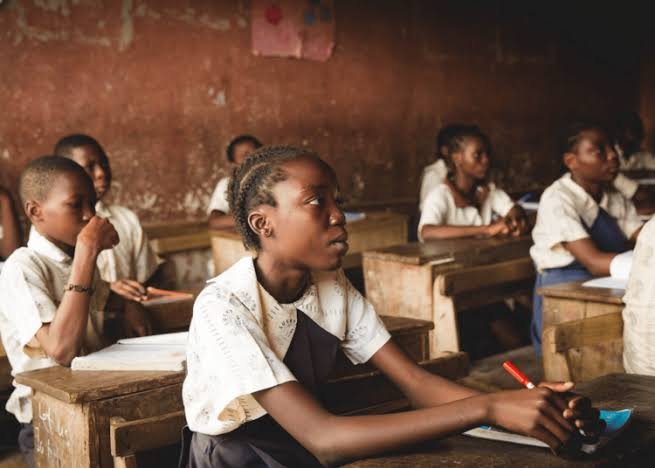
For many Nigerian parents, the issue of school safety goes beyond policy discussions. It is about the confidence that children can leave home each morning, attend classes and return safely. Over the years, repeated attacks on schools, particularly in parts of northern Nigeria, have raised concerns about the security of learning environments and the future of education in affected communities.
Alausa said the ministry will now coordinate school safety efforts through a unified national framework that covers all 774 local government areas, ensuring better implementation, monitoring and accountability across states.
Also Read: ESUT Introduces N500,000 Fine for Reckless Driving After Final Examinations
Government Plans Broader Protection Beyond School Fences
The minister explained that the renewed Safe Schools Initiative goes beyond deploying security personnel or erecting fences around schools.
Instead, the reforms introduce a comprehensive approach that combines physical infrastructure, technology and stronger collaboration among relevant agencies.
Planned interventions include perimeter fencing, solar-powered lighting, improved water and sanitation facilities, surveillance systems, trained security personnel, technology-based early warning systems and improved monitoring mechanisms. The initiative also seeks closer cooperation between the Federal Government, state governments, local communities and security agencies.
According to Alausa, school security cannot succeed through isolated efforts.
He noted that the Ministry is already working with the Office of the National Security Adviser, the Department of State Services, the Armed Forces of Nigeria, the Nigeria Police Force, the Nigeria Security and Civil Defence Corps and other agencies to implement a coordinated national strategy.
The minister stressed that while security agencies will continue carrying out their constitutional responsibilities, the Ministry of Education will focus on policy direction, coordination and ensuring that every school benefits from the programme regardless of location.
He added that the reforms reflect the Tinubu administration’s commitment to providing children from basic to tertiary education with learning environments that are safe, secure and conducive for academic success.
Back Story
Nigeria’s Safe Schools Initiative was introduced following increasing attacks on educational institutions, including mass kidnappings of students that drew international attention and disrupted learning in several states.
Since then, governments at different levels have introduced measures to improve school security, but implementation has often faced challenges relating to coordination, funding and monitoring.
During the Senate committee session, questions were also raised about funds previously allocated to the initiative, including international grants and appropriated resources.
Responding to lawmakers, Alausa clarified that many of the financial disbursements under review were made years before he became Minister of Education. He explained that the Safe Schools Financing Unit responsible for administering those funds was then under the Federal Ministry of Finance.
Despite that, he maintained that government remains committed to transparency and accountability, noting that public institutions have a responsibility to account for the management of public resources regardless of leadership changes.
Also Read: President Tinubu Marks 73rd birthday, requests divine direction on leadership
Senate Backs New Direction as Stakeholders Seek Lasting Impact
The reforms received support from members of the Senate Ad hoc Committee overseeing the Safe Schools Initiative.
Committee Chairman Senator Orji Uzor Kalu commended the minister for cooperating with the National Assembly and respecting legislative oversight.
He also described the education reforms introduced by the ministry as positive steps that could strengthen Nigeria’s education system while contributing to national development.
The committee reaffirmed its readiness to support initiatives aimed at improving the safety of schools, teachers and learners across the country.
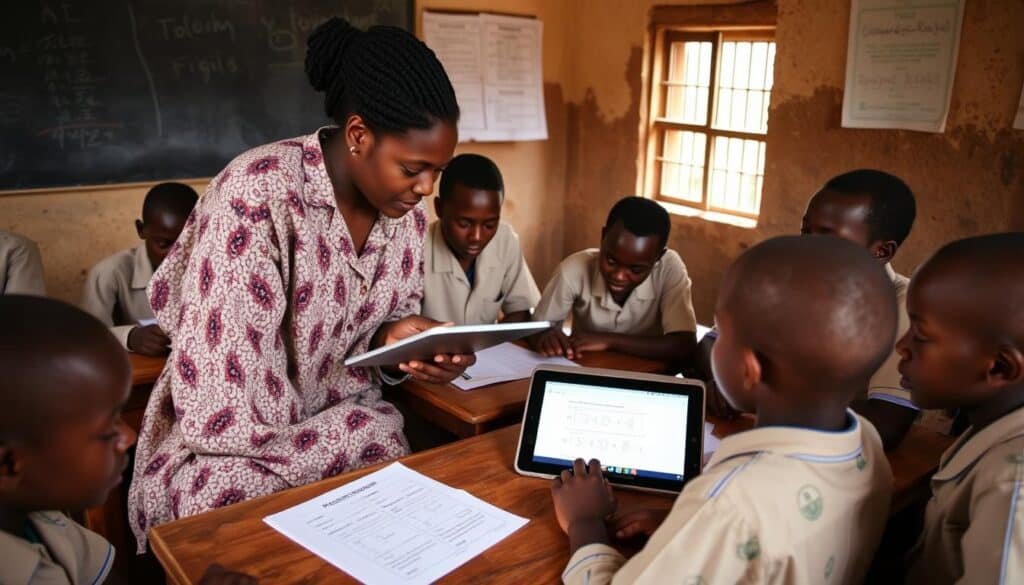
Education experts have consistently argued that improving access to quality education requires more than building classrooms. A secure learning environment remains one of the most important conditions for keeping children in school, reducing learning disruptions and restoring public confidence in the education system.
The creation of a dedicated Safe Schools Department signals a shift towards a more structured and coordinated approach. Whether the reforms ultimately achieve their goals will depend on effective implementation, sustained funding, collaboration across government agencies and continued engagement with local communities.
For millions of Nigerian students and their families, the hope is that these measures will translate into safer classrooms where learning can take place without fear.