
Artificial intelligence is no longer viewed as an optional digital skill in classrooms around the world. Instead, education leaders are increasingly treating AI readiness as a basic requirement for schools that want to prepare students for the realities of tomorrow’s workforce.
From primary and secondary schools to universities, educators are redesigning learning programmes to ensure students understand not only how to use AI tools, but also how to think critically about them. This shift reflects growing concern that graduates without AI literacy could struggle in an employment market where artificial intelligence is becoming part of everyday work.
Recent developments show that schools are moving beyond simply allowing students to use AI applications. Institutions are now introducing structured AI literacy programmes, updating teaching methods, training teachers and reviewing assessment systems to ensure students learn to use the technology responsibly and effectively. Experts say AI education should focus on ethical decision-making, creativity, problem-solving and critical thinking rather than encouraging overdependence on automated tools.
Also Read: Why Schools Should Lead AI Education Instead of Banning Technology
Schools Shift Focus from Technology Access to AI Literacy
Education systems across several countries are embracing a broader definition of AI readiness. Rather than measuring success by the availability of computers or internet access alone, schools are increasingly being evaluated on how well they integrate AI into learning while maintaining academic integrity.
Many institutions are introducing AI courses for students from different academic backgrounds, not just those studying computer science. Universities are creating introductory AI programmes that help students understand how artificial intelligence works, recognise its limitations and apply it responsibly within their chosen careers.
Some schools are also making AI literacy a graduation requirement, while others are embedding AI lessons into subjects such as English, science, social studies and the arts. The goal is to ensure that every learner develops practical knowledge of AI regardless of their future profession.
Education specialists argue that this approach reflects the reality of today’s workplace, where professionals in medicine, law, agriculture, finance, media and engineering increasingly rely on AI-powered tools.
Teachers Face Growing Demand for AI Skills
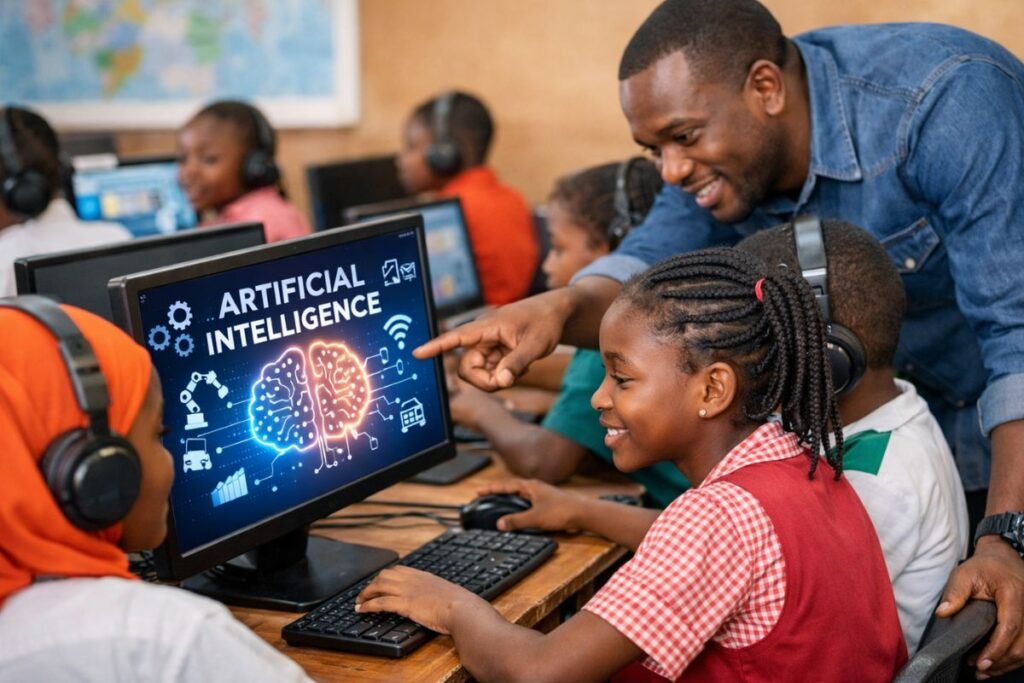
The rapid adoption of artificial intelligence is also changing expectations for teachers. Schools are investing more resources in professional development so educators can confidently integrate AI into classroom activities without replacing meaningful teaching.
Researchers note that teacher preparedness remains one of the biggest challenges facing education systems. While many educators recognise the benefits of AI, they often require additional training to understand how to use the technology safely, protect student data and prevent misuse.
Education experts believe successful AI implementation depends on clear school policies, reliable digital infrastructure and continuous support for teachers. Schools that invest in these areas are more likely to help students build practical AI skills while maintaining strong academic standards.
Rather than replacing teachers, AI is increasingly being positioned as a classroom assistant that reduces administrative workload and gives educators more time to focus on personalised instruction, mentoring and student engagement.
Back Story
The conversation around AI readiness has accelerated significantly since generative AI tools became widely available in recent years. As students adopted these technologies faster than many schools could respond, education authorities began reviewing how curricula should evolve.
Global organisations, including the World Economic Forum, have argued that AI literacy should now stand alongside reading, writing and digital literacy as a core educational competency. Their recommendations encourage schools to teach students how to evaluate AI-generated content, recognise bias, understand ethical concerns and make informed decisions when using artificial intelligence.
The growing emphasis on AI readiness also reflects predictions that millions of future jobs will require workers to collaborate effectively with AI systems. Education leaders therefore see schools as the foundation for building a workforce that can use artificial intelligence responsibly while strengthening the uniquely human skills that machines cannot replace, including creativity, empathy, communication and sound judgement.
Also Read: Why Artificial Intelligence Is Making This One of the Most Important Eras for Teachers
For countries such as Nigeria, where digital transformation continues to reshape industries, education experts believe preparing students for an AI-driven economy will require sustained investment in teacher training, curriculum reform and improved access to technology. As AI continues to evolve, schools that prioritise readiness today are expected to produce graduates who are better equipped to compete in an increasingly digital global economy.