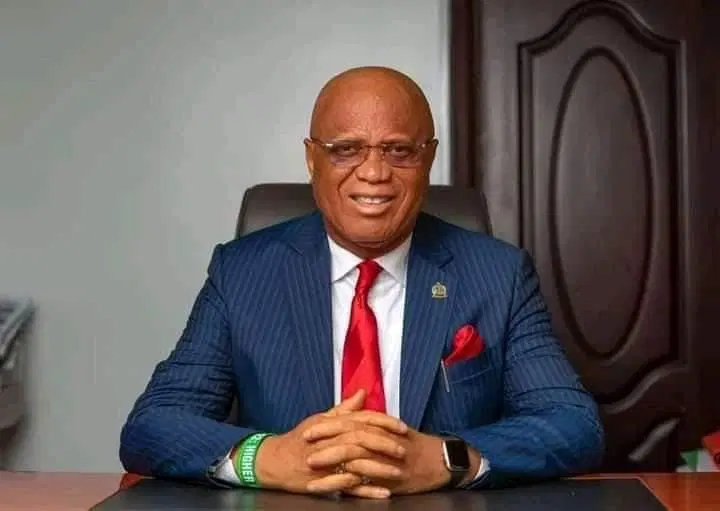

Akwa Ibom State Governor, Pastor Umo Eno, has declared a state of emergency in the education sector, announcing measures aimed at improving teaching, strengthening accountability and raising learning outcomes.
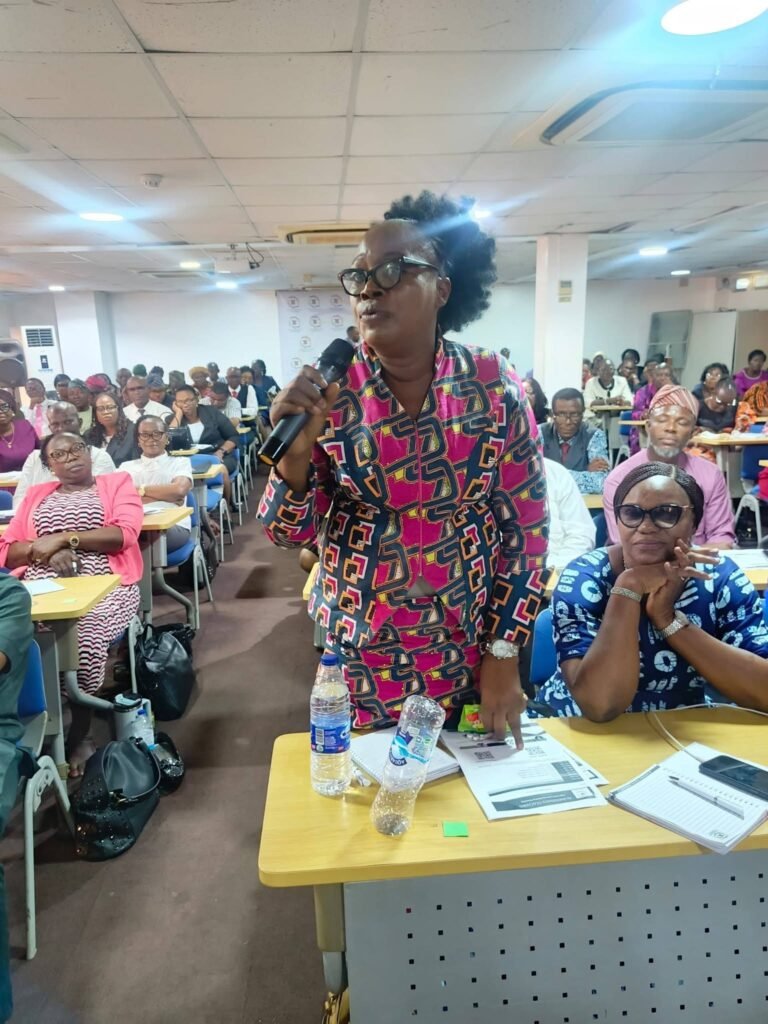
The announcement was made on Monday, October 5, 2026, during the state’s World Teachers’ Day celebration at Uyo Township Stadium. Eno said education remained central to his ARISE Agenda and directed the creation of a high powered committee to review the sector and recommend reforms. The Federal Ministry of Information and National Orientation report said the review will involve Deputy Governor Senator Akon Eyakenyi and Education Commissioner Professor Ubong Umoh.
The governor also approved the recruitment of 2,000 additional primary school teachers to strengthen manpower across the state’s 31 local government areas. This follows a recent recruitment exercise in which government increased the number of teachers approved for employment. Channels Television’s report on the recruitment said the exercise was part of wider efforts to address manpower gaps.
For serving teachers, Eno approved a N50,000 wardrobe allowance for each state employed teacher. He also approved N500,000 support for each of the 1,776 registered private schools. Voice of Nigeria’s report said the governor urged teachers to remain committed to their classrooms, pursue continuous training and accept stronger accountability.
Also Read: Nigeria’s Agriculture Education Reform Targets More Practical Training in Polytechnics
University Upgrade and Wider Education Measures
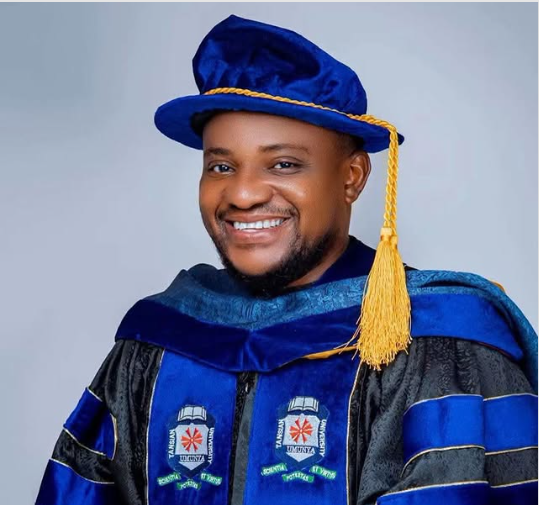
The intervention goes beyond recruitment and welfare. Eno announced the upgrade of the State College of Education, Afaha Nsit, to a University of Education and appointed Professor Philip Afaha as its pioneer Vice Chancellor.
The state is also combining investment with tighter regulation. Government said 199 primary and junior secondary schools had been rehabilitated over three years, covering classrooms, administrative buildings, fencing, water and toilets. More than 406,000 teaching and learning materials were distributed, according to Channels Television’s report on Akwa Ibom schools.
Akwa Ibom has also intensified enforcement against unapproved schools. More than 326 schools were shut for operating without approval, violating approval conditions or providing poor learning environments. Inspections reportedly found makeshift classrooms and teachers without the qualifications required for the classes they handled.
Back Story: Why Akwa Ibom Is Turning to an Education Emergency
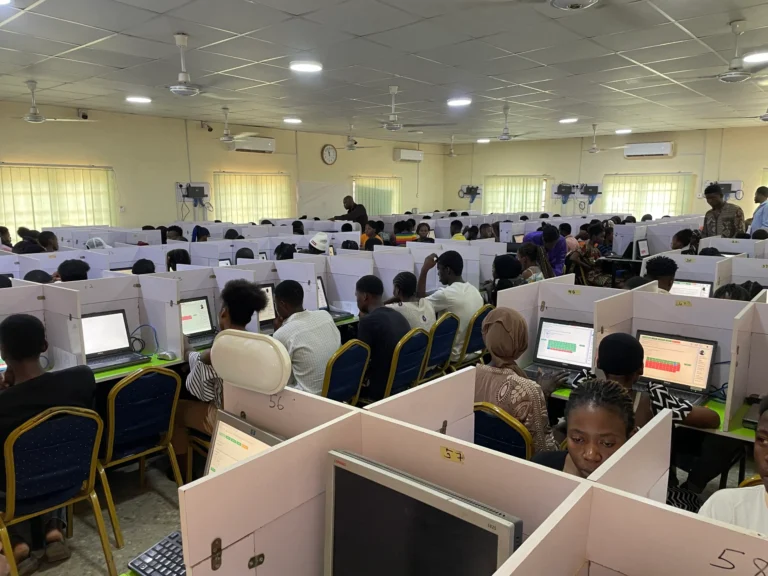
The declaration is coming at a difficult moment for the state’s education system. Data from the 2026 NECO Senior School Certificate Examination placed Akwa Ibom 36th among Nigeria’s 36 states and the Federal Capital Territory, with 37.42 per cent of candidates meeting the benchmark of at least five credits, including English Language and Mathematics.
According to Premium Times’ analysis of the 2026 NECO results, 7,754 of the 20,720 Akwa Ibom candidates who sat the examination met that benchmark. The report noted that the state ranked 12th nationally in 2025, making the latest position a significant setback.
The figures add urgency to the government’s latest move. The challenge is not only about buildings, recruitment or allowances. It is also about whether pupils and students are gaining the knowledge needed to progress.
The state education ministry says its responsibilities include policy implementation, monitoring, evaluation and quality control. Its official profile lists 1,160 public primary schools, 244 secondary schools and seven technical colleges. Akwa Ibom State Government education profile also states that the state sustains free and compulsory education.
What the New Declaration Could Mean for Schools
The success of the emergency will depend on what changes inside classrooms.
Recruiting 2,000 teachers could ease staffing pressure where personnel are stretched. The N50,000 wardrobe allowance may provide direct welfare support, while the private school grant could help approved schools meet immediate needs.
Yet staffing alone cannot fix weak learning outcomes. The emergency committee will need to examine teacher deployment, attendance, training, school leadership, learning materials, infrastructure and private school regulation. The recent closure of hundreds of unapproved schools shows that standards and enforcement remain serious concerns.
Parents will expect measurable results. With government spending on rehabilitation, teacher recruitment and tertiary teacher education, the real test will be improved teaching, stronger examination performance and safer learning environments.
For Akwa Ibom, the declaration offers a chance to bring these interventions into one coordinated education strategy. Proper implementation, accountability and regular measurement will determine whether the move becomes lasting reform or only a response to a difficult year.
Also Read: Nigeria Unity Colleges Resume as King’s College Concession Review Continues