
Nigeria is stepping up efforts to improve teaching standards by equipping teacher educators with digital skills, gender-responsive teaching methods and practical knowledge of how to create safer learning environments. The initiative targets approximately 500 teacher educators and is designed to help schools become more inclusive, secure and better prepared to meet the needs of learners across the country.
The Federal Government announced the programme during a national workshop in Abuja, where 45 master trainers from 15 colleges of education began training aimed at strengthening teacher preparation. The initiative seeks to ensure that educators can respond more effectively to the changing demands of education, particularly as technology becomes an increasingly important part of classroom learning.
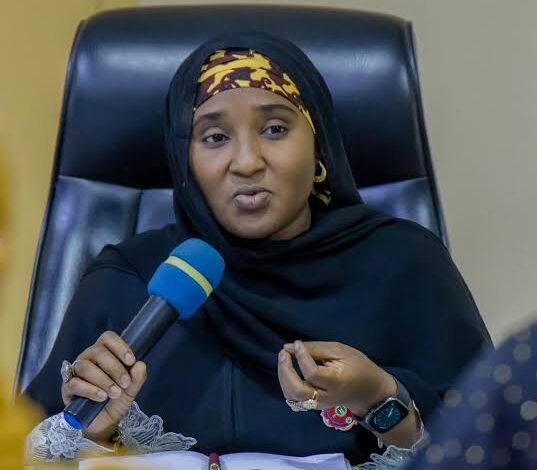
According to Voice of Nigeria’s report, Minister of State for Education Suwaiba Ahmad disclosed the programme at the National Trainers’ Workshop on Safe Learning Environment, Gender-Responsive Pedagogy and ICT Skills for Educators in Teacher Training Institutions in Nigeria.
The programme places emphasis on three important areas: school safety, teaching approaches that recognise the needs of both girls and boys, and the effective use of information and communication technology (ICT). Together, these areas are expected to strengthen the ability of teachers to create classrooms where learners can participate, access educational resources and learn without unnecessary barriers.
Also Read: Why Artificial Intelligence Is Making This One of the Most Important Eras for Teachers
Government Expands Teacher Training to Reach 500 Educators
The training follows a cascade approach, under which the 45 master trainers are expected to share the knowledge and practical skills acquired during the workshop with other teacher educators. This approach will allow the programme to reach approximately 500 educators without requiring every participant to attend the initial workshop.
Ahmad, who was represented at the event by Uchenna Uba, Director of Colleges of Education at the Federal Ministry of Education, said the initiative was intended to strengthen the capacity of educators to establish safer, more inclusive and technology-enabled learning environments.
The approach also places responsibility on teacher training institutions to ensure that the knowledge gained becomes part of their regular teaching practices. Rather than treating the workshop as a one-off event, the programme is expected to encourage the continued sharing and application of the skills within participating institutions.
A report by The Abuja Inquirer states that the initiative is supported by the Government of Japan through UNESCO. The support forms part of broader efforts to improve teacher preparation and promote quality education for girls and boys.
For Nigeria, the success of this model will depend on whether the training produces measurable changes in classroom practice. Teachers need more than theoretical knowledge. They must be able to apply digital tools, recognise risks to learners and adapt lessons to accommodate different learning needs.
Digital Skills and Inclusive Teaching Take Centre Stage
Digital competence is becoming increasingly important in education, particularly as schools explore online learning resources, digital assessment and technology-assisted teaching. However, providing access to devices and digital platforms does not automatically improve learning. Teachers must understand how to use these resources effectively and select materials that support their students’ educational needs.
Nigeria’s National EdTech Strategy identifies teacher capacity, digital infrastructure, curriculum development and inclusive learning as important elements of the country’s education technology agenda. The strategy also highlights the need to address connectivity challenges, access to devices and the needs of learners in underserved communities.
More details are available through the Federal Ministry of Education’s National EdTech Strategy Hub.
The latest teacher training initiative complements these priorities by placing ICT skills alongside practical teaching methods. This combination is important because digital learning should support understanding, participation and access to quality educational materials rather than simply introduce technology into classrooms.
Gender-responsive pedagogy is another central component. It encourages teachers to identify and address classroom practices that may disadvantage learners because of their gender. In practice, this can involve providing equal opportunities to participate, challenging harmful assumptions and ensuring that teaching materials and classroom interactions support both girls and boys.
When these approaches are implemented effectively, teachers can create learning environments in which students feel respected and have a fair opportunity to succeed. The challenge will be to make these practices consistent across schools with different resources, staffing levels and local circumstances.
School Safety Remains Essential to Quality Education
The programme also highlights the importance of protecting learners from violence, abuse and other threats that can disrupt education. A school cannot deliver its full educational value when students feel unsafe or teachers lack the knowledge to identify and respond to risks.
Nigeria’s Federal Ministry of Education has developed resources to guide schools in improving safety practices, preparing for emergencies and responding to child protection concerns. These include the Minimum Standards for Safe Schools and guidance on school safeguarding and referral procedures.
Such measures are important because school safety involves more than physical buildings and security arrangements. It also includes respectful relationships, appropriate responses to reports of abuse, supportive classroom environments and clear procedures for protecting vulnerable learners.
By integrating safety training with digital competence and inclusive teaching, the government is seeking to address several factors that influence educational participation and learning. Nevertheless, the impact will depend on how well participating institutions translate the training into everyday practice and whether teachers receive continued support after the workshop.
Back Story: Nigeria’s Wider Drive to Improve Learning
The teacher training programme comes amid wider efforts to improve educational access and learning outcomes across Nigeria. In July 2026, the Federal Government announced the HOPE-EDU programme, a $552 million education initiative backed by the World Bank and the Global Partnership for Education. The programme is intended to strengthen the education system and improve learning outcomes for millions of children.
According to Reuters, HOPE-EDU is expected to benefit about 29 million children, more than 500,000 teachers, 65,000 public schools and 10,000 non-formal learning centres.
The scale of these efforts reflects the importance of improving not only access to education but also the quality of teaching and the conditions under which learning takes place.
The latest initiative offers an opportunity to strengthen teacher preparation by bringing school safety, gender responsiveness and digital skills into the same training framework. Its long-term value, however, will be measured by what happens after the trainers return to their institutions.
If the knowledge reaches teachers across participating colleges and informs their daily work, the programme could contribute to classrooms that are safer, more inclusive and better equipped for modern learning. Sustained implementation, monitoring and support will be essential to turning that objective into meaningful improvements for Nigerian learners.
Also Read: Why Schools Should Lead AI Education Instead of Banning Technology