Nigeria’s growing digital economy received a fresh boost as Credit Direct and vivo formalised a financing partnership designed to make smartphones more accessible to millions of Nigerians. According to TechCabal, the agreement, signed in Lagos on April 17, 2026, introduces a structured instalment plan that allows consumers to spread the cost of owning a smartphone over time, addressing one of the biggest barriers to digital inclusion in the country.
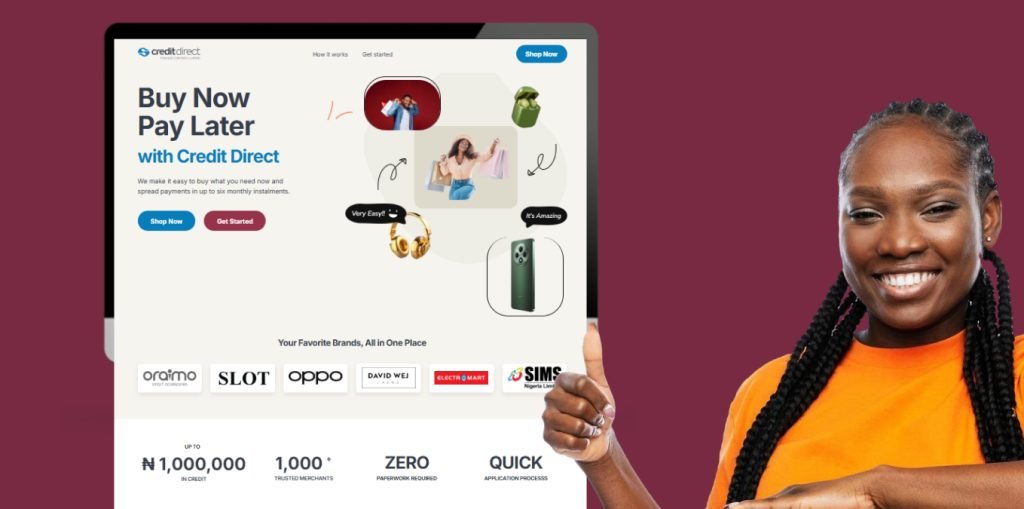
Credit Direct vivo financing deal targets the affordability gap
At the centre of the partnership is a simple but powerful proposition: Nigerians can now acquire a vivo smartphone by paying just 20 percent upfront, with the remaining balance paid in instalments over six months. Credit Direct will provide the financing infrastructure, while vivo supplies devices through its established retail network.
This approach directly tackles a long-standing challenge in Nigeria’s consumer technology market. For many Nigerians, the difficulty has never been a lack of interest in smartphones, but the inability to afford the full purchase price at once. By reducing the initial financial burden, the new model effectively lowers the entry barrier to smartphone ownership.
Executives from both companies emphasised that the collaboration is not just about selling devices but about expanding access. Credit Direct’s leadership highlighted its long-standing mission to serve individuals who are excluded from traditional credit systems, while vivo expressed confidence in the fintech firm’s experience in consumer financing.
The structure of the deal reflects a broader shift in how technology is consumed in Nigeria. Instead of one-time purchases, consumers are increasingly embracing flexible payment systems that align with their monthly income patterns.
How the partnership could expand Nigeria’s digital inclusion
Nigeria already has an estimated 120 million smartphone users, yet millions remain offline, largely due to cost constraints. The Credit Direct vivo financing deal aims to bridge this gap by making devices more financially accessible without placing excessive pressure on household income.
Access to smartphones is no longer just about communication. It is closely tied to economic participation, education, financial services, and access to information. From mobile banking to digital learning platforms, smartphones serve as the primary gateway to the modern digital ecosystem.
By enabling more Nigerians to own smartphones, the partnership could accelerate adoption across multiple sectors. Small business owners can leverage mobile tools for payments and marketing, students can access online learning resources, and individuals can participate more fully in Nigeria’s rapidly evolving digital economy.
The companies also plan to leverage vivo’s network of over 600 retail outlets across 25 states, ensuring that the financing option is not limited to major cities but reaches a wider population. This nationwide reach is critical in a country where access to technology often varies significantly between urban and rural areas.
Embedded finance and the rise of pay later models in Nigeria
The Credit Direct vivo financing deal is part of a larger trend reshaping Nigeria’s financial and retail landscape. Embedded finance, where financial services are integrated directly into everyday transactions, is gaining momentum across the country.
Buy now pay later models are increasingly being used to bridge the affordability gap for essential goods, including smartphones. Rather than relying on traditional bank loans, consumers can access credit at the point of purchase, often with faster approvals and fewer requirements.
This model is particularly relevant in Nigeria, where a significant portion of the population remains underserved by conventional financial institutions. By embedding credit into the purchasing process, companies like Credit Direct are creating new pathways for financial inclusion.
Earlier initiatives have already demonstrated the potential of this approach. Flexible financing options for devices have shown that when payment structures align with income realities, adoption rates improve significantly. The latest partnership builds on this momentum by scaling the model through a major smartphone brand and a well-established fintech provider.
At the same time, industry observers note that responsible lending practices will be crucial to sustaining trust in the system. Transparent terms, manageable repayment schedules, and consumer education will play a key role in ensuring that access to credit leads to empowerment rather than financial strain.
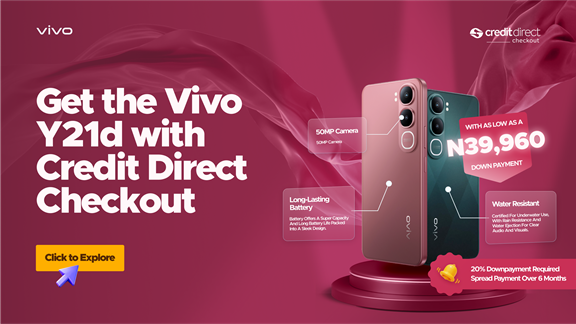
Market outlook and what this means for consumers
The first year of the partnership is expected to target the sale of over 200,000 devices, signalling strong confidence in market demand. If successful, the initiative could serve as a blueprint for similar collaborations between fintech companies and consumer electronics brands in Nigeria and across Africa.
For consumers, the immediate benefit is clear. Instead of postponing a smartphone purchase or settling for lower quality alternatives, individuals now have the option to access newer devices while spreading the cost over time. This can improve productivity, connectivity, and overall quality of life.
For the broader ecosystem, the implications are equally significant. Increased smartphone penetration can drive higher internet usage, boost digital services, and create new opportunities for startups and businesses operating in Nigeria’s tech space.
The partnership also reinforces the growing role of fintech in everyday life. What was once limited to loans and banking services is now expanding into retail, commerce, and lifestyle, reshaping how Nigerians interact with both money and technology.
As Nigeria continues to position itself as one of Africa’s leading digital economies, initiatives like the Credit Direct vivo financing deal highlight the importance of innovation that is both practical and inclusive. By addressing affordability head-on, the collaboration offers a glimpse into a future where access to technology is no longer a privilege but a standard.
Join Our Social Media Channels:
WhatsApp: NaijaEyes
Facebook: NaijaEyes
Twitter: NaijaEyes
Instagram: NaijaEyes
TikTok: NaijaEyes